

Starting small helps you build habits one step at a time, making change manageable and less overwhelming. Focus on tiny, specific actions—like reading five minutes daily—and gradually increase them over time. Linking new habits to existing routines, or using accountability partners, keeps you consistent and motivated. When you break big goals into small steps, progress feels natural and sustainable. Keep going, and you’ll discover simple strategies to turn these small efforts into lasting change.

Get beauty and skincare favorites delivered free — and shop member deals
- Fast, free delivery on millions of items
- Access to Prime Big Deal Days deals on October 6–7
- Prime Video, Amazon Music and more included
Key Takeaways
- Begin with tiny, manageable actions to prevent overwhelm and promote consistency.
- Use habit stacking by attaching new routines to existing habits for seamless integration.
- Find accountability partners to stay motivated and committed through regular check-ins.
- Focus on maintaining small, consistent steps to build momentum over time.
- Reinforce new behaviors gradually, celebrating progress to embed habits into daily life.
Have you ever wondered why some habits stick while others fade away? The secret often lies in how you approach building them. Instead of trying to overhaul your entire routine overnight, starting small makes a huge difference. One effective strategy is habit stacking—linking a new habit to an existing one. For example, if you already brush your teeth every morning, you can add a minute of stretching afterward. This way, the new habit becomes a natural extension of something you already do regularly, increasing the likelihood that you’ll stick with it. Habit stacking creates a seamless connection in your daily routine, making change feel less overwhelming and more achievable. Consistency and clear intentions are also crucial elements in establishing lasting habits.
But simply stacking habits isn’t enough. You also need accountability. Partnering with an accountability partner can provide the motivation and support you need to follow through. When you tell someone about your goals, it creates a sense of responsibility—you’re more likely to stay committed because you don’t want to let them down. An accountability partner can be a friend, family member, or coworker who shares similar goals or simply wants to see you succeed. Regular check-ins, whether through texts, calls, or in-person meetings, keep you honest and focused. They remind you of your intentions and help you navigate obstacles. Plus, sharing progress with someone else makes the journey more engaging and less lonely.
Starting small with habit stacking and enlisting accountability partners helps you build momentum without feeling overwhelmed. Instead of aiming for drastic change, you focus on tiny, manageable steps. Over time, these small steps compound into significant progress. For example, if you want to read more, start with just five minutes a day—then gradually increase. Pairing this with habit stacking, like reading right after your morning coffee, creates a routine that’s easy to maintain. Having an accountability partner check in on your progress reinforces your commitment, making it easier to stay consistent. They can celebrate your wins and help you troubleshoot setbacks, turning your goals into shared endeavors rather than solitary struggles. Additionally, understanding the importance of behavior reinforcement can significantly enhance your chances of success.
As an affiliate, we earn on qualifying purchases.
Frequently Asked Questions
How Long Does It Typically Take to Form a New Habit?
Habit formation varies, but on average, it takes about 66 days for behavior change to become automatic. You might find some habits easier or harder, depending on your consistency and motivation. To speed up the process, focus on daily repetition and stay patient. Remember, persistence is key, and over time, your new habits will become a natural part of your routine, making behavior change more sustainable.
Can Small Habits Really Lead to Significant Long-Term Change?
They say, “Little strokes fell great oaks,” and small habits can indeed lead to big changes over time. By habit stacking and using environmental cues, you reinforce routines effortlessly. These tiny actions build momentum, gradually transforming your life. Consistency is key—what seems insignificant today compounds into lasting progress. Keep at it, and you’ll see that small habits are powerful tools for long-term success.
What if I Miss a Day or Slip Up?
If you miss a day or slip up, don’t get discouraged. Talk to your accountability partners to stay motivated and keep yourself accountable. Use reward systems to celebrate small wins and reinforce positive habits. Remember, setbacks are normal—what matters is getting back on track. Focus on consistency over perfection, and you’ll find that one missed day doesn’t derail your progress but rather helps you learn and grow.
How Do I Stay Motivated During Slow Progress?
To stay motivated during slow progress, celebrate small wins and milestones regularly. Use celebration strategies like rewarding yourself or sharing achievements with accountability partners who encourage you. Remember, setbacks are normal, so don’t be too hard on yourself. Keep focusing on your long-term goal, and lean on your accountability partners for support. Their encouragement can boost your motivation, helping you stay committed even when progress feels slow.
Are There Habits That Are Easier to Build Than Others?
Yes, some habits are easier to build than others. Habits with low complexity and high ease of adoption, like drinking a glass of water each morning or stretching for a few minutes, are simpler to establish. You’ll find it easier to stay consistent when the habit requires minimal effort and doesn’t disrupt your routine. Focus on these straightforward habits first; they build confidence and momentum for tackling more complex ones later.
As an affiliate, we earn on qualifying purchases.
Conclusion
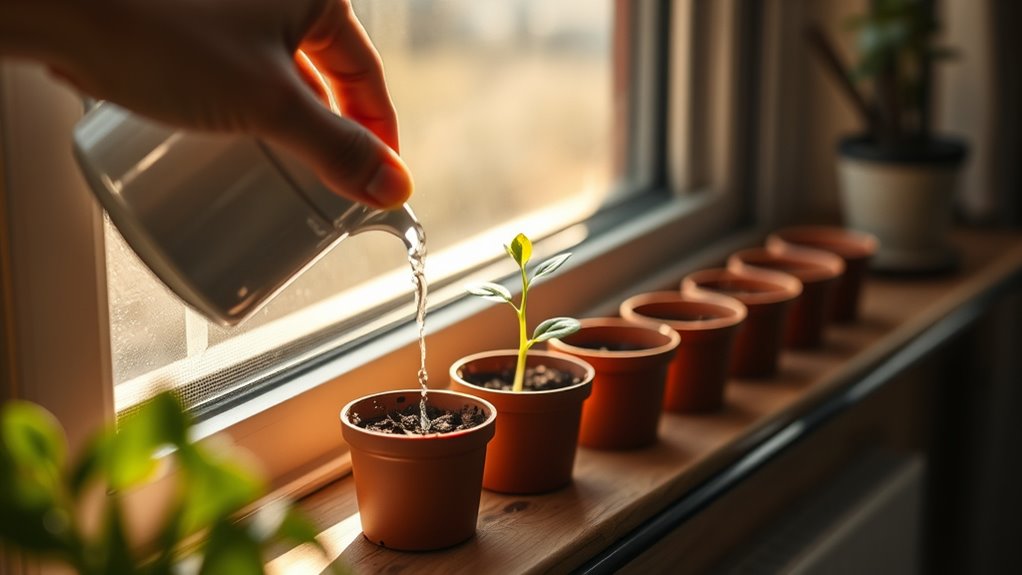
Remember, building habits is like planting a tiny seed—you won’t see a tree overnight, but with patience and consistency, it’ll grow strong. Each small step you take is a drop of water nourishing your future success. Don’t rush the process; trust that steady progress will turn your efforts into a thriving garden of habits. Keep going, and soon, those tiny actions will blossom into the habits you’ve always wanted.
As an affiliate, we earn on qualifying purchases.
As an affiliate, we earn on qualifying purchases.
Fall Picks
fall essentials
As an affiliate, we earn on qualifying purchases.