

Getting enough quality sleep is essential for weight loss because it helps regulate hunger hormones like ghrelin and leptin, reducing cravings and overeating. Sleep also boosts your metabolism and improves insulin sensitivity, making it easier to burn calories effectively. Poor sleep disrupts these hormones and can lead to fat storage and increased appetite. Prioritizing good sleep habits sets a strong foundation for your weight loss journey—continue to discover how sleep habits make all the difference.
Key Takeaways
- Adequate sleep regulates hunger hormones like ghrelin and leptin, reducing cravings and overeating.
- Good sleep improves metabolic rate, increasing calorie burn and supporting weight loss efforts.
- Sleep deprivation disrupts insulin sensitivity, impairing blood sugar control and promoting fat storage.
- Consistent, restful sleep helps maintain hormonal balance essential for appetite regulation.
- Quality sleep enhances energy levels and motivation for physical activity, aiding weight management.

Getting enough sleep is essential for effective weight loss because it directly influences your body’s ability to regulate hunger and metabolism. When you’re well-rested, your sleep hygiene is optimal, creating a foundation for better health and weight management. Good sleep hygiene involves establishing a consistent sleep schedule, creating a calming bedtime routine, and making your sleep environment comfortable and free of distractions. By prioritizing these habits, you help your body fall asleep faster and stay asleep longer, which is crucial for hormonal regulation that impacts your weight.
Prioritize good sleep hygiene to support hormonal balance and effective weight loss.
Hormonal regulation plays a significant role in controlling appetite and energy expenditure. When you don’t get enough sleep, your body produces more ghrelin, the hormone that stimulates hunger, and less leptin, the hormone responsible for signaling fullness. This imbalance makes you feel hungrier and less satisfied after meals, often leading to overeating. Additionally, sleep deprivation affects insulin sensitivity, making your body less efficient at managing blood sugar levels, which can promote fat storage. Without proper sleep hygiene, your body’s hormonal signals become disrupted, increasing the likelihood of cravings and poor food choices.
Furthermore, inadequate sleep hampers your metabolism, reducing the number of calories your body burns at rest. When you’re sleep-deprived, your body’s energy regulation system gets thrown off, causing you to conserve energy rather than burn it efficiently. This shift not only makes weight loss more difficult but also encourages fat accumulation. Maintaining good sleep hygiene helps keep your hormones balanced, supporting a healthy metabolic rate and preventing the hormonal fluctuations that sabotage weight loss efforts.
You might notice that after a night of poor sleep, you’re more likely to reach for high-calorie comfort foods. This isn’t just a coincidence—it’s a direct result of hormonal miscommunication caused by sleep deprivation. Prioritizing sleep hygiene can mitigate these effects by promoting better sleep quality, which in turn supports hormonal regulation. Consistent, restful sleep helps keep hunger hormones in check, curbing unnecessary cravings and reducing your overall calorie intake.
In short, sleep hygiene isn’t just about feeling rested; it’s an essential tool for weight loss. Proper sleep ensures your hormones stay balanced, your metabolism functions at its best, and your appetite remains under control. When you improve your sleep habits, you empower your body to regulate hunger more effectively, making your weight loss journey smoother and more sustainable. So, invest time in creating a sleep-friendly environment and sticking to a routine—your body will thank you with better health and easier weight management.
A good night’s sleep also supports lifestyle choices that promote long-term health and well-being.
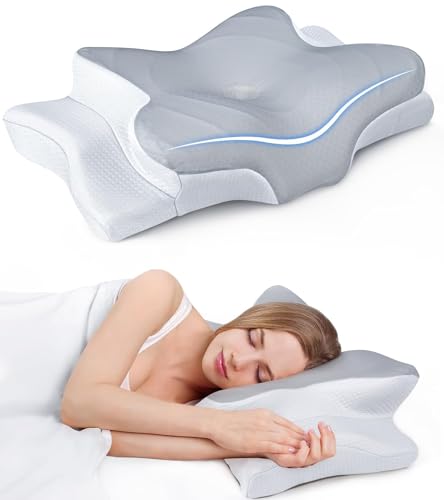
Ultra Pain Relief Cooling Pillow for Neck Support, Adjustable Cervical Pillow Cozy Sleeping, Odorless Ergonomic Contour Memory Foam Pillows, Orthopedic Bed Pillow for Side Back Stomach Sleeper
REVOLUTIONIZE YOUR SLEEP WITH THE INNOVATIVE HOLLOW CONCAVE DESIGN – Tired of waking up with neck pain and…
As an affiliate, we earn on qualifying purchases.
As an affiliate, we earn on qualifying purchases.
Frequently Asked Questions
Can Napping During the Day Affect Weight Loss?
Napping during the day can affect your weight loss efforts, but it depends on how you do it. Short naps offer benefits like improved mood and alertness, which can support your goals. However, excessive napping may disrupt your sleep consistency, making it harder to stick to a routine. To maximize benefits, keep naps brief and maintain a regular sleep schedule, helping you stay on track with your weight loss journey.
How Does Sleep Quality Influence Appetite Hormones?
Sleep quality directly affects your hormonal regulation, which plays a crucial role in appetite control. When you don’t get enough restful sleep, your body produces more ghrelin, the hunger hormone, and less leptin, the satiety hormone. This imbalance makes you feel hungrier and less satisfied after eating. Improving your sleep quality helps stabilize these hormones, supporting better appetite control and making it easier to maintain your weight loss goals.
Does Sleep Deprivation Lead to Muscle Gain or Loss?
Sleep deprivation leads to muscle loss because it disrupts hormonal balance and hampers muscle recovery. When you don’t get enough rest, your body produces more cortisol, a stress hormone that breaks down muscle tissue. Additionally, poor sleep impairs the release of growth hormone, essential for muscle repair. To maintain muscle mass, prioritize quality sleep, allowing your body to recover, rebuild, and stay hormonally balanced.
Can Sleep Patterns Impact Metabolism Rate?
Imagine your sleep cycles as a finely tuned engine; when they’re disrupted, your metabolic rate slows down unexpectedly. You might notice feeling sluggish or hungrier during the day. Sleep patterns directly impact your body’s ability to burn calories efficiently. Consistent, quality sleep helps regulate your metabolic rate, ensuring your body processes nutrients properly and maintains energy levels. Ignoring your sleep habits can inadvertently sabotage your weight management efforts.
Are There Specific Sleep Routines That Optimize Weight Loss?
Yes, establishing a sleep routine can optimize weight loss. Focus on good sleep hygiene by creating a relaxing pre-sleep routine and avoiding screens before bed. Maintain bedtime consistency by going to bed and waking up at the same time every day, even on weekends. This regular schedule helps regulate your internal clock, improves sleep quality, and supports your weight loss efforts by keeping your metabolism balanced and reducing cravings.

Magicteam Sound White Noise Machine with 20 Non Looping Natural Soothing Sounds and Memory Function 32 Levels of Volume Powered by AC or USB and Sleep Sound Timer Therapy for Baby Kids Adults
❤20 Non-Looping Sleep Sounds: White noise ,Brown noise, pink noise, blue noise, fan,brook, rain, ocean,bird and Bonfire,suitable for…
As an affiliate, we earn on qualifying purchases.
As an affiliate, we earn on qualifying purchases.
Conclusion
Getting enough sleep isn’t just a good idea—it’s your secret weapon in weight loss. When you sleep well, your body works like a finely tuned machine, burning fat and curbing cravings with superhero efficiency. Skimp on sleep, and you risk sabotaging your efforts faster than you can say “stalled progress.” So, prioritize shut-eye like your health depends on it—because, honestly, it might just be the most powerful tool you have to reach your goals.

MZOO Luxury Sleep Eye Mask for Side Sleeper Men Women, Zero Eye Pressure 3D Sleeping Mask, Light Blocking Patented Design Night Blindfold, Soft Eye Shade Cover for Travel, Black
Zero Eye Pressure: The Deepest 13mm arc-shaped widened eye cups provide makeup-safe space and allow natural blinking
As an affiliate, we earn on qualifying purchases.
As an affiliate, we earn on qualifying purchases.

Sleep Essential Oil Blend for Diffuser – Dream Essential Oils for Diffusers Aromatherapy and Relaxation with Clary Sage Ylang-Ylang Roman Chamomile and Lavender for Sleep Time Support (1 Fl Oz)
Aromatherapy Oils for Diffuser – Try our dream aromatherapy diffuser oils blend with lavender oil chamomile oil clary…
As an affiliate, we earn on qualifying purchases.
As an affiliate, we earn on qualifying purchases.