

Your repeated songs may be pointing to deeper emotional needs or unresolved conflicts within you. They serve as emotional anchors, revealing subconscious desires, hopes, or struggles you might not be fully aware of. These melodies can reflect how you’re processing feelings like longing, resilience, or sadness. Paying attention to these patterns helps you understand your inner world better. Keep exploring, and you’ll uncover even more about what your favorite tunes are really trying to tell you.
Key Takeaways
- Repeated songs often reflect your current emotional needs or unresolved feelings, offering insight into your inner state.
- The lyrics and themes may reveal subconscious desires, hopes, or struggles you’re processing.
- Listening patterns can indicate areas of resilience, longing, or emotional comfort you seek.
- Repeating certain songs can serve as emotional anchors, helping you navigate difficult or meaningful moments.
- Recognizing these patterns encourages mindful listening and promotes emotional awareness and growth.
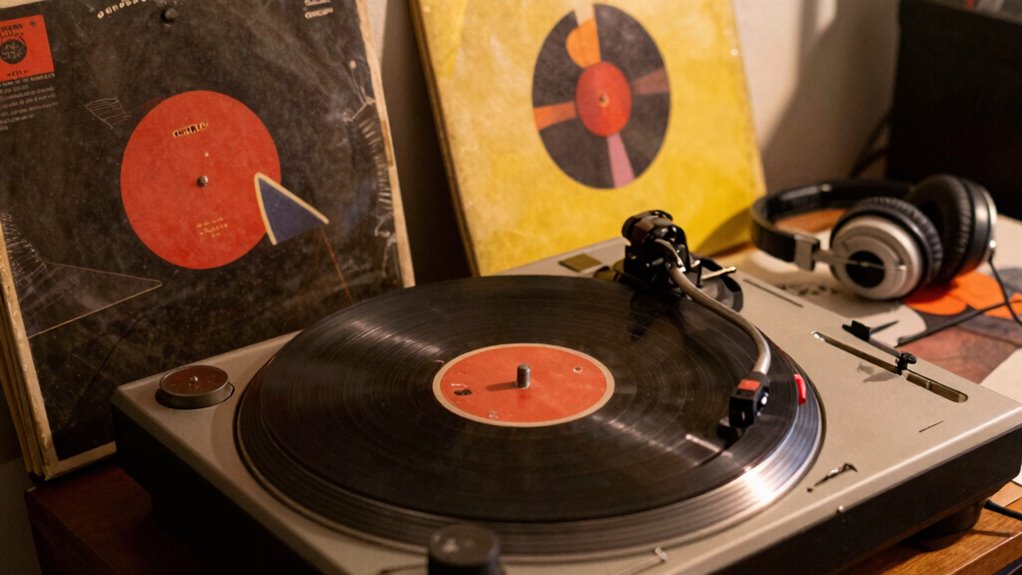
Have you ever found yourself humming the same song on repeat, wondering why it resonates so deeply? It’s a common experience, and it often hints at something more personal than just catchy melodies. When you notice yourself playing a tune over and over, it’s worth exploring what your mind might be trying to tell you through the lens of music psychology. This field studies how music impacts emotions and behavior, revealing that the songs you choose repeatedly often symbolize something significant in your life. Song symbolism allows you to interpret what particular lyrics, melodies, or themes might be reflecting about your current state or subconscious desires.
Your repeated songs might serve as emotional anchors or reminders of important moments, feelings, or goals. For example, a song that keeps playing in your head could symbolize a longing for comfort or stability, especially if it’s associated with a happy memory. Alternatively, it might express unresolved feelings or internal conflicts you haven’t fully acknowledged. Music psychology suggests that your brain naturally gravitates toward certain songs because they evoke specific emotional responses—whether joy, nostalgia, or even sadness—that you’re seeking to process or understand better. Music psychology helps explain why certain melodies resonate more deeply with you than others.
Repeated songs act as emotional anchors, revealing hidden feelings, memories, or unspoken internal conflicts.
The lyrics and symbolism within the song can further reveal what’s going on beneath the surface. You might be drawn to a song that speaks to your current struggles, hopes, or needs, even if you aren’t consciously aware of it. For example, if you find yourself repeatedly listening to a song about overcoming adversity, it could be your subconscious way of motivating yourself or reinforcing resilience during trying times. Similarly, a song about loss or longing might reflect feelings you haven’t fully expressed or accepted. By examining the song’s themes, you can gain insight into your emotional landscape and maybe even identify what areas of your life require attention or healing. Recognizing the emotional significance of these songs can help you develop a more mindful relationship with your music choices.
In addition, the melodies and rhythms of your favorite repeat songs can influence your mood and mental state. Upbeat tunes might energize you, while slower, more contemplative pieces could help you process deep emotions. Recognizing this connection helps you understand why certain songs become your go-to during specific moments. Ultimately, your repeated listening patterns aren’t random—they’re a window into your inner world, guided by the interpretive power of song symbolism and supported by music psychology. Paying attention to these patterns allows you to better understand your emotional needs and develop a deeper connection with your own feelings and experiences.
music therapy emotional healing
As an affiliate, we earn on qualifying purchases.
As an affiliate, we earn on qualifying purchases.
Frequently Asked Questions
Can Song Repetition Indicate Emotional Attachment or Obsession?
Yes, song repetition can indicate emotional attachment or obsessive tendencies. When you repeatedly listen to a song, it might reflect a desire for musical nostalgia or comfort during tough times. However, excessive repetition could also signal an obsession, as you cling to certain feelings or memories. Pay attention to why you keep playing that song—if it’s about emotional healing, it’s healthy; if it’s compulsive, it might be worth exploring underlying issues.
Do Certain Genres Favor Repetitive Song Patterns More Than Others?
Do certain genres favor repetitive song patterns more than others? Absolutely. Genre influence shapes pattern preference; for example, pop and dance music often embrace repetition to create catchy hooks and danceability. Conversely, genres like classical or jazz favor intricate, varied compositions. Repetition helps genres build familiarity and emotional resonance, making it easier for listeners to connect or dance along. So, your favorite repeating songs might reflect the genre’s natural style.
How Does Repetitive Listening Affect Memory and Mood?
Repetitive listening can boost your memory and mood by reinforcing neural pathways, making songs easier to recall and emotionally resonate. This technique is often used in music therapy to promote cognitive reinforcement, helping you process feelings and memories more effectively. As you replay your favorite tunes, you may experience improved mood stability and enhanced recall, creating a positive feedback loop that supports mental well-being and strengthens your emotional connections to the music.
Are There Cultural Differences in Interpreting Repeated Songs?
Your ears might be worlds apart in their interpretation of repeated songs. Cultural symbolism and musical traditions shape how you perceive these tunes, turning the same melody into a sacred ritual or a rebellious cry. In some cultures, repetition signifies respect and continuity, while in others, it sparks joy or nostalgia. Your cultural background influences whether you see a song as a comforting chant or an energetic celebration, making each listening experience uniquely meaningful.
Can Repeating a Song Signal Unresolved Personal Issues?
Repeating a song can signal unresolved personal issues or triggers. You might find yourself drawn to a specific tune because it subconsciously reflects your emotions or unresolved conflicts. These personal triggers act as subconscious signals, urging you to confront feelings you haven’t fully processed. Listening repeatedly helps your mind process these emotions, offering insight and a chance to address underlying issues that might otherwise stay hidden.
guided meditation with calming music
As an affiliate, we earn on qualifying purchases.
As an affiliate, we earn on qualifying purchases.
Conclusion
So, stepping back, your repeated songs might be signaling something significant. They could be sparking your soul, stirring your stories, or shining a spotlight on your feelings. Don’t dismiss these melodies as mere moments of boredom — instead, decipher their messages and dive deeper into your desires. Remember, your playlist is a personal mirror, mirroring your moods and motivations. Embrace these echoing tunes, and let them lead you to a more meaningful, mindful melody of self-discovery.
music psychology books
As an affiliate, we earn on qualifying purchases.
As an affiliate, we earn on qualifying purchases.
personalized playlist for emotional resilience
As an affiliate, we earn on qualifying purchases.
As an affiliate, we earn on qualifying purchases.