

To keep your wellness goals on track, use action-based incentives that reward your efforts rather than just outcomes. Make tasks fun with challenges, points, or badges, which provide immediate feedback and boost motivation. Personalize rewards to stay engaged and recognize small wins to build momentum. These strategies turn routine activities into enjoyable progress markers, helping you sustain commitment through consistent action. Keep going, and you’ll uncover even more ways to stay motivated on your journey.
Key Takeaways
- Use immediate, clear rewards for specific actions like drinking water or exercising to reinforce positive behaviors.
- Incorporate gamification elements such as points, badges, or levels to make routine tasks engaging and motivating.
- Focus on tracking actions and progress through visual markers to provide instant feedback and a sense of achievement.
- Personalize incentives to align with individual preferences, increasing their meaningfulness and motivation.
- Recognize every effort to sustain motivation, emphasizing the importance of consistent actions over just end results.
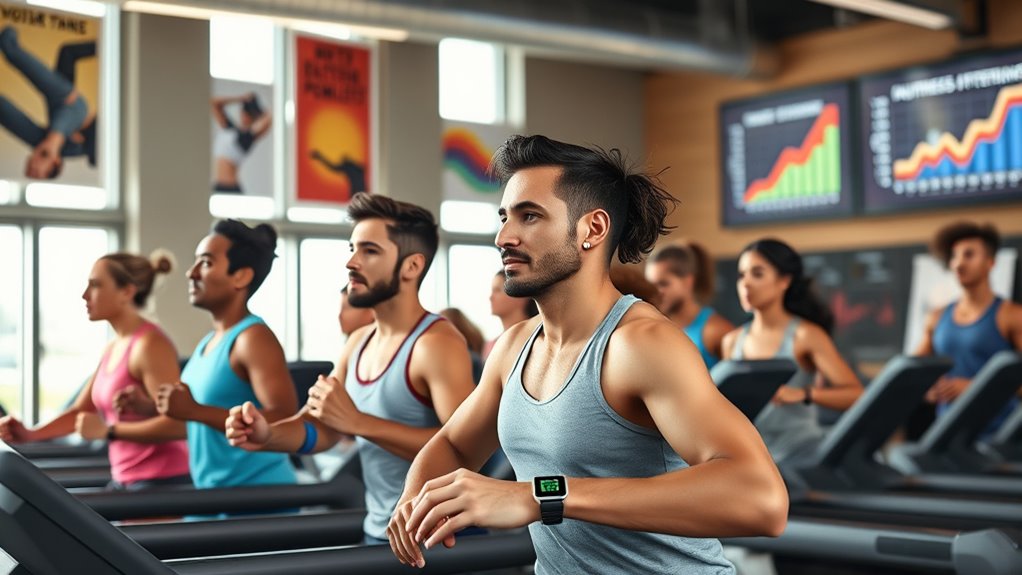
Action-based incentives motivate people to achieve specific goals by rewarding behaviors rather than outcomes alone. When you’re working toward wellness goals, focusing on actions helps keep you engaged and motivated, especially when the results take time to materialize. Incorporating gamification strategies into your approach can make these actions more enjoyable and compelling. By turning routine tasks into game-like challenges, you create a system that encourages consistent effort. For example, earning points for daily steps or logging healthy meals transforms mundane activities into rewarding experiences. These strategies tap into your natural desire for achievement and recognition, making it easier to stay committed over the long haul.
Reward actions, not just outcomes, to stay motivated and engaged in your wellness journey through gamification and meaningful incentives.
Designing an effective reward system is key to maintaining motivation. You want your reward system design to be clear, immediate, and aligned with your personal goals. When you set specific behaviors as targets—such as drinking enough water each day or completing a workout—you create tangible milestones. As you hit these milestones, small rewards can reinforce the habit and boost your confidence. It’s important that these rewards are meaningful to you, whether that’s a relaxing break, a new workout outfit, or a favorite healthy treat. This personalization makes the incentives more effective and enjoyable.
One of the most powerful aspects of action-based incentives is their ability to foster a sense of control and progress. You’re not just waiting for a distant outcome like weight loss or improved fitness; instead, you see immediate results from your actions. This instant feedback loop keeps you motivated and prevents discouragement from slow progress. Gamification strategies can also introduce levels or badges that symbolize your achievements, giving you visual markers of your journey. These markers serve as constant reminders of your efforts, reinforcing your commitment to ongoing action.
Furthermore, a thoughtfully designed reward system encourages consistency. When you know that every small effort counts and will be recognized, you’re more likely to stick with your wellness routine. Integrating gamification strategies into your daily habits transforms potentially dull tasks into engaging challenges. It shifts your mindset from focusing solely on end results to valuing the process itself. Over time, this shift can lead to sustainable habits, better adherence, and a stronger sense of accomplishment. By deliberately designing your reward system around specific actions, you harness motivation in a way that keeps your wellness journey lively, structured, and ultimately successful.

ZMODE Level Up Challenge: 12-Week Off-Season Sports Journal for Kids: Mindset Training, Workouts, Puzzles, Badges & Reward System (Ages 5-15)
As an affiliate, we earn on qualifying purchases.
As an affiliate, we earn on qualifying purchases.
Frequently Asked Questions
How Do Action-Based Incentives Compare to Traditional Reward Systems?
Action-based incentives often outperform traditional reward systems by leveraging gamification strategies that boost intrinsic motivation. You’re more likely to stay engaged because these incentives focus on immediate actions, making your progress feel tangible and rewarding. Unlike traditional rewards, which may lose appeal over time, action-based incentives keep you motivated through continuous, meaningful engagement, helping you maintain wellness goals more effectively and sustainably.
Can These Incentives Be Customized for Different Employee Demographics?
Did you know 78% of employees respond better to personalized wellness programs? You can easily customize action-based incentives for different employee demographics through personalization strategies and demographic tailoring. By adjusting rewards and challenges to match varying interests, age groups, or cultural backgrounds, you boost engagement. This targeted approach makes wellness initiatives more effective, encouraging consistent participation and helping everyone stay motivated to reach their wellness goals.
What Are Potential Downsides of Implementing Action-Based Incentives?
You might face motivational drawbacks if employees feel pressured or overwhelmed by action-based incentives, which can reduce intrinsic motivation. Additionally, unintended consequences may arise, such as employees gaming the system or neglecting other important wellness aspects. These incentives could foster competition rather than collaboration, or lead to burnout if the goals are unrealistic. It’s essential to carefully design and monitor these programs to minimize negative effects and maintain engagement.
How Do Companies Measure the Long-Term Effectiveness of These Incentives?
You measure the long-term effectiveness of action-based incentives by tracking employee engagement over time and analyzing incentive metrics like participation rates, goal achievement, and sustained behavior changes. You’ll want to compare these metrics across periods to see if wellness behaviors persist. Regular surveys and feedback can also reveal whether employees find the incentives motivating, ensuring that the program continues to support lasting health improvements.
Are There Specific Industries Where Action-Based Incentives Work Best?
As the saying goes, “timing is everything,” and action-based incentives work best in industries like healthcare and corporate wellness. If you’re in a sector with fitness programs or healthcare plans, these incentives motivate employees to stay engaged and hit wellness milestones. You’ll see higher participation and better health outcomes because employees respond well to immediate rewards tied to their health actions, making these incentives particularly effective in these fields.

AGTPEK Kids Fitness Tracker Watch with Parent-Child Task & Reward System, Ultra-Lightweight Activity Tracker with Calorie Step Counter, Heart Rate & Sleep Monitor for Boys Girls 6-12 (Black)
MOTIVATE KIDS WITH TASKS & REWARDS: The kids fitness tracker turns exercise, learning and chores into a fun…
As an affiliate, we earn on qualifying purchases.
As an affiliate, we earn on qualifying purchases.
Conclusion
By focusing on action-based incentives, you stay motivated and committed to your wellness goals. Research shows that people who set specific, actionable rewards are 50% more likely to stick with their routines. So, next time you’re tempted to skip a workout or indulge, remember that rewarding yourself for taking steps forward keeps you on track. Keep moving, stay consistent, and watch your healthy habits become second nature.

Digital Health and the Gamification of Life: How Apps Can Promote a Positive Medicalization
As an affiliate, we earn on qualifying purchases.
As an affiliate, we earn on qualifying purchases.
personalized workout reward system
As an affiliate, we earn on qualifying purchases.
As an affiliate, we earn on qualifying purchases.