
TL;DR

Get beauty and skincare favorites delivered free with Prime
- Fast, free delivery on millions of items
- Prime Video, Amazon Music and more included
- Member-only deals all year
A group of mothers involved in beauty schools are caught in a dispute over accreditation standards amid the Trump administration’s review of education policies. The decision could impact the future of vocational training programs and their students.
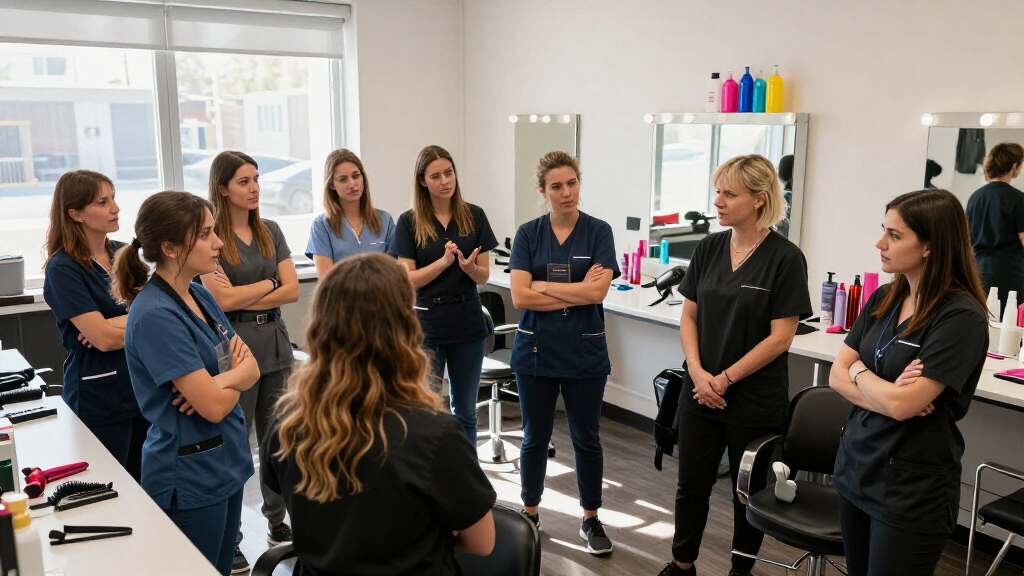
The Trump administration is currently reviewing proposed changes to accreditation standards for vocational schools, including beauty schools, which has placed some mothers involved in these institutions in a difficult position. These mothers, many of whom are active in their local beauty school communities, are now facing potential consequences depending on the final policy outcome. The decision could significantly alter the landscape of vocational education and impact the livelihoods of those involved.
Sources confirm that the Department of Education is considering modifications to accreditation criteria for career and technical education institutions, with a focus on stricter oversight and compliance measures. These proposed changes come amid broader efforts by the administration to tighten regulation of vocational schools, aiming to prevent fraud and ensure quality standards.
Among those affected are mothers who work at or have invested in beauty schools, often balancing family responsibilities with their careers in cosmetology education. Some of these women have expressed concern that the new standards could lead to closures or loss of accreditation, jeopardizing their businesses and the educational opportunities for their students. The debate has sparked protests from advocacy groups representing vocational educators and students, who argue that the proposed policies could disproportionately harm small, community-based schools.
Officials from the Department of Education have stated that the review aims to protect students and taxpayers by ensuring that vocational programs meet rigorous quality benchmarks. However, details about the specific changes under consideration remain incomplete, and the final decision has not yet been announced.
Implications for Vocational Education and Families
This development matters because the outcome could reshape the standards and funding landscape for vocational schools nationwide. Stricter accreditation requirements might lead to closures of small, local beauty schools, affecting thousands of students and their families, especially those who rely on these programs for affordable career training. For the mothers involved, the stakes are personal: their livelihoods and community roles could be at risk if their schools lose accreditation or are forced to shut down.
Moreover, the policy shift could influence the broader debate over vocational education regulation, balancing consumer protection with access to affordable training. The decision could also set a precedent for how the federal government oversees similar institutions in the future, impacting the diversity and availability of vocational programs across the country.
Products Worth Considering

Oral-B iO Series 5 Rechargeable Electric Toothbrush with 3 Brush Heads and Travel Case, Black

Philips Sonicare 5950 Rechargeable Electric Toothbrush with 2 Brush Heads, Pink

Hyperice Hypervolt 3 Pro Percussion Massage Gun with Heated Head and Carry Case
As an affiliate, we earn on qualifying purchases.
Background on Accreditation and Policy Changes
Historically, vocational schools, including beauty colleges, have operated under federal and state accreditation standards designed to certify quality and protect students from fraud. In recent years, there has been increased scrutiny over the sector, fueled by reports of misrepresentation and subpar training at some institutions. The Trump administration has signaled a desire to tighten oversight, emphasizing accountability and transparency in vocational education.
In 2022, the Department of Education proposed new regulations aimed at strengthening accreditation processes, which included stricter criteria for program quality and financial stability. These proposals faced opposition from industry groups and educators, who warned that overly burdensome standards could lead to closures of small schools vital to local economies. The current review appears to be a continuation of this regulatory effort, with the administration weighing whether to implement these or similar standards more broadly.
During this period, several beauty schools and vocational programs have already experienced accreditation challenges, prompting concerns about the potential for widespread closures if new policies are enacted without adequate safeguards.
Unclear Details of the Proposed Accreditation Changes
It is not yet clear what specific standards or criteria the Department of Education is considering. Details of the final policy proposal remain unpublished, and it is uncertain how these changes will be implemented or how many schools might be affected. The timeline for a final decision has not been officially announced, leaving the scope and impact of the potential policy shifts uncertain.
Next Steps in the Accreditation Policy Review Process
The Department of Education is expected to release a draft of the proposed standards for public comment within the next few weeks. Stakeholders, including vocational educators, advocacy groups, and affected individuals, will likely submit feedback. A final decision on the policy could be announced by mid-2024, with implementation possibly beginning shortly thereafter. The affected communities are closely monitoring these developments for any signs of policy change or impact.
Key Questions
What are the main concerns about the new accreditation standards?
Stakeholders worry that stricter standards could lead to the closure of small beauty schools, reducing access to affordable vocational training and impacting local economies. There are also concerns about whether the standards will be fair and achievable for smaller institutions.
How might these changes affect students and their families?
If schools lose accreditation or shut down, students could face disruptions in their education, potential loss of tuition paid, and limited options for affordable training in their communities.
Are there any legal challenges expected against the policy changes?
It is too early to tell, but advocacy groups and affected schools may consider legal action if they believe the standards are unfair or violate existing regulations. Public comment periods will be critical in shaping the final policy.
When will the final decision be announced?
The Department of Education has not set an official date, but a decision is anticipated by mid-2024, with implementation potentially following soon after.
What role do mothers involved in beauty schools play in this controversy?
Many of these women are staff or owners of small beauty schools, and their livelihoods depend on accreditation status. They are actively voicing concerns about potential closures and the broader impact on their communities.
Source: rss