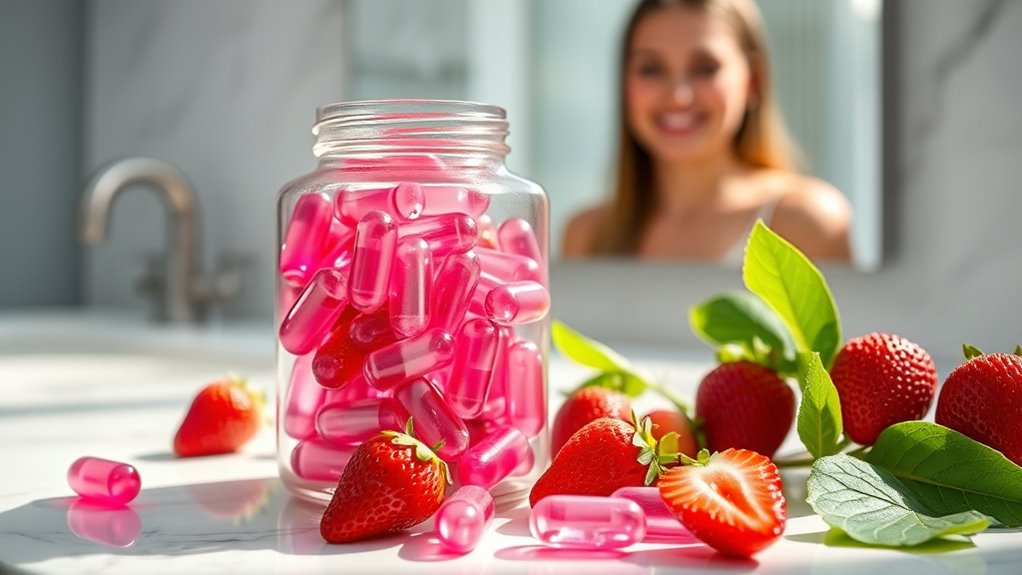

Collagen supplements can improve your skin’s elasticity, reduce wrinkles, and support joint health, but their effectiveness varies based on quality, dosage, and your individual response. While some small peptides in supplements are better absorbed, they aren’t a miracle cure and work best when combined with a healthy lifestyle. If you want to understand how to maximize their benefits and what to contemplate, keep exploring what research reveals.
Key Takeaways
- Collagen supplements may improve skin elasticity, reduce wrinkles, and support joint health with consistent use.
- Effectiveness varies based on supplement quality, dosage, and individual biological response.
- Hydrolyzed collagen peptides are better absorbed, potentially leading to more noticeable benefits.
- Dietary sources support natural collagen production, but digestion may limit direct collagen absorption.
- Lifestyle habits like sun protection, hydration, and avoiding smoking enhance collagen’s positive effects.

Collagen supplements have become increasingly popular as a way to support skin, joint, and overall health. Many people turn to these supplements to improve their appearance and feel more confident, but understanding their true effectiveness requires a closer look. One of the main reasons people choose collagen supplements is for their cosmetic benefits. Collagen is an essential protein that provides structure and elasticity to your skin, helping to reduce the appearance of wrinkles and fine lines. As you age, your natural collagen production declines, leading to sagging skin and loss of firmness. Taking supplements can potentially replenish collagen levels, promoting a more youthful complexion. However, it’s important to remember that collagen isn’t a miracle cure; its effectiveness depends on various factors like dosage, quality, and individual biology.
Collagen supplements may enhance skin and joint health, but their effectiveness depends on dosage, quality, and individual factors.
While many opt for collagen supplements, you can also boost your collagen levels through dietary sources. Foods rich in collagen include bone broth, chicken skin, fish skin, and gelatin desserts. Incorporating these into your diet can be a natural way to support your body’s collagen production. Additionally, consuming foods high in vitamin C, zinc, and copper helps your body produce collagen more efficiently. Fruits like oranges, strawberries, and kiwis are excellent sources of vitamin C, which is essential for collagen synthesis. By combining collagen-rich foods with a balanced diet, you can enhance your skin’s health without relying solely on supplements.
However, dietary sources come with their own limitations. While eating collagen-rich foods provides nutrients and amino acids necessary for collagen production, the collagen molecules themselves are often broken down during digestion, making it less certain how much directly benefits your skin or joints. Supplements, on the other hand, typically contain hydrolyzed collagen, which is broken down into smaller peptides, potentially more easily absorbed by your body. This absorption could translate into more noticeable cosmetic benefits over time, especially if you’re consistent with your intake. Additionally, SeaWorld Operating Hours and other entertainment schedules highlight the importance of timing and routine, similar to how maintaining a consistent supplement routine can influence results.
Ultimately, whether you choose dietary sources or supplements, supporting your collagen levels requires a complete approach. Protecting your skin from sun damage, staying hydrated, and avoiding smoking can all help preserve your collagen. While supplements may offer a convenient and targeted way to enhance your appearance, they work best when combined with healthy lifestyle habits and a nutrient-rich diet. Remember, the key is consistency and understanding that collagen’s benefits are part of a broader picture of skin and joint health.

ForestLeaf Multi Collagen Pills with Hyaluronic Acid + Vitamin C | Hydrolyzed Collagen Supplements for Women or Men | Multi Collagen Capsules Peptides for Skin, Wrinkles, 120 Caps
HYDRATE HAIR, SKIN & NAILS – Collagen is the main protein that gives our skin elasticity. Our unique…
As an affiliate, we earn on qualifying purchases.
As an affiliate, we earn on qualifying purchases.
Frequently Asked Questions
Are Collagen Supplements Safe for Everyone?
Collagen supplements are generally safe for most people, but you should consider allergy concerns and follow dosage guidelines. If you’re allergic to certain ingredients, check labels carefully. It’s best to start with the recommended dose and avoid excessive intake, which could cause digestive issues or other side effects. Consult your healthcare provider if you have allergies, pregnancy, or medical conditions to ensure collagen supplements are suitable for you.
How Long Does It Take to See Results?
Think of collagen supplements like planting a seed; it takes time before you see the blossoms. Usually, within 4 to 6 weeks, you’ll notice some visible improvements, but for full results, it can take 3 to 6 months. Patience is key, as your body gradually rebuilds collagen, enhancing skin elasticity and joint health. Stay consistent, and you’ll eventually enjoy the fruits of your effort.
Can Collagen Improve Joint Pain?
Yes, collagen can improve joint pain by supporting joint health. When you take collagen supplements, your body absorbs the collagen, which helps strengthen cartilage and reduce inflammation. With consistent use, typically over several weeks, you may notice decreased joint discomfort and improved mobility. Keep in mind, proper collagen absorption is key, so choose high-quality supplements and follow recommended dosages to get the best results for your joint health.
Are Plant-Based Collagen Alternatives Effective?
Think of plant-based sources and vegan alternatives as the artisans crafting a sturdy bridge for your skin. While they don’t contain collagen itself, they supply nutrients like vitamin C, amino acids, and antioxidants that boost your body’s collagen production. These options can be effective, helping your skin stay firm and youthful. So, yes, plant-based collagen alternatives can work, but they primarily support your body’s natural collagen-making process rather than providing collagen directly.
Do Collagen Supplements Interfere With Medications?
You might wonder if collagen supplements interfere with medications. While generally safe, they can cause drug interactions, especially if you take blood thinners or other specific medications. Always check with your healthcare provider before starting collagen supplements. Additionally, be aware of allergy concerns, as some formulas contain ingredients that could trigger allergic reactions. Staying informed helps you avoid potential issues and ensures safe supplement use.
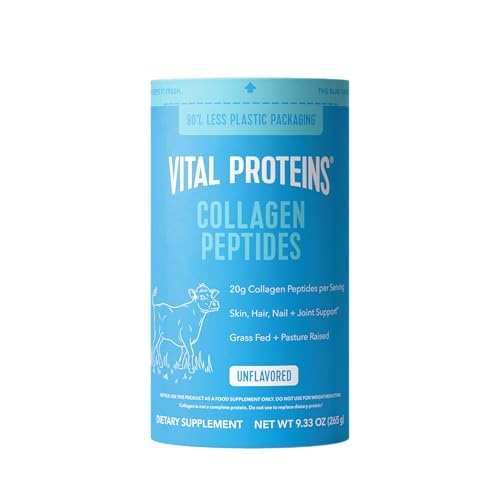
Vital Proteins Collagen Peptides Powder – Supports Hair, Nail, Skin, Bone & Joint Health, Unflavored, Collagen Protein 9.33 OZ
FOR HAIR, SKIN, AND NAIL HEALTH: Our collagen supplements for women support the vitality and shine of your…
As an affiliate, we earn on qualifying purchases.
As an affiliate, we earn on qualifying purchases.
Conclusion
So, after all that talk about collagen supplements working wonders, it turns out they might just be another shiny bottle on your shelf. You’ve spent money chasing youthful skin and stronger joints, only to find out the science isn’t quite as clear-cut. Irony? The stuff your body already makes naturally might be enough—no magic pill needed. So, go ahead, enjoy that collagen boost if you believe it, but don’t forget, sometimes nature’s already got you covered.
ForestLeaf Multi Collagen Pills with Hyaluronic Acid + Vitamin C | Hydrolyzed Collagen Supplements for Women or Men | Multi Collagen Capsules Peptides for Skin, Wrinkles, 120 Caps
HYDRATE HAIR, SKIN & NAILS – Collagen is the main protein that gives our skin elasticity. Our unique…
As an affiliate, we earn on qualifying purchases.
As an affiliate, we earn on qualifying purchases.

VEV Multi Collagen Peptides Powder, 16 oz (41 Servings) – Type I, II, III, V, X, Hydrolyzed Collagen, Hyaluronic Acid, Biotin, Vitamin C, Supports Skin, Unflavored, Dissolves Easily
Premium Blend of Multi Collagen Peptides: VEV Hydrolyzed Collagen Powder provides a potent multi-type collagen blend, including types…
As an affiliate, we earn on qualifying purchases.
As an affiliate, we earn on qualifying purchases.