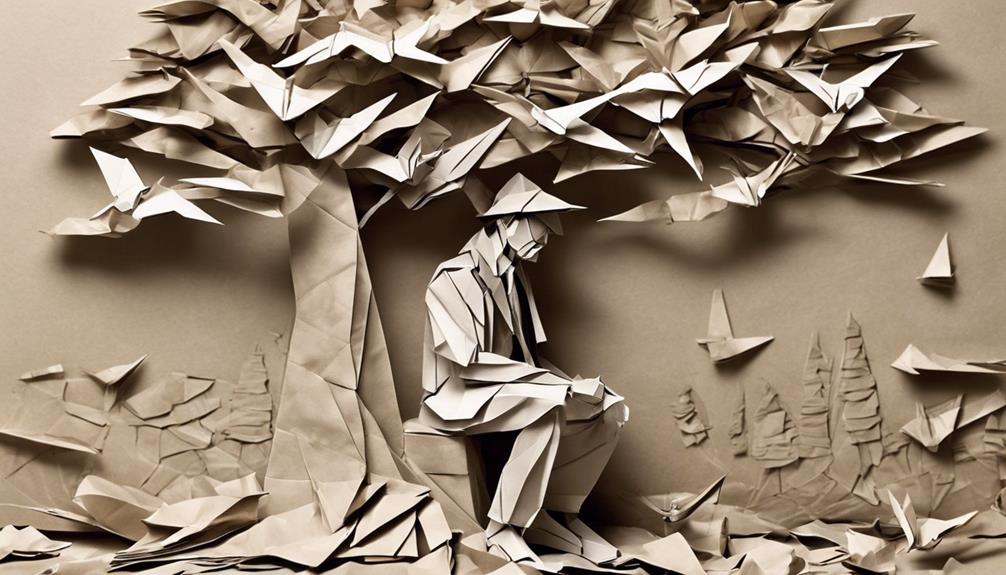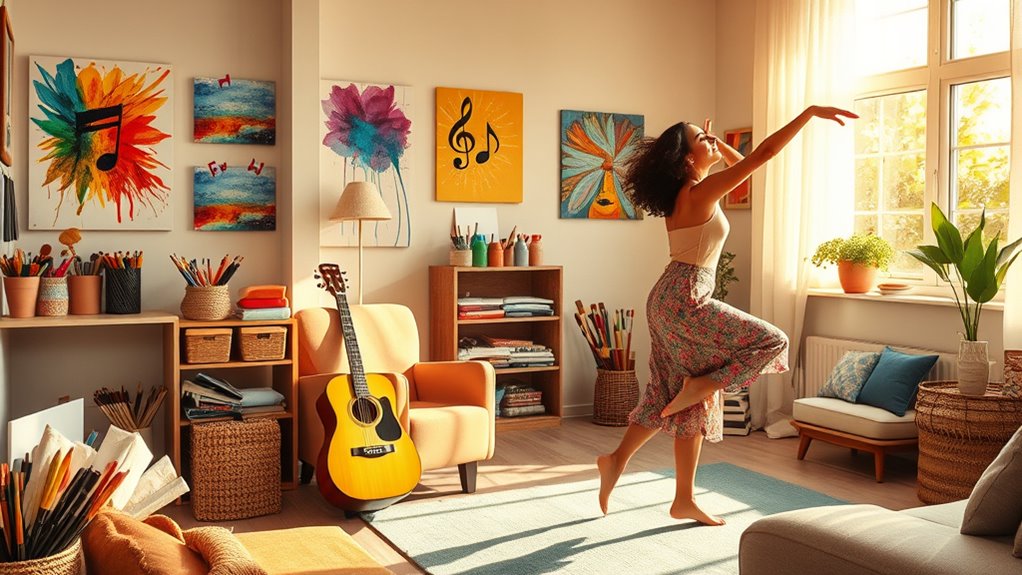

Creative arts therapies like music, art, and dance help you express emotions beyond words, making healing more engaging and accessible. Through activities such as creating art, playing instruments, or dancing, you can explore feelings, process trauma, and build self-awareness. These therapies are tailored to your needs and often work well alongside other treatments, promoting emotional release and resilience. Keep exploring to discover how these creative approaches can support your mental health journey.
Key Takeaways
- Creative arts therapies use expressive activities like music, art, and dance to promote emotional healing and self-awareness.
- These modalities help access subconscious feelings and process trauma nonverbally, complementing traditional talk therapies.
- Music, art, and dance therapies foster active participation, empowering clients and reducing feelings of intimidation.
- Group sessions enhance social connection and provide holistic benefits for mental health and emotional resilience.
- Integrating digital skills and creative expression enables personalized, versatile approaches to mental health treatment.

Have you ever wondered how art, music, dance, or drama can help heal the mind and body? These creative arts therapies use expressive techniques to tap into your emotions, allowing you to communicate in ways words often can’t. Instead of relying solely on talk therapy, you engage in activities like painting, playing instruments, dancing, or acting, which serve as powerful tools for healing. The core idea is that expressive techniques enable you to access subconscious feelings, process trauma, and foster self-awareness in a safe environment. Whether you struggle with anxiety, depression, or trauma, these therapies can be tailored to your needs, making healing more accessible and engaging.
Creative arts therapies use expressive techniques to heal emotions and foster self-awareness beyond words.
Therapeutic applications of creative arts are diverse and adaptable. For instance, in music therapy, you might compose, sing, or listen to music designed to evoke emotional responses or facilitate relaxation. Art therapy encourages you to create visual art that reflects your inner experiences, helping you explore complex feelings without needing to verbalize them. Dance and movement therapy involve physical expression, which can release tension and improve emotional regulation. Drama therapy offers an opportunity to role-play or act out scenarios, providing insight into personal struggles and fostering resilience. Each modality emphasizes expressive techniques that allow you to bypass defenses and access deeper layers of your psyche, promoting healing from within.
One of the key advantages of these therapies is their ability to be customized to your comfort level and interests. If you’re not naturally inclined to talk about your feelings, engaging in creative activities can feel less intimidating and more empowering. These therapies also encourage active participation, which often leads to a greater sense of control and agency over your healing process. Additionally, the nonverbal nature of expressive techniques can be particularly beneficial for those who find it difficult to articulate their emotions or experiences verbally. By focusing on the process of creation rather than the final product, you can experience a sense of accomplishment and emotional release that might be hard to achieve through traditional talk therapy alone.
Furthermore, the therapeutic applications of creative arts extend beyond individual sessions. Many programs incorporate group activities, fostering social connections and reducing feelings of isolation. These therapies often complement other treatments, enhancing overall mental health and well-being. The beauty lies in their versatility—whether you’re working through grief, managing stress, or seeking personal growth, creative arts therapies provide a holistic approach that nurtures both mind and body through expressive techniques. As you explore these modalities, you’ll discover new ways to understand yourself, express your feelings, and promote healing in a compassionate, creative space. Incorporating digital literacy into art therapy sessions can also help clients better navigate online environments safely and responsibly.

Essential Art Therapy Exercises: Effective Techniques to Manage Anxiety, Depression, and PTSD
As an affiliate, we earn on qualifying purchases.
As an affiliate, we earn on qualifying purchases.
Frequently Asked Questions
How Do Creative Arts Therapies Differ From Traditional Talk Therapy?
Creative arts therapies differ from traditional talk therapy because you use expressive techniques like music, art, or dance to explore feelings. Instead of just talking, you engage in non-verbal communication, which can help you express emotions that are hard to put into words. This approach allows you to access deeper insights and process experiences creatively, making it a powerful alternative or complement to traditional talk therapy.
Are Creative Arts Therapies Suitable for Children and Adolescents?
You might be surprised to learn that creative arts therapies are highly suitable for children and adolescents. Play therapy and expressive arts allow young people to express feelings they can’t always put into words. These therapies foster emotional growth, build confidence, and help children process experiences in a safe, engaging way. By embracing creative expression, you support their mental health development, making therapy both effective and empowering for young minds.
What Training Is Required to Become a Certified Arts Therapist?
To become a certified arts therapist, you need to meet specific certification requirements and complete specialized training. Typically, you’ll pursue a master’s degree in art, music, dance/movement therapy, or a related field, along with supervised clinical experience. After that, you’ll usually pass a certification exam from a recognized organization, like the American Art Therapy Association or the American Dance Therapy Association, to officially become licensed and credentialed.
Can Creative Arts Therapies Be Used Alongside Medication?
Think of creative arts therapies as a symphony that complements your medication, not replaces it. You can absolutely use these therapies alongside medication through integrative approaches, promoting holistic healing. They work together to address emotional, mental, and physical well-being, enhancing overall treatment effectiveness. By combining art, music, or dance with prescribed medication, you create a harmonious path toward recovery, embracing mind-body connection for a more all-encompassing mental health strategy.
How Effective Are Arts Therapies for Severe Mental Health Conditions?
Arts therapies can be quite effective for severe mental health conditions, often enhancing therapeutic outcomes when combined with other treatments. You might notice improvements in mood, emotional regulation, and self-awareness. The treatment duration varies based on individual needs, but consistent sessions over several months often yield better results. Keep in mind, progress may be gradual, and arts therapies serve as a valuable complement to traditional interventions, supporting your overall recovery journey.
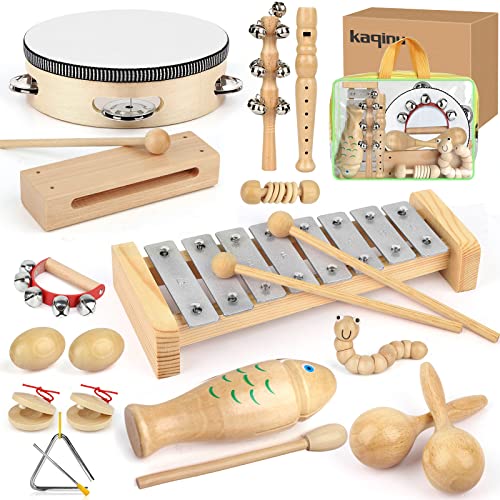
Kids Musical Instruments,100% Natural Wooden Music Percussion Toy Sets, 23 Pcs Tambourine Xylophone Toys for Kids, Girls Boys Preschool Education Early Learning Musical Toys with Bags
【Best Complete Musical Toy Sets for Kids】A perfect inspirational set of toys to get kids moving, grooving, and…
As an affiliate, we earn on qualifying purchases.
As an affiliate, we earn on qualifying purchases.
Conclusion
As you explore creative arts therapies, remember they’re your modern-day phoenix, rising from traditional methods to heal and transform. Like Da Vinci’s brushstrokes or Beethoven’s symphonies, your self-expression becomes a powerful tool for mental well-being. Embrace these arts as your guiding stars, illuminating your path to resilience and peace. In this journey, you’re not just an observer—you’re the artist, the musician, the dancer shaping your own story of recovery and growth.

S&S Worldwide Octaband – Multi-Colored Therapy Movement Band – Dance/Movement Therapy – Group Tool (8-Arm)
As an affiliate, we earn on qualifying purchases.
As an affiliate, we earn on qualifying purchases.

Creative Stress Relief Kit, Mini Watercolor Painting Book for Adults, DIY 3-Fold Watercolor Workbook with 12-Color Paint, Art Therapy Travel Set for Relaxation & Mindfulness (A)
【Creative Stress Relief Watercolor Kit】The creative stress relief kit includes 8 pre-printed sheets of drawing paper, 8 blank…
As an affiliate, we earn on qualifying purchases.
As an affiliate, we earn on qualifying purchases.