Creative coding turns programming into a vibrant tool for artistic expression. It lets you create interactive installations, generative artworks, and immersive experiences that respond directly to human input. By blending creativity with technology, you can design environments that shift and evolve based on motion, sound, or emotions. This approach transforms static art into lively, participatory pieces, opening new avenues for connection and innovation. Keep exploring to discover how you can harness code as a powerful form of artistic language.
Key Takeaways
- Programming transforms into a tool for artistic expression, blending creativity with code to develop innovative visual and interactive art.
- Interactive installations use sensors and real-time data to create immersive, participatory environments that respond to viewer actions.
- Generative art relies on algorithms, randomness, and mathematical rules to produce evolving, unpredictable visuals and sounds.
- Artistic and technical synergy expands creative boundaries, enabling dynamic, responsive artworks that engage viewers actively.
- Creative coding fosters new avenues for expression, turning code into visual poetry and blurring the line between artist and audience.

Have you ever wondered how artists and programmers blend creativity with technology? It’s a fascinating intersection where code becomes a tool for artistic expression. One of the most captivating ways this manifests is through interactive installations. These are immersive art pieces that respond to your presence, actions, or even your emotions. Instead of static displays, they create a dynamic experience, making you an active participant rather than a passive observer. For example, you might walk into a room where your movements influence projections, sounds, or lighting. Using sensors and real-time data processing, artists craft environments that adapt to your behavior, blurring the line between viewer and creator. This approach transforms traditional art into a lively, engaging event where technology amplifies human interaction.
Closely related is generative art, a form of creative coding where algorithms generate visuals, sounds, or animations. Instead of manually designing every element, you write code that produces complex, often unpredictable patterns. This process leverages randomness, mathematical formulas, and rules to craft unique artworks each time the program runs. It’s like giving your computer a set of creative instructions, allowing it to ‘think’ and create autonomously. Generative art can be mesmerizing, producing intricate designs that evolve, breathe, and morph in real time. As a creator, you set the parameters and let the code explore possibilities you might not have envisioned. It’s an exciting way to combine your artistic vision with computational power, resulting in pieces that are both precise and spontaneous. Additionally, understanding the contrast ratio of projectors can significantly influence how vivid and detailed your digital art appears on the screen.
Both interactive installations and generative art exemplify how programming extends artistic boundaries. They invite you to experiment with code not just as a technical skill but as a creative medium. The beauty lies in the unpredictability and the participatory nature of these works. When you design an interactive installation, you’re not just creating a piece to be looked at; you’re building an environment that responds to human input, making the audience part of the artwork. Meanwhile, generative art pushes you to think algorithmically, turning lines of code into visual poetry. These techniques allow you to craft art that’s alive, responsive, and constantly changing, reflecting the essence of creative coding. As you explore this domain, you’ll discover that programming becomes a powerful language for artistic innovation, opening new avenues for expression and connection.

Tech-A-Sketch: Build-Your-Own Digital Drawing Device – DIY Coding & Art Kit for Kids Ages 8+ | Interactive STEAM Project with LCD Screen, Knobs & Buttons | STEM/STEAM Gift
MORE THAN A DRAWING KIT: Tech-A-Sketch blends art, technology, and coding into one creative STEAM project. Kids ages…
As an affiliate, we earn on qualifying purchases.
As an affiliate, we earn on qualifying purchases.
Frequently Asked Questions
What Programming Languages Are Best for Beginners in Creative Coding?
You should start with Processing or p5.js, as they’re great for beginners in creative coding. Both offer visual programming options and have plenty of beginner tutorials to help you learn quickly. Processing uses Java, while p5.js is JavaScript-based, making it easier to create visual art on the web. These languages are user-friendly, encouraging experimentation and making your first projects enjoyable and accessible.
How Can I Start Learning Creative Coding With No Prior Experience?
Imagine stepping into a vibrant studio where colors dance across your screen, creating stories through code. To start learning creative coding with no experience, explore beginner-friendly tools like Processing or p5.js that focus on generative design and visual storytelling. Follow online tutorials, experiment freely, and don’t fear mistakes—they’re part of the creative process. As you practice, your skills will grow, turning simple ideas into mesmerizing digital art.
Are There Free Tools or Software for Creative Coding Projects?
You can find many free tools and software for creative coding projects, like open source frameworks such as Processing, p5.js, and openFrameworks. These are perfect for beginners and have extensive online tutorials to help you get started quickly. Most of these frameworks are user-friendly, and their communities offer support, so you can learn by experimenting and building your projects without any cost.
How Do I Incorporate Interactivity Into My Digital Art?
Imagine your digital art as a lively garden, where each interactive element is a blooming flower inviting visitors to explore. You can incorporate interactivity by designing a user interface that responds to clicks, movements, or keyboard inputs. This dynamic setup boosts audience engagement, making viewers active participants rather than passive observers. Use accessible coding tools like p5.js or Processing to craft these engaging, responsive experiences seamlessly.
What Are Some Famous Examples of Art Created Through Programming?
You’ve probably seen famous examples of algorithmic art and generative visuals, like Casey Reas’s Processing sketches or Joshua Davis’s dynamic designs. These artists use code to create complex, evolving visuals that often surprise viewers. Other notable works include Ben Fry and Jonathan Harris’s data-driven projects. These examples showcase how programming enables artists to craft mesmerizing, ever-changing art that pushes traditional boundaries and invites interactive experiences.

Generative Art: A Practical Guide Using Processing
As an affiliate, we earn on qualifying purchases.
As an affiliate, we earn on qualifying purchases.
Conclusion
As you explore creative coding, think of yourself as a painter with a digital canvas, each line of code a brushstroke shaping your unique masterpiece. Just like an artist transforms blank space into vibrant art, you harness programming to bring ideas to life. Embrace this journey, knowing that every flicker of code adds color and depth to your evolving gallery. With each creation, you craft a world where imagination and technology beautifully collide.
sensor-based interactive art devices
As an affiliate, we earn on qualifying purchases.
As an affiliate, we earn on qualifying purchases.
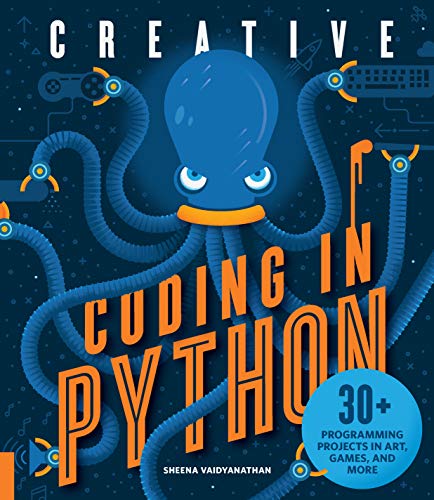
Creative Coding in Python: 30+ Programming Projects in Art, Games, and More
As an affiliate, we earn on qualifying purchases.
As an affiliate, we earn on qualifying purchases.