
To debunk health-related conspiracies, you should focus on trusting reliable sources like the CDC and WHO, which conduct rigorous testing on vaccines and treatments. Be skeptical of misleading claims that oversimplify or promote herbal remedies over proven solutions, and question sensational stories fueled by misinformation online. Remember, science relies on evidence, not conspiracy theories. Staying informed helps you make better health decisions—continue exploring to uncover the facts behind these myths.
Key Takeaways
- Rely on reputable sources like the CDC, WHO, and peer-reviewed studies for accurate health information.
- Recognize that widespread conspiracy theories often lack scientific evidence and rely on fear-mongering.
- Understand that vaccines undergo rigorous testing, and serious adverse reactions are extremely rare.
- Be cautious of claims promoting herbal remedies as safer or more effective than scientifically validated treatments.
- Question sensational or unverified claims, and promote critical thinking to prevent misinformation from spreading.
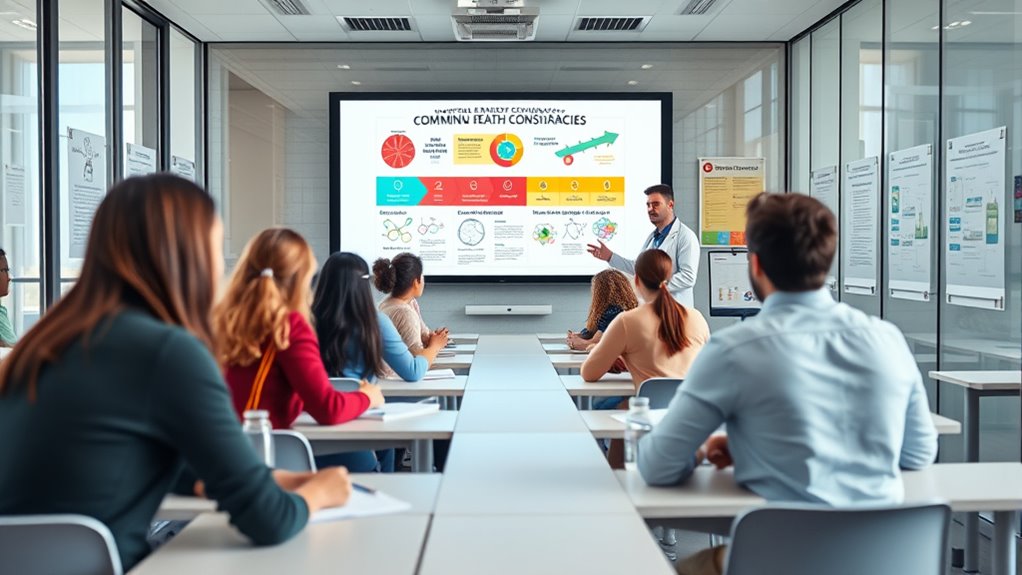
Have you ever wondered why so many health-related conspiracies spread so quickly? It’s because misinformation often taps into deep-seated fears and mistrust, making it easy for false claims to gain traction. One common theme involves vaccine safety, where skeptics argue that vaccines are more harmful than helpful. The reality is that extensive scientific research demonstrates vaccines are rigorously tested for safety and efficacy before approval. Public health agencies worldwide, including the CDC and WHO, continuously monitor vaccine safety, and serious adverse reactions are extremely rare. Despite this, conspiracy theories persist, often fueled by misinformation online or anecdotal stories that lack scientific backing. These claims can cause real harm, leading some to delay or refuse vaccinations, which can jeopardize not only their health but that of the community, especially vulnerable populations like children or immunocompromised individuals. To counter this, it’s essential to rely on credible sources and understand that vaccine development follows strict protocols designed to protect everyone.
Additionally, home decor trends in the presentation of health-related information can influence public perception and trust, highlighting the importance of trustworthy communication. Herbal remedies are frequently promoted as natural cures or alternatives to conventional medicine. While herbal remedies can be beneficial in some contexts, many conspiracy theories claim they are superior or safer than scientifically proven treatments. This is misleading because herbal remedies, like any other product, can have side effects, interact with medications, or be ineffective for certain conditions. The misconception that herbal remedies are entirely safe stems from their natural origin, but “natural” doesn’t always equate to “harmless.” People often turn to herbal remedies out of distrust in pharmaceutical companies or government agencies, believing big corporations hide harmful effects of mainstream medicine. However, ignoring scientifically tested treatments in favor of unverified herbal remedies can be dangerous, especially when serious illnesses are involved. It’s essential to approach herbal remedies with caution, consult healthcare professionals, and view them as complementary rather than replacements for proven medical therapies.
Understanding the facts about vaccine safety and herbal remedies is key to debunking many health conspiracies. Misinformation thrives on fear, but you can fight it by seeking out reliable sources, questioning sensational claims, and trusting scientific consensus. Remember, science continually updates our understanding, but it’s based on rigorous testing and evidence, not conspiracy theories or anecdotal stories. By staying informed and critical of dubious claims, you protect your health and contribute to a more accurate understanding of how to maintain it. Conspiracies may spread easily, but your informed choices can help prevent their harmful effects and promote a healthier, more truthful perspective on health.
Frequently Asked Questions
How Do Conspiracies Impact Public Health Efforts?
Conspiracies can seriously impact your public health efforts by fueling vaccine hesitancy and spreading misinformation. When false claims circulate, you might hesitate to get vaccinated or follow health guidelines, putting yourself and others at risk. Misinformation spreads quickly, making it harder for health authorities to control outbreaks. To protect public health, you need to critically evaluate information and rely on credible sources, countering conspiracy theories with facts.
What Psychological Factors Make People Believe Health Conspiracies?
You believe health conspiracies partly because cognitive biases, like confirmation bias, make you seek information that supports your existing views. Emotional reasoning also plays a role, leading you to trust feelings over facts, especially when fear or mistrust is involved. These psychological factors make it easier to accept conspiracy theories, as they tap into your emotions and biases, reinforcing your beliefs even when evidence suggests otherwise.
Are There Common Patterns Among Health-Related Conspiracy Theories?
You’ll notice that health-related conspiracy theories often follow common patterns, like exploiting pattern recognition to make unlikely connections seem plausible. These theories tend to mirror misinformation trends, spreading quickly through social media and reinforcing existing beliefs. You might see recurring themes of distrust in authorities or scientific institutions, which help conspiracy theories gain traction. Recognizing these patterns can help you critically evaluate claims and avoid falling for misinformation trends.
How Can Educators Effectively Counter Health Misinformation?
Think of yourself as a lighthouse guiding ships through fog; you can help students navigate health misinformation. Use clear educator strategies like promoting misinformation literacy, encouraging critical thinking, and providing credible sources. By fostering curiosity and skepticism, you empower learners to question false claims and recognize reliable information. Your active engagement helps them see through the fog of misinformation and stay on the safe path to accurate health knowledge.
What Role Do Social Media Platforms Play in Spreading These Conspiracies?
Social media platforms play a big role in the viral spread of health conspiracies, often fueled by misinformation algorithms that prioritize sensational content. You can notice how quickly false claims reach wide audiences, making it harder to discern truth from fiction. By understanding these algorithms, you can better identify and avoid engaging with misinformation, helping to reduce its spread and protect others from falling for false health claims.
Conclusion
Now that you’ve seen the truth behind these health conspiracies, don’t fall for the craziness. Imagine your mind as a fortress, strong and unbreakable, resisting the wildest lies like a superhero battling a horde of chaos. Don’t let misinformation sneak in like a sneaky thief stealing your peace of mind. Stay curious, stay skeptical, and remember: the real facts are your best shield against the wildest, most outlandish theories that threaten to turn your world upside down.