
Many paranormal myths have natural explanations or stem from psychological factors like sleep paralysis, hallucinations, or suggestibility. Environmental causes such as drafts, creaky floors, or optical illusions often mimic ghostly activity. Media and folklore amplify these stories, making them seem more convincing. By understanding these factors, you can see that many so-called hauntings are illusions or myths. Keep exploring, and you’ll discover the truth behind these popular beliefs.
Key Takeaways
- Many ghost sightings are caused by psychological factors like sleep paralysis and hallucinations rather than actual spirits.
- Environmental factors such as drafts, creaky floors, and structural issues create sounds and illusions mistaken for paranormal activity.
- Media sensationalism and folklore amplify myths, blending fact and fiction to enhance haunted location reputations.
- Natural explanations, including optical illusions and environmental triggers, often sufficiently explain supposed supernatural phenomena.
- Approaching ghost stories skeptically and understanding their origins helps distinguish myths from evidence-based facts.
Have you ever wondered whether paranormal myths are based on truth or just tall tales? When you hear stories about ghost sightings or visit supposedly haunted locations, it’s easy to get caught up in the mystery and wonder. But many of these tales have roots that are more rooted in imagination or misinterpretation than actual supernatural activity. Understanding the origins of ghost sightings and haunted locations can help you see that many of these stories are exaggerated or even fabricated.
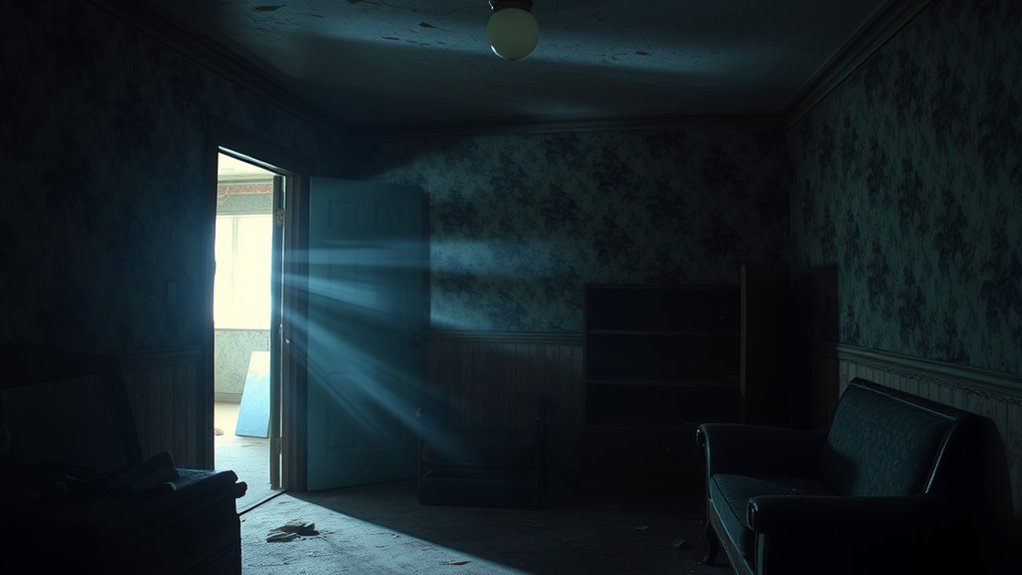
First, consider ghost sightings. People often report seeing apparitions or feeling strange presences, but these experiences can often be explained by psychological factors such as sleep paralysis, hallucinations, or the power of suggestion. For example, if you’re in a dimly lit room or feeling anxious, your mind might interpret shadows or movements as ghosts. Additionally, the mind is highly suggestible; if you’re told a location is haunted, you’re more likely to interpret unexplained noises or fleeting shadows as proof of paranormal activity. Many “ghost sightings” are simply the result of natural causes, like creaky floors, drafts, or even camera tricks. These illusions can be convincing enough to fuel stories of hauntings, but they don’t necessarily indicate supernatural presence.
Many ghost sightings are natural illusions, like shadows, drafts, or camera tricks, not proof of spirits.
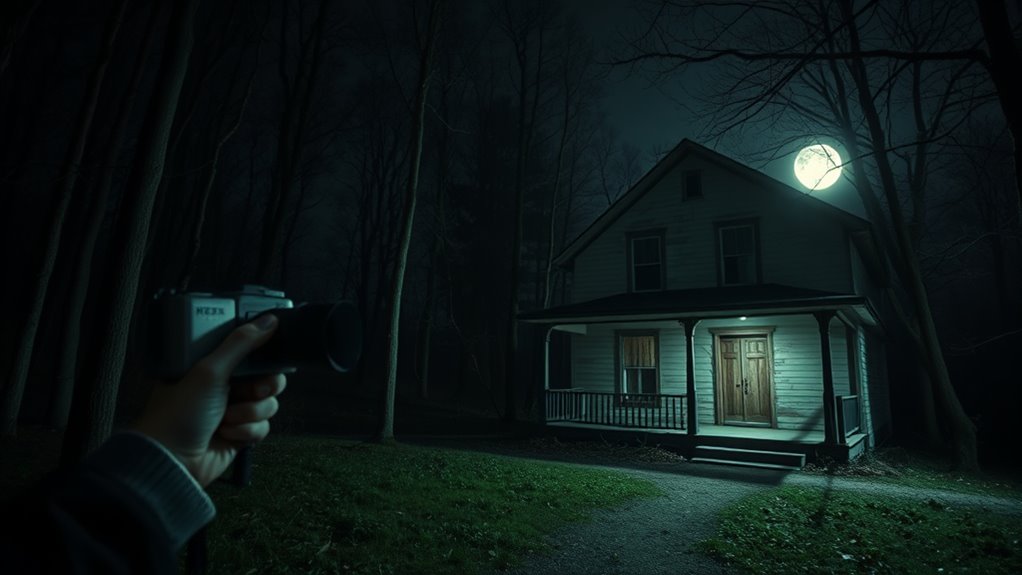
As for haunted locations, many sites claimed to be cursed or inhabited by spirits have long histories filled with stories, tragedies, and local legends. These tales often grow over time, adding layers of myth to the original events. Sometimes, the “haunting” can be attributed to environmental factors, such as structural issues producing strange noises or optical illusions. Other times, the stories are boosted by folklore and media sensationalism, which makes the location’s reputation grow. Tourists and thrill-seekers visiting these sites often experience heightened emotions, which can lead to heightened perceptions of paranormal activity. It’s important to remember that many so-called haunted locations are just that—locations with a long history of stories, rather than actual evidence of spirits lingering.
In the end, many paranormal myths are just that—myths. They’re built on a mix of real experiences, misperceptions, and storytelling traditions that have been passed down through generations. While it’s tempting to believe in ghost sightings or haunted locations, approaching them with a critical eye helps separate fact from fiction. The next time you hear a story about a haunted house or see a shadowy figure on camera, ask yourself whether there’s a logical explanation before jumping to supernatural conclusions. Sometimes, reality is far more mundane—and far less spooky—than the myths suggest.
Frequently Asked Questions
How Do Paranormal Myths Influence Popular Culture?
Paranormal myths influence popular culture by shaping urban legends and media portrayals, making supernatural stories more intriguing and believable. You’re likely to see ghost stories, haunted locations, and mysterious creatures featured in movies, TV shows, and social media, which amplifies their popularity. These myths feed curiosity, create shared experiences, and often blur the line between fact and fiction, keeping paranormal themes alive and evolving in modern entertainment.
Are There Scientific Explanations for All Supposed Paranormal Phenomena?
You might think all paranormal phenomena have scientific explanations, but that’s not always true. Some cases, like quantum anomalies, challenge current understanding and suggest possible energy transfer processes that aren’t fully understood yet. While many supposed sightings can be explained by psychology or environmental factors, certain phenomena remain unexplained, prompting further research. So, not all paranormal events have clear scientific explanations, leaving room for mystery and discovery.
Why Do People Believe in Paranormal Myths Despite Lack of Evidence?
You believe in paranormal myths because, despite lacking evidence, mass hysteria and cognitive biases pull you in. When others share spooky stories, your brain fills in gaps, creating a sense of certainty. Cultural influences and emotional needs also make you cling to these tales. The allure of the unknown keeps you captivated, even when science shows no proof—proof that your mind sometimes prefers mystery over skepticism.
Can Technology Truly Detect or Prove Paranormal Activity?
Technology can assist in detecting or proving paranormal activity through electronic monitoring and sensor technology, but it doesn’t definitively confirm such phenomena. You can set up devices like EMF meters or infrared cameras to track unusual signals or movements. However, these tools often pick up false positives or environmental factors, so while they help gather data, they can’t guarantee proof of paranormal activity. Use them as part of a broader investigation.
What Psychological Factors Contribute to Belief in Paranormal Myths?
You believe in paranormal myths partly because cognitive biases, like confirmation bias, make you notice evidence that supports your beliefs while ignoring contradictions. Emotional reasoning also plays a role, as your feelings influence your perception of events, making spooky experiences seem more real. These psychological factors shape your beliefs, causing you to interpret ambiguous situations as paranormal, even when scientific explanations are more plausible.
Conclusion
You’ve learned that many paranormal myths are just illusions or misconceptions. Imagine walking through a foggy night, feeling a cold breeze, but realizing it’s just the wind playing tricks on your mind. The truth often reveals shadows where there’s nothing. By questioning what you see and hear, you can clear the fog of superstition. Embrace curiosity and skepticism—your mind can be your best tool against the illusions that haunt the unknown.