
Growing herbs and microgreens indoors is straightforward and rewarding. With hydroponic systems and LED grow lights, you can enjoy fresh, flavorful greens year-round while minimizing mess and maintenance. These setups promote faster growth, fewer pests, and easy control of environmental factors. Whether you’re in a small apartment or want an indoor oasis, you’ll discover how simple it is to cultivate healthy greens whenever you want. Keep exploring to find out how to perfect your indoor garden.

Get beauty and skincare favorites delivered free — and shop member deals
- Fast, free delivery on millions of items
- Access to Prime Big Deal Days deals on October 6–7
- Prime Video, Amazon Music and more included
Key Takeaways
- Indoor gardens allow year-round cultivation of fresh herbs and microgreens, regardless of outdoor weather conditions.
- Hydroponic systems simplify maintenance and promote faster growth by delivering nutrients directly to plant roots.
- LED grow lights provide essential full spectrum illumination, supporting healthy development and efficient photosynthesis.
- Environmental controls enable precise adjustment of light, nutrients, and humidity, reducing pests and ensuring optimal plant health.
- Microgreens can be harvested quickly, offering a continuous supply of flavorful, nutritious greens for culinary use.
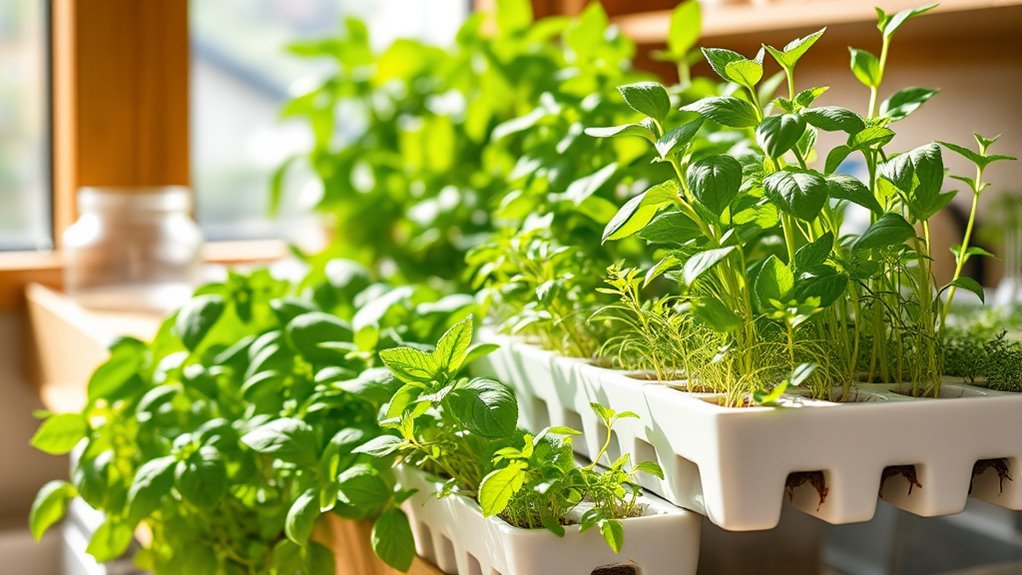
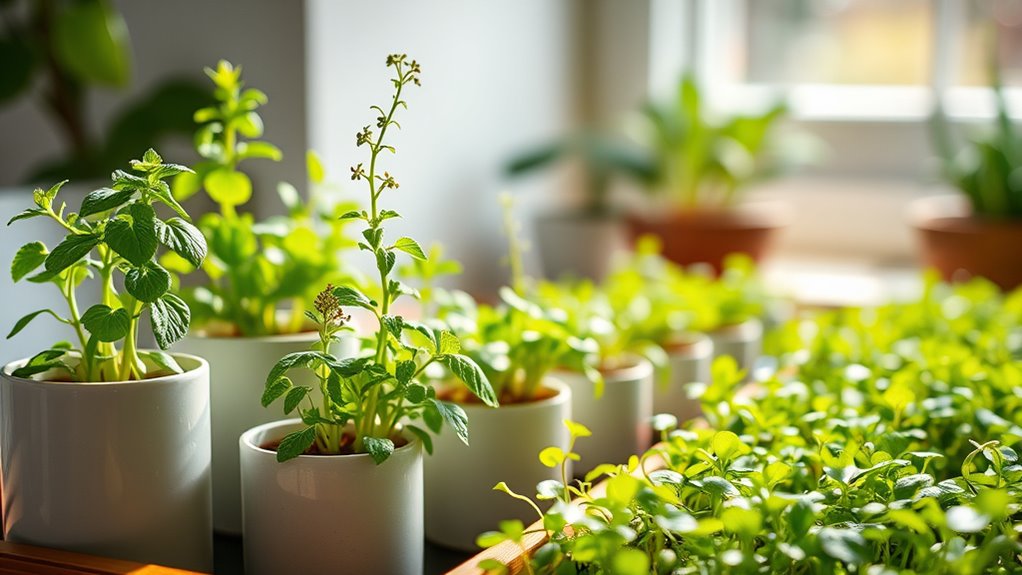
Indoor gardens offer a convenient way to enjoy fresh herbs and microgreens year-round, regardless of outdoor weather conditions. By setting up a dedicated space inside your home, you can cultivate a variety of greens that enhance your meals and boost your well-being. One effective way to do this is through hydroponic systems, which allow you to grow plants without soil. Instead of traditional planting methods, hydroponics use nutrient-rich water to deliver everything your herbs and microgreens need directly to their roots. This method reduces mess and makes maintenance simpler, especially in small spaces. Plus, hydroponic systems often promote faster growth since plants have direct access to nutrients, leading to more frequent harvests.
To maximize growth, you’ll want to incorporate LED grow lights into your indoor garden setup. These specialized lights provide the full spectrum of light needed for photosynthesis, mimicking natural sunlight. Unlike traditional incandescent bulbs, LED grow lights are energy-efficient and generate less heat, making them safer and more cost-effective over time. You can position these lights above your hydroponic containers, ensuring your herbs and microgreens receive consistent, adequate illumination. The right lighting schedule, typically 12-16 hours a day, encourages healthy development and lush foliage. With proper lighting, microgreens like radish, basil, or arugula grow quickly, often ready for harvest within a couple of weeks.
Setting up your indoor garden with hydroponic systems and LED grow lights also gives you control over environmental factors. You can easily adjust light intensity, duration, and nutrient delivery to suit each plant’s specific needs. This control minimizes pests and diseases common in outdoor gardening, meaning you get cleaner, healthier greens. Additionally, these systems fit well into small spaces like countertops, shelves, or dedicated grow cabinets, making them perfect for apartments or homes without yards.
Maintaining your indoor garden becomes straightforward with these tools. Regularly monitor water levels and nutrient concentrations, and ensure your LED grow lights are functioning properly. Most systems come with automated features or simple controls, so you don’t need a green thumb to succeed. As you become more familiar with your setup, you’ll notice how quickly your herbs and microgreens flourish. In just a matter of weeks, you’ll be snipping fresh greens for salads, garnishes, or smoothies, all harvested from your own indoor oasis. With hydroponic systems and LED grow lights, growing herbs and microgreens indoors transforms into a simple, rewarding experience that keeps your kitchen stocked with fresh, flavorful greens year-round.
indoor hydroponic herb garden kit
As an affiliate, we earn on qualifying purchases.
As an affiliate, we earn on qualifying purchases.
Frequently Asked Questions
What Are the Best LED Lights for Indoor Herb Gardens?
You should choose LED lights with a full spectrum, especially those that emphasize blue and red wavelengths, to promote healthy herb growth. Look for lights with adjustable light intensity so you can tailor the brightness to your plants’ needs. A good LED spectrum guarantees ideal photosynthesis, while proper light intensity prevents stretching or weak growth. Investing in quality grow lights makes your indoor herb garden thrive effortlessly.
How Often Should Microgreens Be Harvested for Optimal Taste?
Harvest your microgreens like a chef tasting a dish—carefully and at the right moment. For maximum taste and flavor enhancement, you should harvest microgreens when they are 1-3 inches tall, usually about 7-21 days after sprouting. Regular harvest timing ensures fresh, vibrant flavor, while letting them grow too long can result in bitter or woody tastes. Keep an eye on their size and color for the best results.
Can Edible Indoor Gardens Be Grown Without Soil?
Yes, you can grow edible indoor gardens without soil by using hydroponic systems, which are ideal for soil-free gardening. These systems use nutrient-rich water solutions to nourish your herbs and microgreens directly. You simply set up the system, monitor the water levels and nutrients, and enjoy fresh greens without soil. Hydroponic gardening is efficient, clean, and perfect for those wanting a hassle-free indoor growing experience.
What Are Common Pests That Affect Indoor Herbs and Microgreens?
Pests like aphids, spider mites, and fungus gnats frequently plague indoor herbs and microgreens. To prevent pests, practice proactive pest prevention by maintaining proper humidity, airflow, and cleanliness. Use natural repellents such as neem oil, insecticidal soap, or introducing beneficial insects like ladybugs. Regular inspection helps catch pests early, keeping your garden healthy and thriving. Staying vigilant guarantees your indoor garden remains pest-free and productive.
How Do I Prevent Mold and Mildew in Indoor Garden Setups?
To prevent mold and mildew in your indoor garden, control humidity levels and guarantee proper airflow. Use a dehumidifier or ventilation fans to keep humidity below 60%, and avoid overcrowding plants, which can restrict air circulation. Regularly remove any dead leaves or debris, and don’t overwater. Good airflow and humidity control create an environment that discourages mold growth, keeping your herbs and microgreens healthy and thriving.
As an affiliate, we earn on qualifying purchases.
Conclusion
With a little effort, your indoor garden becomes a lush oasis, turning your windowsill into a culinary treasure trove. Growing herbs and microgreens isn’t just about fresh flavors—it’s about creating a vibrant, living space that fuels your passion for healthy eating. Think of your garden as a tiny chef, ready to add a dash of freshness whenever you need it. So, nurture your green haven, and watch your kitchen bloom with flavor and life.
indoor microgreens growing system
As an affiliate, we earn on qualifying purchases.
As an affiliate, we earn on qualifying purchases.
As an affiliate, we earn on qualifying purchases.
Fall Picks
fall essentials
As an affiliate, we earn on qualifying purchases.