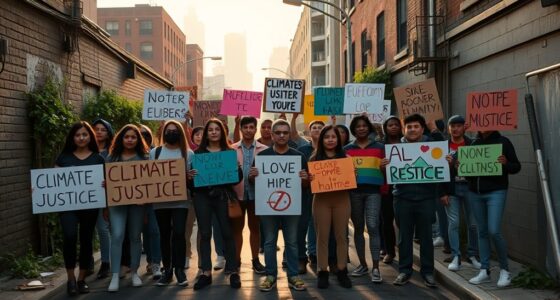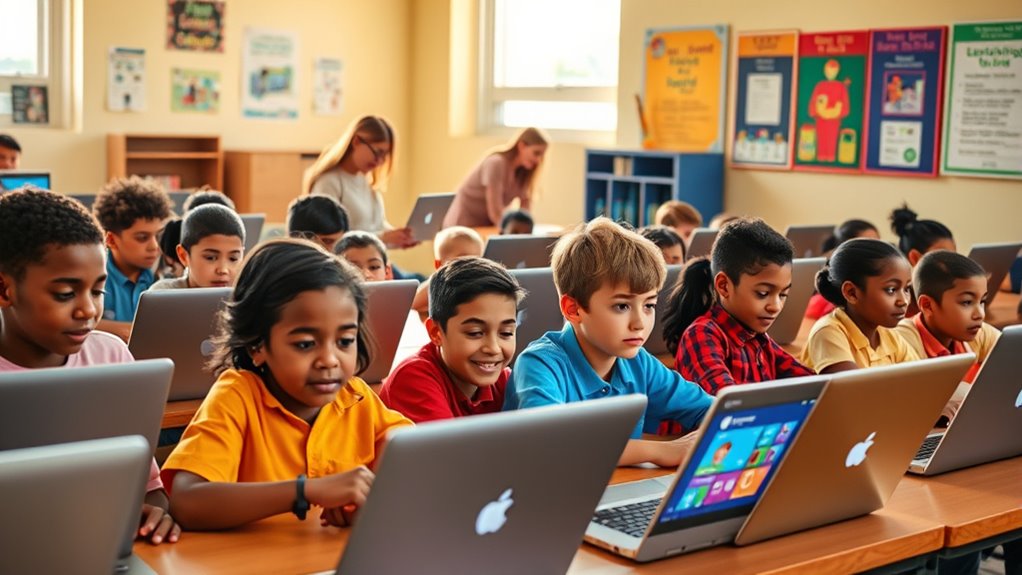

Closing the digital divide is vital for ensuring everyone has equal educational access. You can help by supporting investments in reliable internet infrastructure, especially in rural and low-income areas. Strong connectivity allows students to participate fully in online learning and access resources. Improving digital literacy skills also empowers students and teachers alike. By focusing on both infrastructure and skills development, you’ll make education more inclusive and equitable. Continue exploring to discover ways you can contribute to narrowing this gap.
Key Takeaways
- Investing in high-speed broadband and expanding internet infrastructure ensures equitable access for all students.
- Implementing digital literacy programs equips students and teachers with necessary skills for effective online learning.
- Providing affordable internet options and devices helps bridge connectivity gaps in underserved communities.
- Offering ongoing teacher training and community initiatives promotes responsible and proficient use of digital tools.
- A holistic approach combining infrastructure development and skills training is essential to close the digital divide.
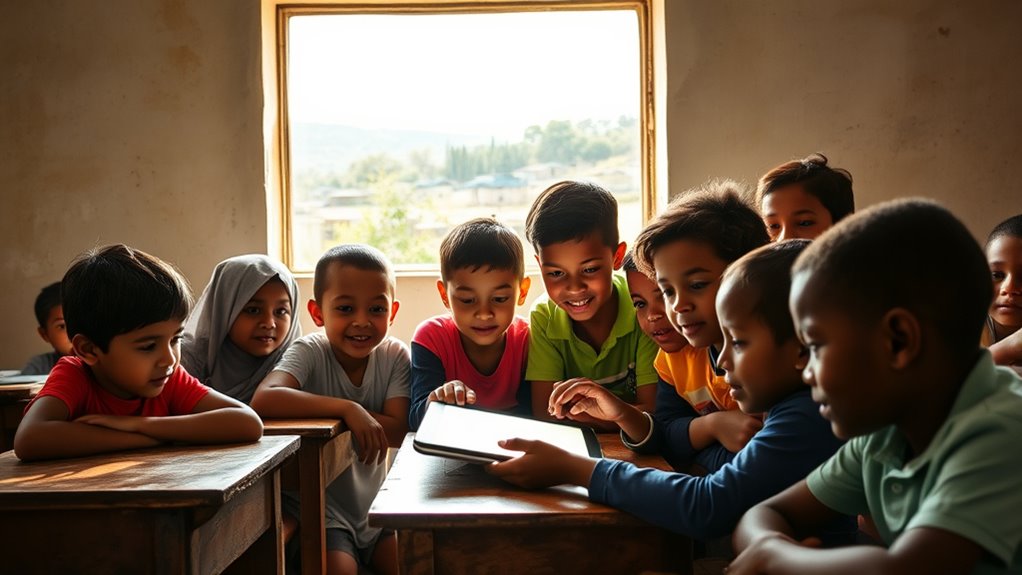
Have you ever wondered what it takes to guarantee everyone has access to quality education? One of the biggest hurdles is ensuring reliable internet infrastructure. Without stable and widespread internet access, students in rural areas, low-income communities, and developing countries find themselves cut off from the resources that could transform their learning experiences. Building robust internet infrastructure means investing in high-speed networks, expanding broadband coverage, and making sure that even the most remote communities can connect. When internet access is inconsistent or slow, it hampers the ability to participate fully in online classes, access digital learning materials, or communicate with teachers and peers. This digital divide widens educational disparities and limits opportunities for growth. Addressing this issue requires governments, private companies, and communities to work together, prioritizing infrastructure projects that reach underserved areas. Only then can we create an environment where digital learning becomes accessible to all students, regardless of where they live.
But internet infrastructure alone isn’t enough. You also need digital literacy— the skills to navigate, evaluate, and utilize digital tools effectively. Many students and even teachers lack the necessary digital skills to maximize online learning opportunities. Without digital literacy, students may struggle to find credible information, complete assignments, or participate confidently in virtual classrooms. This gap can hinder their academic progress and diminish the benefits of online education. To close this gap, schools and communities must prioritize digital literacy programs as part of their curricula. This involves teaching students how to use technology responsibly, securely, and efficiently. It also means providing ongoing training for teachers so they can incorporate digital tools into their teaching practices. When students develop digital literacy skills, they become more independent learners and are better prepared for a digital economy. Equipping everyone with these skills helps ensure that technological advancements serve as bridges, not barriers, to educational access.
Finally, bridging the digital divide requires continuous effort and adaptation. As technology evolves, so must the strategies to make digital access equitable. Investing in internet infrastructure creates the foundation, but fostering digital literacy ensures that the benefits are fully realized. Both components are essential to guarantee that no student is left behind. When you understand the importance of these elements, it becomes clear that closing the digital divide isn’t just about technology—it’s about empowering individuals with the tools and skills they need for lifelong learning. By focusing on expanding internet connectivity and enhancing digital literacy, we take concrete steps toward an inclusive educational system where everyone has an equal chance to succeed.
high-speed broadband internet for rural areas
As an affiliate, we earn on qualifying purchases.
As an affiliate, we earn on qualifying purchases.
Frequently Asked Questions
How Does the Digital Divide Impact Rural Students Differently?
You notice that rural students face unique challenges due to limited rural connectivity, which hampers their access to reliable internet and technology. This gap slows technology adoption, making it harder for them to participate fully in online learning. As a result, rural students often fall behind their urban counterparts, missing out on essential educational resources and opportunities that are increasingly digital, impacting their academic success and future prospects.
What Role Do Libraries Play in Bridging the Digital Gap?
Libraries play a crucial role in bridging the digital gap by providing access to technology and internet, especially for those lacking resources at home. You can improve digital literacy through community outreach programs, workshops, and training sessions offered by libraries. They serve as safe, inclusive spaces where you can develop essential skills, access information, and connect with others, helping you overcome barriers and succeed academically and socially.
Are There Successful Models for Affordable Internet Access?
Yes, there are successful models for affordable internet access. You’ll find that public-private partnerships often lead the way, combining resources to expand connectivity in underserved areas. These collaborations create innovative, affordable solutions that reach more people, bridging the digital divide. By working together, governments and private companies can develop sustainable networks, making internet access more accessible and reliable for everyone, especially those who need it the most.
How Can Policymakers Prioritize Digital Equity in Education?
You can prioritize digital equity in education by investing in programs that improve digital literacy and make devices more affordable. Advocate for policies that provide funding for community tech centers, subsidize internet access, and support device affordability initiatives. Encourage schools to integrate digital literacy into curricula, guaranteeing all students develop necessary skills. By focusing on these areas, you help bridge the gap and ensure every student has equal access to digital learning opportunities.
What Are the Long-Term Effects of Limited Digital Access?
Limited digital access can hinder your digital literacy, making it harder to develop essential skills for today’s job market. Without consistent access, you might fall behind in technological innovation, reducing your chances of career advancement. Over time, this digital divide can lead to ongoing inequality in education and employment, reinforcing socioeconomic gaps. Ensuring equitable digital access helps you stay current, adapt to technological changes, and fully participate in the digital economy.
digital literacy training programs for students
As an affiliate, we earn on qualifying purchases.
As an affiliate, we earn on qualifying purchases.
Conclusion
Remember, education is the key to opening a brighter future for everyone. By working to close the digital divide, you help guarantee that no one is left behind due to lack of technology or internet access. As the saying goes, “Knowledge is power,” so take action to promote digital equity. When everyone has access, you create a world where opportunity truly knows no boundaries. Your efforts can make a lasting difference—never underestimate their impact.
affordable internet devices for low-income families
As an affiliate, we earn on qualifying purchases.
As an affiliate, we earn on qualifying purchases.
Wi-Fi routers for remote communities
As an affiliate, we earn on qualifying purchases.
As an affiliate, we earn on qualifying purchases.