
Ethical investing lets you align your money with your personal values by supporting companies that prioritize social responsibility, environmental sustainability, and ethical practices. Instead of just seeking financial returns, you focus on making a positive impact on society and the planet. This approach encourages responsible business conduct and can even outperform traditional investments over time. If you want to learn how to effectively incorporate values into your investments, you’ll discover some helpful insights ahead.
Key Takeaways
- Ethical investing aligns financial goals with personal values by supporting responsible companies and sustainable practices.
- It emphasizes corporate responsibility, encouraging transparency, community engagement, and environmental stewardship.
- Investors can support societal initiatives by focusing on sectors like renewable energy, healthcare, and education.
- Beyond financial returns, ethical investing provides purpose, peace of mind, and a legacy rooted in social responsibility.
- Investment choices influence positive societal change by promoting corporate accountability and environmental sustainability.

Have you ever wondered if your investments can make a positive impact on the world? The idea of ethical investing is all about aligning your financial goals with your values, ensuring that your money supports causes and companies you believe in. It’s not just about earning returns anymore; it’s about creating a social impact that reflects your principles. When you choose investments based on ethical standards, you’re actively promoting corporate responsibility, encouraging companies to adopt sustainable practices and transparent governance. This approach helps drive change, pushing businesses to prioritize environmental sustainability, fair labor practices, and ethical supply chains. By investing in companies that demonstrate strong social responsibility, you’re contributing to a healthier planet and more equitable society.
Corporate responsibility plays a vital role in ethical investing because it signals whether a company genuinely cares about its social impact. You want to look for businesses that are committed not just to profit, but also to positive community engagement, environmental stewardship, and ethical conduct. These organizations often publish sustainability reports or participate in social impact initiatives, showing their dedication to making a difference. When you invest in such companies, you’re helping to amplify their efforts and motivate others to follow suit. It’s a way to hold corporations accountable, encouraging them to integrate social responsibility into their core strategies.
Invest in companies committed to social impact, accountability, and sustainable practices to promote positive change and ethical business conduct.
Your investment choices can influence social impact in tangible ways. For example, selecting funds that focus on renewable energy, affordable healthcare, or education can directly support initiatives that benefit society. Conversely, avoiding companies involved in harmful industries like fossil fuels, tobacco, or weapons production sends a clear message that you don’t want your money supporting practices that are detrimental to the environment or human rights. Ethical investing isn’t about sacrificing financial gains; many socially responsible investments outperform traditional options over time by capitalizing on emerging trends and consumer preferences for sustainability. Additionally, understanding the importance of water efficiency and other sustainable practices can help guide your choices toward more responsible companies.
Moreover, ethical investing offers you a sense of purpose and peace of mind. Knowing your money is working toward causes you believe in makes your investment journey more meaningful. You’re not just seeking financial growth but also fostering a legacy rooted in integrity. As more investors prioritize social impact, companies are increasingly adopting better corporate responsibility practices, which benefits society at large. In this way, your investment decisions can be a powerful tool for positive change, aligning your wealth with your values and helping shape a more just, sustainable world.

Simple Investing Guide to Ethical Investing: The Plain English Guide to Ethical Investing, ESG Funds and Sustainable Portfolios for UK Investors
As an affiliate, we earn on qualifying purchases.
As an affiliate, we earn on qualifying purchases.
Frequently Asked Questions
How Do I Start Ethical Investing With a Limited Budget?
You can start ethical investing on a limited budget by exploring micro investing platforms that allow small investments in socially responsible funds. Consider supporting community supported agriculture (CSA) programs, which align your money with sustainable farming practices. These options make it easy to invest ethically without a large sum upfront, helping you grow your portfolio while supporting causes you care about. Small, consistent investments can make a meaningful difference over time.
Are Ethical Funds as Profitable as Traditional Investments?
Yes, ethical funds can be as profitable as traditional investments, especially those focusing on corporate transparency and green technology. You might find that companies committed to transparency and sustainable practices often perform well financially over time. By investing in these areas, you support positive change while aiming for good returns. Keep in mind, though, like all investments, ethical funds carry risks, so do thorough research before committing your money.
How Can I Verify a Company’s Claims About Sustainability?
They say, “Trust, but verify,” and that’s true here. To confirm a company’s sustainability claims, you should look for robust corporate transparency and third-party certifications like B Corp or LEED. These provide independent validation of their efforts. Research their sustainability reports, check for consistent disclosures, and seek out external audits. This way, you guarantee the company’s claims are genuine, not just greenwashing.
What Tools Are Available to Measure a Fund’s Social Impact?
You can use impact measurement tools like the Global Impact Investing Network’s IRIS+ system or B Lab’s B Impact Assessment to evaluate a fund’s social impact. These tools help you assess how well the fund aligns with your values by providing ESG scoring and impact metrics. By analyzing these scores, you gain insights into the fund’s social and environmental contributions, ensuring your investments support positive change.
Can Ethical Investing Influence Corporate Behavior Effectively?
Like Pandora’s box, ethical investing can indeed influence corporate behavior by encouraging greater transparency and accountability. When you support funds focused on social values, you empower shareholder activism, pressuring companies to adopt ethical practices. Your investments send a powerful message, prompting corporations to prioritize sustainability and social responsibility. Over time, this collective influence can lead to meaningful change, making businesses more transparent and aligned with your values.

Investing 101: From Stocks and Bonds to ETFs and IPOs, an Essential Primer on Building a Profitable Portfolio (Adams 101 Series)
As an affiliate, we earn on qualifying purchases.
As an affiliate, we earn on qualifying purchases.
Conclusion
By choosing ethical investing, you’re planting seeds in a garden of values that grow into a future you believe in. Every dollar becomes a drop of water nurturing causes that matter to you. When you align your money with your principles, you’re not just making a financial choice—you’re cultivating a legacy. So, take the reins today and let your investments blossom into a reflection of your true beliefs, shaping a better world one decision at a time.
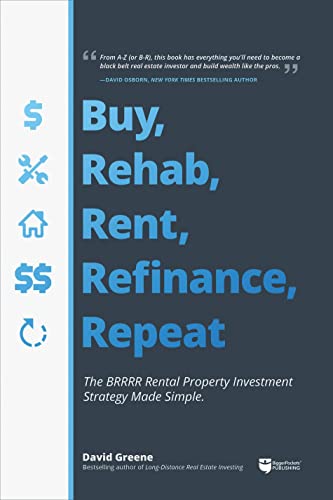
Buy, Rehab, Rent, Refinance, Repeat: The BRRRR Rental Property Investment Strategy Made Simple
As an affiliate, we earn on qualifying purchases.
As an affiliate, we earn on qualifying purchases.

Investing in Renewable Energy: Making Money on Green Chip Stocks (Angel Series)
As an affiliate, we earn on qualifying purchases.
As an affiliate, we earn on qualifying purchases.