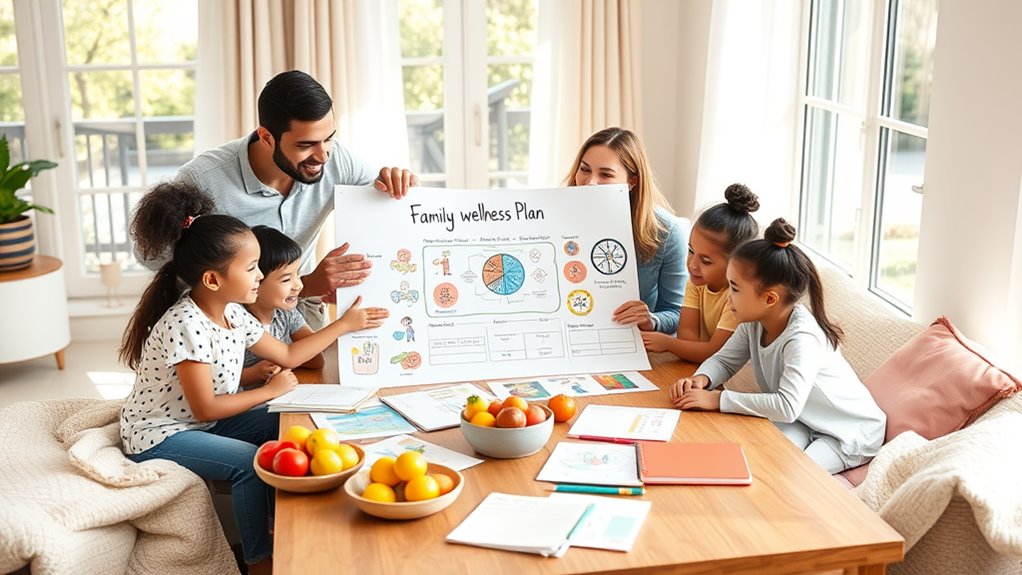

Creating a family wellness plan involves balancing nutritious meals, managing stress, and encouraging physical activity that everyone enjoys. Focus on simple, manageable changes like involving your family in meal prep, setting regular routines, and promoting outdoor play. Foster open communication and a supportive environment that emphasizes progress over perfection. Prioritize mental well-being and celebrate small victories. If you’re curious about building a sustainable, adaptable plan, you’ll find more helpful tips below.
Key Takeaways
- Set achievable, family-wide goals focusing on nutrition, stress management, and physical activity for sustainable progress.
- Incorporate simple, nutritious meal plans with family involvement to promote healthy eating habits.
- Establish routines and open communication channels to support mental well-being and emotional resilience.
- Limit screen time and encourage outdoor activities to reduce stress and boost overall wellness.
- Practice patience and consistency, recognizing that wellness is an ongoing journey that requires flexibility and support.

Have you ever wondered how to create a healthier, happier family life? Building a family wellness plan starts with small, intentional steps that promote overall well-being. One of the best ways to begin is by focusing on nutrition tips. When everyone in the family eats balanced, nutritious meals, you lay the foundation for good health. Incorporate more fruits, vegetables, lean proteins, and whole grains into your daily routines. Keep meal prep simple and involve family members in choosing healthy recipes. This not only makes eating nutritious foods more enjoyable but also teaches kids valuable lessons about making healthy choices. Avoid processed foods and sugary snacks, which can lead to energy crashes and mood swings. Instead, opt for homemade snacks and meals that give your family the nutrients they need to thrive. Consistency is key, so aim to establish regular meal times and encourage mindful eating. Over time, these small changes can appreciably improve your family’s energy levels, immune function, and overall health. Additionally, adding nutrient-rich foods like collagen and hyaluronic acid to your diet can support skin health and hydration.
Alongside nutrition, stress management plays a crucial role in creating a balanced family life. High stress levels can affect everyone, from children to adults, impacting sleep, mood, and relationships. To manage stress effectively, encourage open communication within your family. Create a safe space where everyone feels comfortable sharing their feelings and concerns. Incorporate relaxation techniques such as deep breathing exercises, meditation, or even family yoga sessions. These activities help everyone unwind and teach children healthy ways to cope with stress. Establishing routines can also provide a sense of stability and predictability, reducing anxiety during busy or challenging times. Make time for fun and connection, whether it’s playing games, taking walks, or sharing a family meal without distractions. Limiting screen time and encouraging outdoor activities can further help lower stress levels and promote physical activity. Remember, modeling good stress management yourself sets a positive example for your children, showing them how to handle life’s pressures calmly and effectively.
Creating a family wellness plan isn’t about perfection; it’s about making sustainable changes that fit your family’s unique needs. Focus on integrating simple nutrition tips and stress management techniques into your daily routines. Celebrate small victories along the way and stay flexible—life can be unpredictable. By fostering a supportive environment, encouraging healthy habits, and prioritizing mental well-being, you can build a happier, healthier family in the long run. The effort you put into these foundational areas will pay off, helping your family thrive physically, emotionally, and socially. Remember, a well-rounded wellness plan is a journey, not a destination, so keep moving forward with patience and purpose.
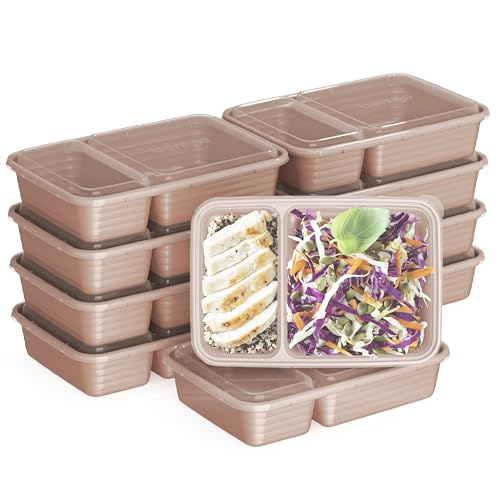
Bentgo Prep – 20-Piece 2-Compartment Reusable Meal Prep Containers with Lids, PFAS & BPA Free Materials, Durable, Microwave, Freezer, & Dishwasher Safe To Go Food Storage (Rose Gold)
#1 Brand Pick for Meal Prep Containers: Bentgo is the top pick for meal prep containers!* This lightweight,…
As an affiliate, we earn on qualifying purchases.
As an affiliate, we earn on qualifying purchases.
Frequently Asked Questions
How Often Should I Review and Update Our Wellness Plan?
You should review and update your wellness plan at least every three to six months. This guarantees that family communication remains open, and everyone stays aligned with your goals. Regular check-ins allow you to celebrate progress, identify challenges, and adjust your strategies as needed. Consistent goal setting keeps your family motivated and focused on overall wellness. Remember, staying flexible and proactive helps your plan grow stronger over time.
What Resources Are Available for Family Wellness Education?
Did you know that nearly 70% of families find community programs and online resources essential for wellness education? You can explore local community programs offering workshops on nutrition, mental health, and physical activity. Additionally, reputable online resources like government health sites and educational platforms provide valuable information. These resources empower you to make informed decisions and actively participate in your family’s wellness journey.
How Can I Involve Children in Creating the Plan?
You can involve children in creating the plan by encouraging their child participation through age-appropriate activities. Ask them what they enjoy and what makes them feel healthy and happy. Use simple language and fun tasks, like drawing or listing favorite activities. This way, they feel valued and excited to contribute. Adjust activities to their age, ensuring they understand and can actively participate in shaping the family wellness goals.
What Are Common Challenges in Maintaining a Wellness Routine?
You might face challenges like poor time management or losing motivation. To stay consistent, set small, achievable goals and use motivation techniques such as rewards or tracking progress. Prioritize your wellness routine by scheduling it into your daily calendar and adjusting it as needed. Remember, setbacks happen, but staying flexible and focused helps you overcome obstacles and maintain a healthier lifestyle for your family.
How Do I Measure the Success of Our Wellness Plan?
You can measure your wellness plan’s success by tracking progress regularly and setting clear benchmarks. Keep a journal or use apps to monitor improvements in activity levels, nutrition, or sleep. Compare your current habits with your initial goals, and celebrate small wins. If you notice positive changes, you’re on the right track. Adjust benchmarks as needed to stay motivated and make certain your family stays engaged in the wellness journey.

Grandma and Me: Explore Outdoors Activity Kit: (Gifts for Grandkids, Kids Activity Kits, Outdoor Activities for Kids)
As an affiliate, we earn on qualifying purchases.
As an affiliate, we earn on qualifying purchases.
Conclusion
Creating a family wellness plan is like planting a garden—you nurture it daily, and it blossoms into a healthier, happier life for everyone. By setting small, achievable goals and working together, you build a strong foundation that supports your family’s well-being. Remember, consistency is the sunlight that helps your efforts grow. Stay committed, be flexible, and watch your family’s wellness flourish like a vibrant, unstoppable force of nature.

DIY Pipe Cleaner Flower Craft Kit, Limpia Pipas para Flores – Plush Chenille Stem Bouquet Suitable for Home Decor, Handmade Gifts, Stress Relief, Meditation and Family Craft Activities
Adult Stress Relief & Healing DIY Craft:This pipe cleaner bouquet kit is designed for adult stress relief and…
As an affiliate, we earn on qualifying purchases.
As an affiliate, we earn on qualifying purchases.
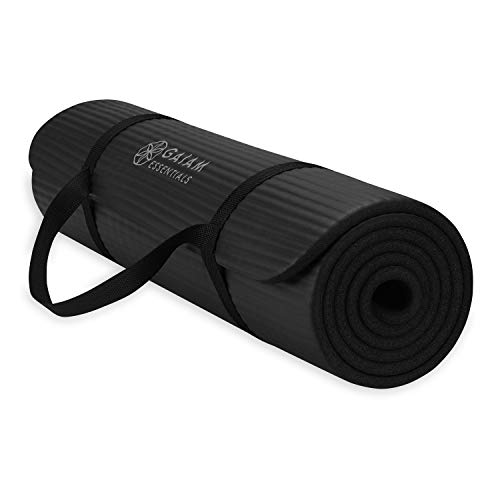
Gaiam Essentials Thick Yoga Mat Fitness & Exercise Mat with Easy-Cinch Carrier Strap, Black, 72"L X 24"W X 2/5 Inch Thick
Extra-Thick Cushioning for Joint Comfort : Made with 10mm (2/5") high-density NBR foam, this mat delivers plush cushioning…
As an affiliate, we earn on qualifying purchases.
As an affiliate, we earn on qualifying purchases.