TL;DR

Get beauty and skincare favorites delivered free — and shop member deals
- Fast, free delivery on millions of items
- Access to Prime Big Deal Days deals on October 6–7
- Prime Video, Amazon Music and more included
Dermaself reported more than 2,600 completed selfie-based skin analyses during a five-day activation with Shaka Beauty Hotel and OVS in Milan. The tool matched visible skin characteristics with ingredient information and products in OVS’s catalogue; the figures measure participation, not whether recommendations improved sales or skincare outcomes.
Dermaself reported more than 2,600 completed AI skin analyses during a five-day beauty retail activation in Milan, where visitors used selfies to receive skincare recommendations linked to products available through OVS. The Shaka Beauty Hotel × OVS experience shows how retailers are testing skin analysis as a route into multi-brand product discovery, rather than steering customers to a single brand.
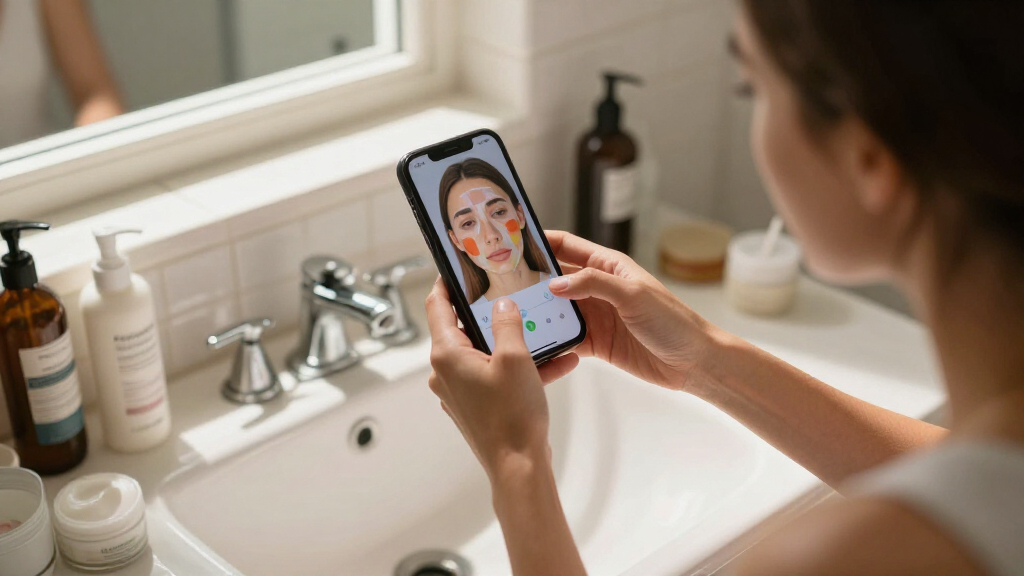
Held at Garden Senato during Milan Beauty Week 2026, the activation brought together 37 beauty brands. Visitors submitted a selfie for analysis of visible characteristics including blemishes, dark spots, wrinkles, pores, redness, hydration and skin laxity. Dermaself then connected the analysis with product ingredient information to generate recommendations from OVS’s catalogue.
Visitors could receive their recommended routine by email, along with a 20% discount on recommended products, redeemable at selected OVS stores in Milan. The report says the activation recorded a 75% completion rate and averaged one completed analysis every 55 seconds over the five-day experience. The source does not specify the denominator used for the completion rate.
The tool’s stated process runs from selfie to analysis to ingredient matching. Dermaself uses product INCI information—the ingredient lists on cosmetic products—to connect visible skin characteristics with formulations in a retailer’s assortment. That approach can be applied across brands, though the report does not provide details on how recommendations were ranked or validated.
Turning Skin Data Into Retail Guidance
The activation offers a practical example of how AI tools may help shoppers navigate large, specialised skincare assortments. When a retailer sells products from many brands, recommendations based on a shopper’s stated or analysed needs could provide an alternative to browsing by brand alone. In this case, the proposed link between visible skin characteristics and ingredient information was used to direct visitors to items already in the OVS catalogue.
For retailers, the potential extends beyond a temporary event. The source says the technology can be used online and in stores, including through QR codes, tablets or smart mirrors, and can support consultations with beauty advisers. If adopted across those channels, a shared recommendation process could connect online discovery, in-store advice and available products. The Milan figures show visitor use during one activation; they do not establish that the approach increases purchases, improves customer satisfaction or produces better skincare results.
As an affiliate, we earn on qualifying purchases.
A Multi-Brand Matchmaking Model
Beauty retailers face a growing challenge: more specialised products can give shoppers more choice, but may also make it harder to identify suitable options. The model described in the source starts with a consumer’s skin rather than a brand or product category. It then uses an AI assessment of visible characteristics and ingredient information to narrow the retailer’s catalogue.
Dermaself describes its service as ingredient-first product matching. In practice, that means comparing analysis results with product INCI information to identify formulations the platform considers relevant. The source presents this as a way to work across a retailer’s brands, rather than limiting recommendations to one company’s products. It does not provide independent evidence about the accuracy of the analysis or the suitability of individual recommendations.
The Milan activation placed that model in a physical retail setting and added an email follow-up and store-redeemable discount. The report frames the experience as a possible step toward omnichannel beauty retail, in which consumers encounter related recommendations at events, online and in shops. Those broader uses are described as possibilities, not as results already demonstrated by the five-day trial.
As an affiliate, we earn on qualifying purchases.
Accuracy, Outcomes and Data Use
The reported figures do not show whether visitors bought recommended products, returned to OVS, or found the routines useful. The source gives no comparison with a non-AI shopping experience, and does not state how the 75% completion rate was calculated. The results therefore indicate activity at this event, not a measured increase in sales or other retail outcomes.
Further details are also absent on how the tool assesses visible characteristics, how ingredient matches are ranked, or how recommendations are checked for individual suitability. The report does not explain what happens to submitted selfies and analysis results, including how long data are kept or whether they are used beyond generating recommendations. It is not clear whether the system has been independently assessed for accuracy across different skin tones or image conditions. These points matter to consumers and retailers considering wider use.
multi-brand skincare recommendations
As an affiliate, we earn on qualifying purchases.
As an affiliate, we earn on qualifying purchases.
From Event Trial to Store Use
The source describes e-commerce and in-store integration as potential next settings for AI skin analysis. Retailers could offer access through QR codes, tablets or smart mirrors, or use results as an aid during consultations with beauty advisers. It does not announce a confirmed wider rollout of the Milan activation or give dates for one.
The next evidence to watch for is whether Dermaself, OVS or other retailers report follow-up results from ongoing use: recommendation uptake, purchases, shopper feedback and how the technology performs across different settings. More information about data handling, assessment methods and safeguards would also help clarify what consumers are agreeing to when they submit a selfie.
As an affiliate, we earn on qualifying purchases.
Key Questions
What happened at the Milan beauty retail activation?
During a five-day activation at Garden Senato for Milan Beauty Week 2026, visitors could submit selfies for AI analysis and receive skincare recommendations linked to OVS products. The event involved 37 beauty brands and was organised as a Shaka Beauty Hotel × OVS experience with Dermaself’s technology.
How does Dermaself connect an analysis to products?
According to the source report, Dermaself assesses visible skin characteristics from a selfie and compares the results with product INCI information. It then identifies products in the retailer’s catalogue that it considers relevant. The report does not detail the ranking method or independently verify recommendation accuracy.
What do the event figures show?
The report states that the activation recorded more than 2,600 completed analyses, a 75% completion rate and an average of one completed analysis every 55 seconds. These are event participation measures; the source does not report sales impact or a comparison with other shopping methods.
Can retailers use AI skin analysis beyond events?
The source describes possible use in e-commerce and physical stores, through tools such as QR codes, tablets or smart mirrors, and as support for beauty advisers. It does not confirm a broader rollout following the Milan activation.
What is not yet known about the technology?
The report does not explain how selfies and results are stored or used, how the system’s assessments are validated, or how recommendations perform across different users and image conditions. It also provides no evidence that the activation increased purchases or improved skincare outcomes.
Source: rss
Halloween Picks
halloween
As an affiliate, we earn on qualifying purchases.