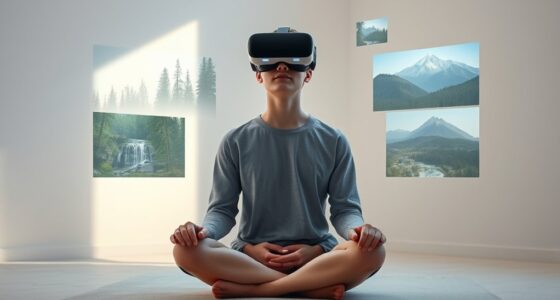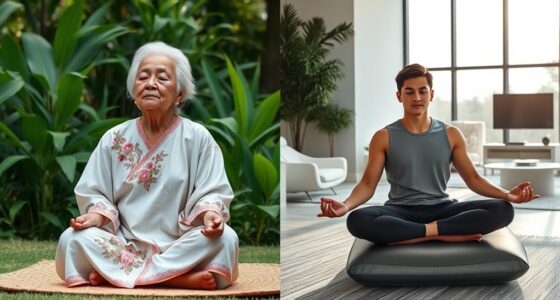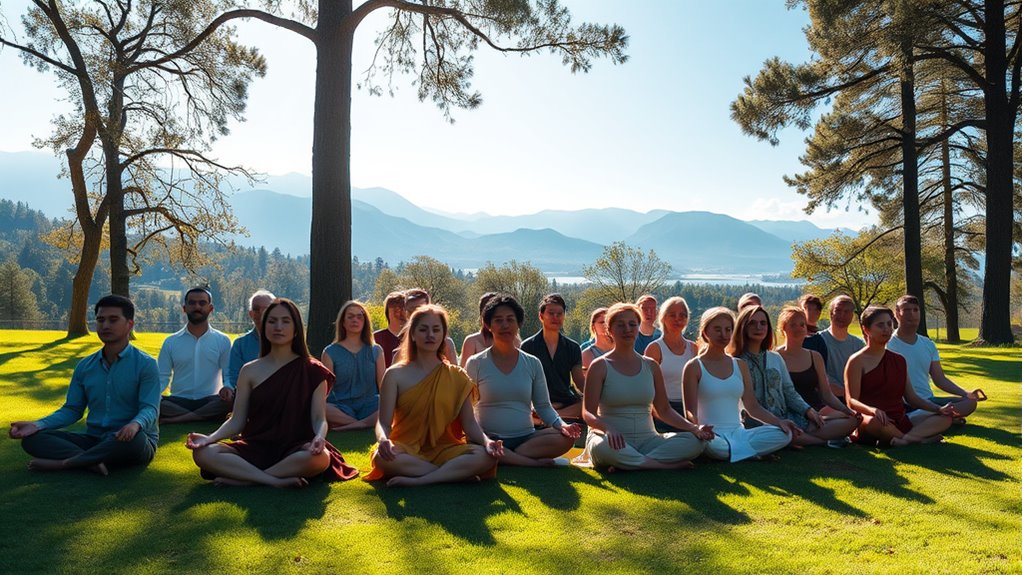

Joining a group meditation allows you to tap into collective energy, making your practice more powerful and enjoyable. It fosters a sense of community, helping you stay committed and focused. Using techniques like guided sessions, mantra repetition, or synchronized breathing makes it easier, especially if you’re new. Starting is simple—gather friends, choose a quiet space, and set a regular schedule. Keep exploring, and you’ll uncover even more ways to enhance your experience.
Key Takeaways
- Group meditation boosts focus, relaxation, and shared energy, creating a powerful, calming environment for participants.
- Techniques like guided sessions, mantra repetition, and breathing exercises are accessible for all skill levels.
- Benefits include enhanced community bonds, mutual support, and discovering new meditation approaches.
- To start, gather interested people, select a quiet space, choose techniques, and establish a regular schedule.
- Maintaining a welcoming atmosphere and consistent practice helps build confidence and harness collective energy effectively.

Group meditation offers a powerful way to deepen your practice by harnessing collective energy and shared focus. When you join others in a group setting, you tap into a dynamic environment that can enhance your meditation experience. The energy in the room often creates a sense of unity and purpose, making it easier to stay committed and focused. In these environments, you’re exposed to a variety of meditation techniques that are tailored to group settings, such as guided meditation, mantra repetition, or breathing exercises. These techniques help synchronize your mind with others, amplifying the calming effects and fostering a sense of community.
Participating in group meditation allows you to learn from others’ experiences and discover new approaches that you might not try on your own. For example, guided meditation led by an instructor can provide clear instructions and structure, making it easier to stay engaged and avoid wandering thoughts. Mantra repetition in a group setting offers a collective rhythm that can deepen your concentration and promote a sense of harmony. Breathing exercises, when practiced together, can synchronize your breath with the group, creating a ripple effect of tranquility throughout the space. These techniques are often designed to be accessible, even for beginners, and can be adapted to suit different levels of experience.
Starting your own group meditation practice doesn’t need to be complicated. You can gather friends, family, or colleagues who are interested in exploring meditation. Choose a quiet, comfortable space where everyone can sit undisturbed. Decide on a specific meditation technique or a guided session, and set a regular schedule to maintain consistency. It’s helpful to have a facilitator or someone familiar with meditation techniques to guide the session initially, so participants feel confident and engaged. Keep the atmosphere welcoming and non-judgmental, encouraging everyone to share their experiences and ask questions.
As you practice regularly in a group setting, you’ll notice how the collective energy enhances your focus and relaxation. The shared intention can create a potent environment where your individual meditation efforts are amplified. Additionally, understanding the underlying principles of AI security can help protect your shared digital environments and personal information during your practice. Over time, you may find that meditating in groups not only deepens your mindfulness but also strengthens your connection to others, fostering a sense of community and mutual support. Whether you attend local meditation groups or organize your own, engaging in group meditation is a valuable way to enrich your practice and experience the many benefits it offers.

A Clinician's Guide to Teaching Mindfulness: The Comprehensive Session-by-Session Program for Mental Health Professionals and Health Care Providers
As an affiliate, we earn on qualifying purchases.
As an affiliate, we earn on qualifying purchases.
Frequently Asked Questions
Can Group Meditation Help With Specific Mental Health Issues?
Yes, group meditation can help with specific mental health issues by promoting stress reduction and building emotional resilience. When you meditate with others, you often feel more supported, which helps ease anxiety, depression, or PTSD symptoms. The shared experience encourages a sense of community and accountability, making it easier to stay consistent. Over time, this collective practice can improve your overall mental well-being and help you better manage challenging emotions.
What Is the Ideal Group Size for Effective Meditation Sessions?
You should aim for a group size of 4 to 12 for effective meditation sessions. Smaller groups foster stronger group cohesion, enhance individual focus, and allow for personalized guidance. Larger groups can dilute the experience, reduce intimacy, and make maintaining a calm atmosphere challenging. Keep session durations between 20 to 45 minutes to maximize benefits, maintaining a balance between focus and relaxation, ensuring everyone stays engaged and centered throughout.
How Do I Find a Local Group to Join?
You can find a local meditation group by visiting nearby meditation centers or wellness spaces, which often host regular sessions. Check community boards or social media pages for in-person gatherings. Additionally, explore online meditation groups on platforms like Meetup or Facebook, where members organize local meetups. Joining these groups helps you connect with others, stay motivated, and deepen your practice in a supportive environment.
Are There Any Costs Associated With Group Meditation Classes?
Most group meditation classes have some cost considerations, but fees vary widely. Some classes are free or donation-based, making them accessible without financial strain. Others charge class fees that cover instructor time, venue, and materials. Before joining, check the specific class’s fee structure and any potential discounts. By doing this, you can find a meditation group that fits your budget while offering valuable guidance and community support.
Is Prior Meditation Experience Necessary to Join a Group?
No, prior meditation experience isn’t necessary to join a group. Many beginner-friendly sessions are designed for individuals with no experience, so you can easily start regardless of your individual experience level. These classes often provide guidance and support, helping you learn meditation techniques comfortably. You’ll find that joining a group is a great way to build your practice, meet others, and deepen your understanding of meditation.

HIMALAYAN HEALING® Tibetan Singing Bowls Set~ Meditation Sound Bowl hand Hammered in Nepal For Yoga, Meditation, Mindfulness, Healing & Chakra balancing~
💚 Hand Made by Local Artisans: Singing Bowls from Himalayan Healing are hand-hammered in the foothills of Nepal…
As an affiliate, we earn on qualifying purchases.
As an affiliate, we earn on qualifying purchases.
Conclusion
Just like the wise sages of old gathered in harmony, you can tap into the profound benefits of group meditation. By joining others, you harness collective energy that deepens your practice and cultivates peace. Remember, even the greatest leaders understood the power of unity. So, take that first step today—connect with a group, breathe together, and access a shared tranquility that transforms your mind and spirit, turning meditation into a timeless voyage of self-discovery.
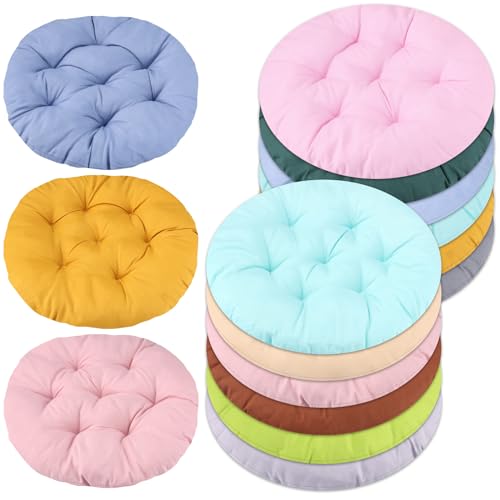
Sibosen 12 Pcs 16 Inch Round Floor Pillows Seating for Kids Adults Colorful Flexible Seating Pillows Chair Floor Cushions Reading Cushions for Classroom Home School Playing Yoga Meditation, 12 Colors
Package Includes: You will receive 12 round floor pillows in 12 different colors. The round classroom floor cushions…
As an affiliate, we earn on qualifying purchases.
As an affiliate, we earn on qualifying purchases.

LED Adjustable Meditation Timer Hourglass with 1-99 Minutes preset | Pomodoro Technology Visual Hourglass and Productivity Silence Kids/Adult Time Management Tool | ADHD Dining Table Timer and Focus
Adjustable visual timer, 1-99 minutes preset:The cube's timer provides quick selection of presets (1-99 minutes) for Pomodoro, Speed…
As an affiliate, we earn on qualifying purchases.
As an affiliate, we earn on qualifying purchases.