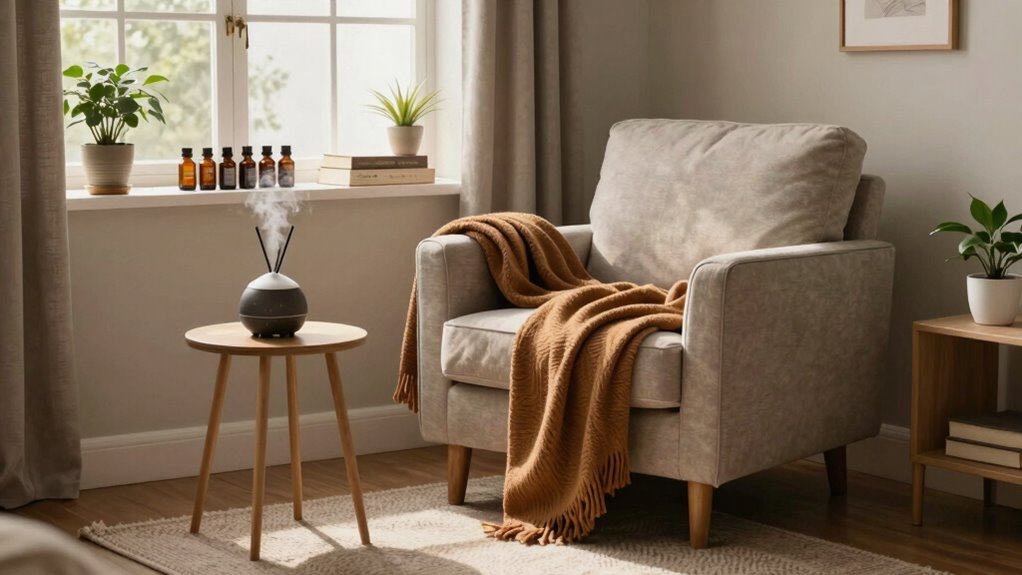

The most overlooked decision in creating a home recovery corner is its placement. You might focus on furniture or decor, but without positioning it thoughtfully, you could sacrifice comfort and accessibility. Choosing a spot near natural light, low-traffic areas, and your essential rooms makes a big difference. Proper placement boosts recovery, mood, and peace of mind. If you keep exploring, you’ll discover how to select the best location to truly support your healing space.

Get beauty and skincare favorites delivered free with Prime
- Fast, free delivery on millions of items
- Prime Video, Amazon Music and more included
- Member-only deals all year
Key Takeaways
- Proper placement ensures easy access to essentials and minimizes unnecessary movement during recovery.
- Strategic location near natural light and quiet areas enhances comfort and promotes healing.
- Placement impacts lighting, ventilation, and overall ambiance, influencing mood and relaxation.
- Choosing a spot close to functional areas like the bathroom or kitchen improves convenience.
- Thoughtful positioning transforms the recovery corner into a supportive, clutter-free sanctuary.
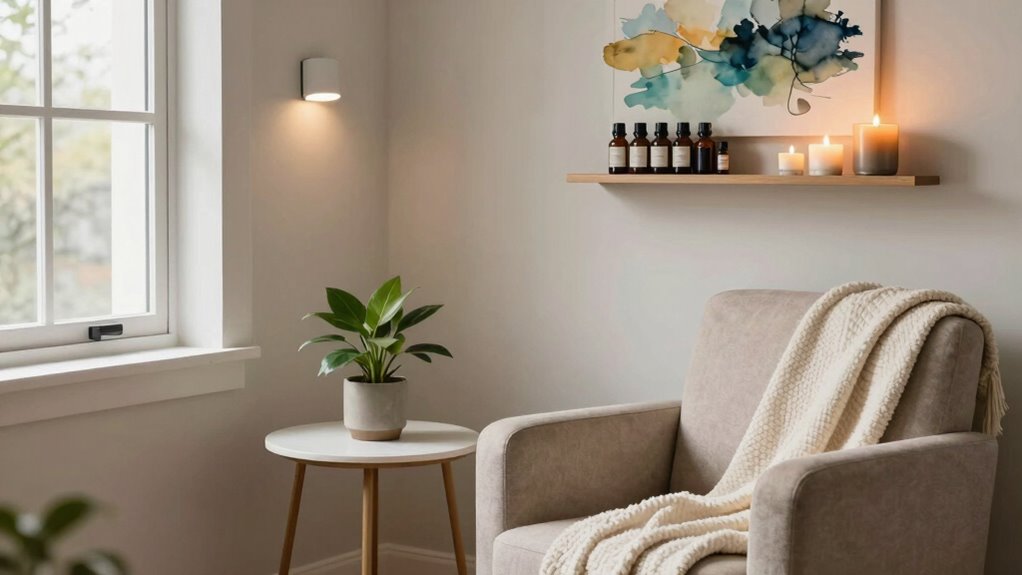
Have you ever wondered where to best place a recovery corner in your home? It’s a question that often gets overlooked because people focus on the furniture, decor, or the purpose of the space itself. But the truth is, placement is one of the most critical decisions you’ll make. The right spot can make your recovery corner more functional and comforting, while a poor choice can turn it into an inconvenient or even unusable area.
First, consider the lighting options. Natural light is ideal, so if you can position your recovery corner near a window, you’ll create a space that feels open and uplifting. If natural light isn’t available or sufficient, think about adding layered lighting. Soft, adjustable lamps or wall-mounted fixtures can provide gentle illumination that’s easy on your eyes and promotes relaxation. Avoid harsh overhead lights that may cause discomfort or glare. Proper lighting isn’t just about visibility; it influences your mood and helps create a calming environment, which is vital during recovery. Incorporating appropriate lighting solutions can significantly enhance the ambiance and functionality of your space.
Natural light enhances recovery spaces; layered, soft lighting fosters relaxation and a calming environment.
Next, focus on storage solutions. Your recovery corner should be organized and clutter-free, so choose a spot that allows easy access to supplies and essentials. Incorporate shelves, baskets, or cabinets nearby to keep everything within reach without crowding the space. Placement near existing storage areas or in a corner that can be easily equipped with storage units saves you from having to trek across the room for supplies. Avoid locations that require you to move around excessively or disrupt your rest, such as high-traffic areas or spots that are difficult to access. The goal is to create a self-contained, easily manageable space that minimizes effort and maximizes comfort. Considering home layout can help you identify the most efficient placement, especially when planning for spatial organization.
Another key aspect is proximity to other functional areas. If your recovery involves frequent use of the bathroom, kitchen, or a quiet corner of the living room, position your recovery nook accordingly. This makes it easier to shift between activities without extra movement or effort, which can be vital if you’re limited physically or emotionally. Also, consider the overall ambiance—placing your recovery corner in a quiet, low-traffic area helps maintain peace and privacy, essential for healing and relaxation. Additionally, choosing a spot with adequate lighting and ventilation can significantly enhance your comfort and recovery experience. Evaluating your home’s natural airflow and light sources can help you make more informed placement decisions.
Ultimately, the most overlooked decision in setting up your recovery corner is where you put it. Thoughtful placement, considering lighting options and storage solutions, ensures this space truly serves its purpose. It’s worth taking the time to evaluate your home’s layout and your specific needs. When you choose the right spot, your recovery corner becomes a sanctuary—accessible, comfortable, and perfectly suited to support your healing process.
As an affiliate, we earn on qualifying purchases.
Frequently Asked Questions
How Do I Choose the Best Spot for My Recovery Corner?
You should choose a spot with good natural light and a quiet atmosphere for your recovery corner. Arrange furniture comfortably to create a calming space, and consider the flow of the room to avoid clutter. Personalize the decor with meaningful items to make it inviting. Think about accessibility and privacy, ensuring you can relax easily without distractions, making your recovery corner both functional and soothing.
Should I Consider Natural Light When Placing My Recovery Area?
Yes, you should consider natural light when placing your recovery area. Sunlight benefits include boosting mood, improving sleep, and providing a calming environment. Position your recovery corner near a window with good window placement to maximize these benefits. Avoid direct sunlight that can cause glare, but aim for soft, indirect light. This natural illumination creates a welcoming space that promotes healing and comfort during your recovery.
Can Noise Levels Affect the Effectiveness of My Recovery Corner?
They say “sound is half of the experience,” and it’s true for your recovery corner. Noise levels can substantially impact your healing, so consider soundproofing techniques like thick curtains or foam panels. Using noise-canceling devices can also help block disruptive sounds. Creating a calm environment allows you to focus on your recovery, making noise control an essential part of your space’s effectiveness.
How Much Space Is Ideal for a Home Recovery Corner?
You should allocate at least a dedicated corner with enough space for your decorative accessories and comfort, typically around 4×4 feet or larger. Make sure there’s room for safety precautions, like clear pathways and easy access to essential items. This setup helps create a calming environment, allowing you to focus on recovery without feeling cramped or overwhelmed. Prioritize a balance between cozy decor and safety to optimize your recovery space.
Should the Recovery Corner Be Close to Essential Supplies?
Yes, your recovery corner should be close to essential supplies for quick access during emergencies. This supports emergency preparedness, so you won’t waste precious time searching for bandages, medications, or tools. Also, make certain the space has an ergonomic design to keep you comfortable and safe, especially if you’ll be using it frequently. Placing it nearby minimizes movement and stress, making recovery easier and more efficient.
adjustable wall-mounted reading light
As an affiliate, we earn on qualifying purchases.
As an affiliate, we earn on qualifying purchases.
Conclusion
You might think all you need is the right supplies, but placement truly makes or breaks your recovery corner. Imagine having everything within arm’s reach, yet tucked away in a cluttered corner—your recovery efforts suffer. The truth is, a well-placed corner isn’t just convenient; it’s a game-changer. When you organize thoughtfully, you create a space that encourages healing and comfort. So, don’t overlook placement—your recovery journey depends on it.
clutter storage baskets for recovery space
As an affiliate, we earn on qualifying purchases.
As an affiliate, we earn on qualifying purchases.
compact storage cabinets for small spaces
As an affiliate, we earn on qualifying purchases.
As an affiliate, we earn on qualifying purchases.
Fall Picks
fall essentials
As an affiliate, we earn on qualifying purchases.