

To deal with impostor syndrome, recognize that self-doubt is common, especially when facing new challenges. Build confidence by keeping track of your achievements and reminding yourself of your growth. Embrace mistakes as learning opportunities and surround yourself with supportive people who offer honest feedback. Reframe negative thoughts, challenge feelings of inadequacy, and practice self-compassion. Developing resilience takes time, but with consistent effort, you can shift your perspective and uncover your true potential—more strategies await to guide you.
Key Takeaways
- Recognize impostor syndrome as a perception issue, not a reflection of actual ability.
- Keep a record of achievements to reinforce confidence and provide an objective view of progress.
- Embrace mistakes as learning opportunities and step into new challenges without fear of failure.
- Seek support from mentors or colleagues to gain encouragement and honest feedback.
- Reframe negative thoughts by challenging self-doubt and focusing on your growth and accomplishments.

If you often feel like a fraud despite your accomplishments, you’re not alone. Many people experience self-doubt, especially when they’re charting new challenges or stepping into unfamiliar roles. Impostor syndrome can make you believe that your success is just luck or a fluke, rather than a reflection of your skills and effort. The good news is, you can work on confidence building to counteract these feelings. Recognizing that self-doubt is a common experience is the first step toward managing it effectively. Instead of letting these doubts control your mindset, focus on small, tangible actions that reinforce your competence. For example, keep a record of your achievements, no matter how minor they seem. When self-doubt creeps in, revisit that list to remind yourself of your capabilities. This practice helps you see your progress objectively, rather than through a lens clouded with insecurity.
Confidence building doesn’t happen overnight, but consistent effort makes a difference. Embrace opportunities to learn and grow, even if they involve mistakes. Each mistake is a chance to improve and demonstrates that you’re willing to take risks—a crucial part of overcoming impostor feelings. When you step into new projects, remind yourself that it’s okay not to have all the answers immediately. Trust in your ability to learn and adapt. Surround yourself with supportive colleagues or mentors who can affirm your strengths and provide honest feedback. Their encouragement can help dilute feelings of self-doubt and boost your confidence.
Practicing self-compassion is another essential strategy. Instead of criticizing yourself for perceived shortcomings, treat yourself with kindness and understanding. Remember that everyone, no matter how successful, faces moments of uncertainty. Challenge the negative thoughts that fuel impostor feelings by questioning their validity. Are you truly unqualified, or are you just experiencing a temporary dip in confidence? Often, these thoughts are exaggerated or unfounded. Recognizing this allows you to reframe your mindset toward one of self-assurance. Additionally, strengthening your connection to your inner peace through mindfulness can help create a more resilient mindset against self-doubt inner peace.
Finally, recognize that impostor syndrome isn’t about lacking talent; it’s about how you perceive your achievements. By actively working on confidence building and reducing self-doubt, you can start to see yourself in a more balanced light. Remember, your accomplishments are real, and they’re a proof of your abilities. Don’t let impostor feelings undermine your success—use them as signals to reinforce your self-belief. Over time, with persistence and self-awareness, you’ll find it easier to accept your worth and confidently step into your achievements.

Compendium – Confidence Every Day Guided Journal: A Daily Practice for Strength and Courage – A 5-Minute a Day Personal Growth Notebook – An Inspiring Daily Journal for Forming New Habits
INSPIRE COURAGE AND COMPASSION: Filled with themed quotes, simple exercises, daily pages, and reflection spaces, this personal growth…
As an affiliate, we earn on qualifying purchases.
As an affiliate, we earn on qualifying purchases.
Frequently Asked Questions
Can Impostor Syndrome Affect Anyone Regardless of Success Level?
Impostor syndrome can affect anyone, regardless of success level, because self-doubt is universal. You might believe success means you’re immune, but misconceptions exist. Even highly accomplished people experience feelings of fraudulence. Recognizing this helps you understand you’re not alone. It’s normal to doubt yourself, but addressing these feelings can boost your confidence. Remember, impostor syndrome doesn’t discriminate; it’s a common experience that many successful individuals face.
How Long Does Impostor Syndrome Typically Last?
Impostor syndrome can last anywhere from a few days to several years, depending on your emotional resilience and efforts to address it. The duration uncertainty might make you feel like it’s a never-ending battle, but with consistent self-awareness and support, you can shorten its grip. Remember, this isn’t a permanent state—your proactive mindset and strategies can help you overcome these feelings faster.
Are There Specific Industries More Prone to Impostor Feelings?
Certain industries are more prone to impostor feelings due to sector vulnerabilities and industry patterns. Tech, finance, and academia often see higher rates because of rapid innovation, high competition, and constant performance pressure. If you work in these sectors, you might notice impostor syndrome more frequently. Recognizing these patterns helps you understand that you’re not alone and encourages you to develop strategies tailored to your industry’s unique challenges.
What Are Quick Tips to Recognize Impostor Syndrome Early?
Impostor syndrome can sneak in like a thief in the night. To catch it early, boost your self-awareness and tune into emotional cues like anxiety or self-doubt. Notice when you’re dismissing your achievements or feeling like a fraud despite success. These signals help you recognize impostor feelings before they spiral. Trust your instincts and reflect on your accomplishments—this awareness keeps impostor syndrome at bay and empowers your confidence.
Does Impostor Syndrome Impact Mental Health Over Time?
Yes, impostor syndrome can impact your mental health over time. It erodes your self-esteem and causes anxiety escalation, making you doubt your abilities and feel inadequate. This ongoing struggle can lead to chronic stress, burnout, and even depression. Recognizing these signs early helps you take steps to build confidence, seek support, and prevent long-term mental health issues associated with persistent impostor feelings.

Wise Confidence: Overcome Self-Doubt and Build Lasting Self-Esteem
As an affiliate, we earn on qualifying purchases.
As an affiliate, we earn on qualifying purchases.
Conclusion
Remember, impostor syndrome is like a shadow that tries to follow you, but it can’t define your true light. Embrace your achievements and trust in your journey, knowing that confidence is a muscle you build with each step. When doubt whispers, stand tall and shine brighter. You’re the author of your success story, and no shadow can dim the brilliance of your authentic self. Keep moving forward—you’re more capable than you realize.
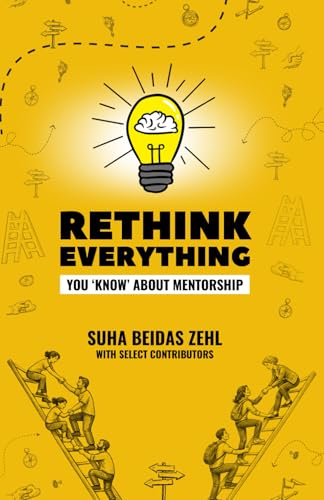
Rethink Everything You 'Know' About Mentorship
As an affiliate, we earn on qualifying purchases.
As an affiliate, we earn on qualifying purchases.

Jinei 300 Inspirational Affirmation Cards Employee Appreciation Week Gifts Positive Daily Motivational Cards Small Mini Encouragement Quotes for Women Coworker Team(Flower Style)
Meaningful Design: affirmation cards for women feature a variety of positive quotes, embellished with beautiful flowers, elegant and…
As an affiliate, we earn on qualifying purchases.
As an affiliate, we earn on qualifying purchases.