
To design inclusive wellness programs for diverse needs, focus on adaptability and cultural sensitivity. Tailor activities to individual abilities, considering age, health, and cultural backgrounds, and use respectful language. Incorporate community input and celebrate diversity to foster a sense of belonging. Use outdoor settings or environmentally friendly options when possible. By intentionally planning with these principles, you create programs that genuinely support everyone’s well-being. Continuing will reveal how to implement these strategies effectively.

Get beauty and skincare favorites delivered free with Prime
- Fast, free delivery on millions of items
- Prime Video, Amazon Music and more included
- Member-only deals all year
Key Takeaways
- Tailor activities and equipment to accommodate varying ability levels, injuries, and age-related limitations.
- Incorporate culturally relevant practices, languages, and community input to ensure inclusivity.
- Use adaptive strategies to modify routines, promoting participation for individuals with diverse needs.
- Foster an environment of respect and cultural competence to build trust and engagement among all participants.
- Integrate environmental considerations like natural settings to create accessible, memorable wellness experiences.
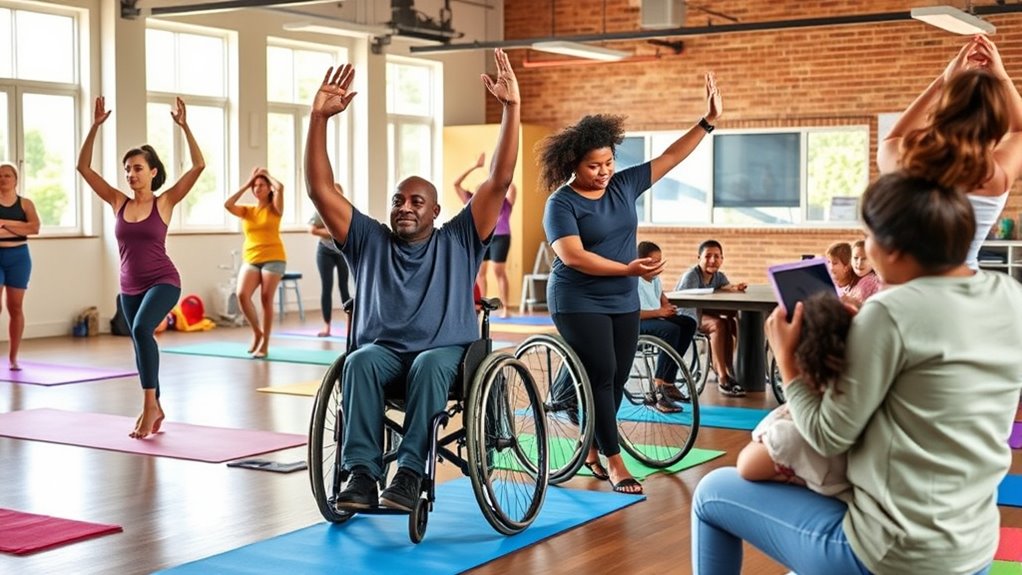
Have you ever wondered if wellness efforts truly include everyone? When designing programs, it’s essential to recognize that people come from diverse backgrounds, abilities, and experiences. Incorporating adaptive fitness into your initiatives is a powerful way to guarantee that all participants can engage meaningfully. Adaptive fitness involves tailoring exercises and activities to meet individual needs, whether someone is recovering from an injury, managing a disability, or facing age-related limitations. Instead of offering a one-size-fits-all approach, you can modify routines, provide accessible equipment, or introduce alternative movements that accommodate various abilities. This not only promotes inclusivity but also encourages a sense of achievement and confidence among all participants. It sends a clear message: wellness isn’t reserved for the young, the able-bodied, or the privileged. It’s for everyone.
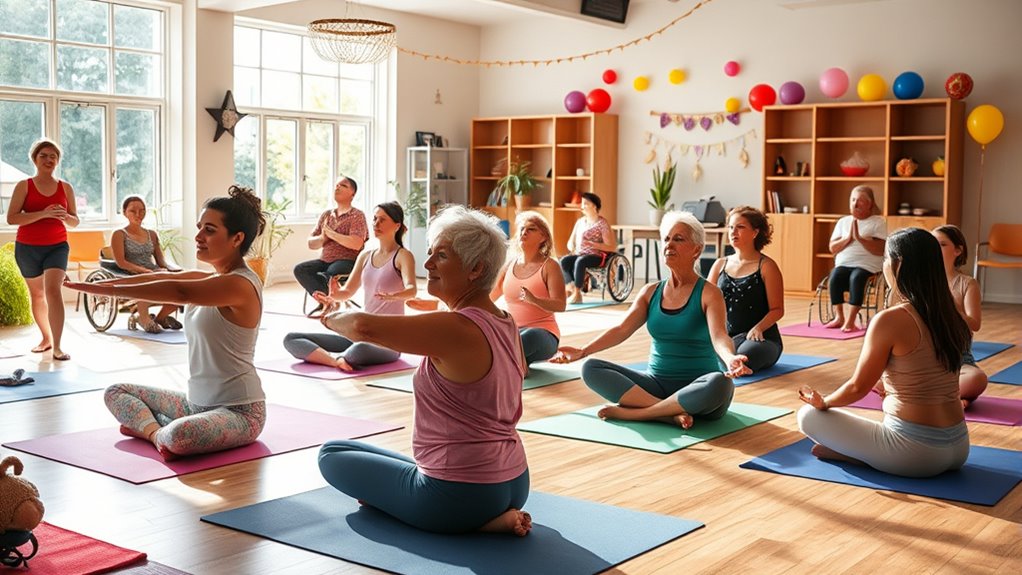
Inclusive wellness celebrates diversity by adapting activities to meet everyone’s unique needs and abilities.
Equally important is cultivating cultural competence within your wellness programs. Cultural competence means you’re aware of, respectful toward, and responsive to the unique cultural backgrounds of your participants. It’s about understanding that health beliefs, practices, and preferences differ widely across communities. For example, some cultures may prioritize group activities or spiritual practices over individual workouts, while others might have specific dietary restrictions or taboos. When you educate yourself about these nuances, you can design programs that resonate more deeply with diverse groups. This might involve offering language-specific instructions, involving community leaders, or incorporating culturally meaningful activities. By doing so, you foster trust and create an environment where everyone feels valued and understood.
In practice, this means listening actively to feedback from your community and adjusting your approaches accordingly. It also involves ongoing learning—staying curious about different cultures, abilities, and experiences. When you combine adaptive fitness strategies with cultural competence, you break down barriers that might otherwise exclude certain groups. You demonstrate that wellness is adaptable and inclusive, not rigid or exclusive. This approach encourages participation from a broader spectrum of people, enriching your program and fostering a sense of belonging. Additionally, understanding the importance of environmental considerations such as low light pollution and natural landscapes can enrich outdoor wellness activities, making experiences more memorable and sustainable.
Ultimately, inclusive wellness isn’t just about offering varied options; it’s about respecting and embracing diversity at every level. It requires intentional effort, open-mindedness, and a willingness to learn. When you prioritize adaptive fitness and cultural competence, you create a space where everyone feels seen, supported, and empowered to pursue their health goals. That’s the true power of inclusive wellness—making health and well-being accessible and meaningful for all.
adaptive fitness equipment for seniors
As an affiliate, we earn on qualifying purchases.
As an affiliate, we earn on qualifying purchases.
Frequently Asked Questions
How Can Programs Accommodate Mental Health Differences?
You can accommodate mental health differences by incorporating mindfulness practices into your programs, helping individuals manage stress and emotional challenges. Encourage peer support networks so participants feel connected and supported by others with similar experiences. Tailor activities to meet diverse needs, offering flexible options and resources. This approach fosters an inclusive environment where everyone feels valued, understood, and empowered to prioritize their mental well-being.
What Strategies Ensure Cultural Sensitivity in Wellness Initiatives?
You should prioritize cultural awareness and community engagement to guarantee your wellness initiatives are sensitive. By actively listening to diverse voices, you understand different perspectives, much like appreciating varied flavors in a dish. Incorporate local traditions, language, and customs into your programs. Engage with community leaders and members regularly, fostering trust and understanding. This approach helps you create inclusive, respectful wellness programs that resonate deeply with every cultural background.
How Do Programs Support Disabilities Effectively?
You support disabilities effectively by integrating adaptive technology into wellness programs, allowing everyone to participate fully. Additionally, you provide accessibility training to staff, ensuring they understand how to assist individuals with diverse needs. By actively implementing these strategies, you create an inclusive environment where all participants feel valued and empowered, promoting equitable access and engagement in wellness activities. This approach fosters a truly supportive and accessible wellness experience.
What Role Does Language Diversity Play in Wellness Design?
You might think language diversity isn’t a big deal, but ignoring it can derail wellness programs fast. Multilingual communication shows your cultural competence, making everyone feel seen and heard. When you design with language in mind, you create a truly inclusive space where diverse voices thrive. It’s not just about words; it’s about respect and understanding, turning wellness programs into welcoming environments for all, no matter their language.
How Can Feedback Improve Inclusivity in Wellness Programs?
Feedback boosts inclusivity by increasing participant engagement and enhancing program accessibility. When you listen to participants’ experiences and suggestions, you identify barriers and tailor activities to diverse needs. This ongoing dialogue fosters a welcoming environment where everyone feels valued and understood. Actively seeking feedback helps you adapt your wellness program, ensuring it remains inclusive, accessible, and effective for all participants, regardless of their backgrounds or abilities.
culturally inclusive wellness program supplies
As an affiliate, we earn on qualifying purchases.
As an affiliate, we earn on qualifying purchases.
Conclusion
By embracing inclusive wellness, you open the door to a world where everyone’s needs are met. Remember, you can’t please all the people all the time, but with genuine effort, you can create programs that truly resonate. When you design with empathy and flexibility, you build a foundation where diversity flourishes. So, keep your eyes on the prize and stay committed—you’re planting seeds that will blossom into a healthier, more connected community.
accessible outdoor exercise gear
As an affiliate, we earn on qualifying purchases.
As an affiliate, we earn on qualifying purchases.
adaptive exercise routines for disabilities
As an affiliate, we earn on qualifying purchases.
As an affiliate, we earn on qualifying purchases.
Halloween Picks
halloween
As an affiliate, we earn on qualifying purchases.