

Understanding what coverage you need depends on your personal circumstances, risks, and budget. You should consider essential policies like health, auto, home, and life insurance to protect against unexpected costs. Choose plans with appropriate limits and deductibles to avoid overpaying or being underinsured. Knowing the differences helps you make smarter decisions. If you want to learn more about selecting the right coverage for your needs, keep exploring these insurance basics.
Key Takeaways
- Assess your personal risks and needs to determine essential coverage, such as health, auto, or home insurance.
- Understand policy types and coverage options to select plans that match your lifestyle and financial situation.
- Consider policy limits, deductibles, and exclusions to ensure adequate protection without overpaying.
- Review the claim process and required documentation for each policy to facilitate smooth and prompt claims.
- Regularly reevaluate your coverage as circumstances change to maintain appropriate and cost-effective protection.

Have you ever wondered how insurance really works? It’s more than just paying a monthly premium; it’s about protecting yourself from unexpected financial burdens. When you start exploring insurance options, you’ll notice there are different policy types designed to suit various needs. From health to auto, home, and life insurance, each policy type offers specific coverage tailored to different situations. Understanding these options helps you choose the right coverage for your circumstances. For example, health insurance policies can vary from basic coverage to extensive plans, while auto insurance might include liability, collision, or all-encompassing coverage. Knowing the differences enables you to make informed decisions and avoid paying for coverage you don’t need.
Once you’ve selected a policy type, it’s important to understand how the claim process works. When an incident occurs—say, you get into a car accident or your home sustains damage—you’ll need to file a claim with your insurance provider. This process involves notifying your insurer about the incident, providing necessary documentation, and sometimes, cooperating with adjusters or investigators. Many people worry about how complicated or lengthy this process can be, but most insurers aim to make it straightforward. Filing a claim promptly and accurately ensures that your insurer can assess the situation quickly and determine coverage eligibility. It’s vital to read your policy carefully so you know what’s covered and what isn’t, which can help streamline the claim process and avoid surprises.
Different policy types also have different procedures and requirements for claims. For example, health insurance claims often involve submitting medical bills and health provider reports, while auto insurance claims might require police reports and photos of the accident. Knowing what to expect can save you time and frustration when you need to make a claim. It’s also wise to keep records of all communications, receipts, and documents related to the incident. This documentation can support your claim and help prevent delays or disputes. Moreover, understanding your policy’s limits, deductibles, and exclusions is essential—these factors impact what you’ll receive in a payout and how much you’ll pay out-of-pocket.

Affordable Health Insurance Made Simple: A Step-by-Step Guide to Health Insurance in the United States — Marketplace Plans, Self-Employed Coverage, Deductibles & Smart Enrollment
As an affiliate, we earn on qualifying purchases.
As an affiliate, we earn on qualifying purchases.
Frequently Asked Questions
How Do I Determine the Right Coverage Limits for My Needs?
To determine the right coverage limits, start with a thorough coverage assessment and risk evaluation of your personal situation. Consider your assets, liabilities, and potential risks you face. Think about worst-case scenarios and how much protection you’d need to stay financially secure. Consult with an insurance agent if needed, and regularly review your coverage to guarantee it aligns with any changes in your life or financial circumstances.
What Factors Affect My Insurance Premiums the Most?
Your insurance premiums are mainly affected by your deductible amounts and insurance history. Choosing higher deductibles can lower your premiums, but you’ll pay more out-of-pocket during claims. Your insurance history, including past claims and coverage gaps, also plays a significant role; a clean record often results in lower rates. Staying consistent with coverage and maintaining a good record helps you secure better premiums over time.
Are There Discounts Available for Bundling Multiple Policies?
Yes, you can often get discounts for bundling multiple policies. These multi-policy discounts reduce your overall premium and make managing your coverage easier. By bundling benefits, you not only save money but also enjoy the convenience of having all your policies with one provider. Check with your insurance company to see what multi-policy discounts are available and how much you can save by consolidating your coverage.
How Often Should I Review or Update My Insurance Coverage?
You should review your insurance coverage at least once a year or during your policy renewal period. Regular coverage evaluation helps make sure your policies match your current needs, especially if you’ve experienced major life changes or acquired new assets. Don’t wait until a claim or coverage gap occurs—proactively update your policies to stay protected and potentially save money on premiums. Make it a habit for ongoing financial security.
What Is the Process for Filing a Claim and How Long Does It Take?
Picture your claim as a river flowing toward a bridge. To start the claims process, you notify your insurer, providing details and documentation. They review your claim, which can take anywhere from days to weeks, depending on complexity. The claim timeline varies, but staying in touch helps. Once approved, your payout flows smoothly, like water under the bridge, helping you move forward after your loss.
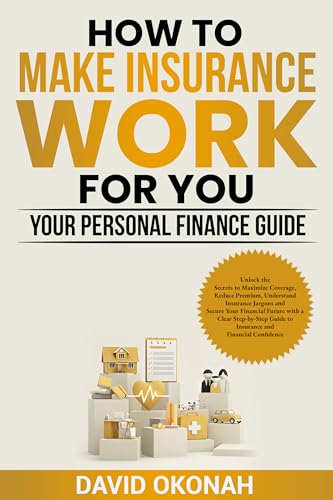
How to Make Insurance Work for you: Your Personal Finance Guide
As an affiliate, we earn on qualifying purchases.
As an affiliate, we earn on qualifying purchases.
Conclusion
Remember, choosing the right coverage isn’t just about protecting your assets—it’s about securing your peace of mind. Like a lighthouse guiding ships safely through stormy seas, your insurance shields you from unforeseen storms ahead. Don’t wait until the tide turns; review your policies now. By understanding your needs and staying prepared, you’re building a fortress that stands firm, no matter what life throws your way. Your future safety depends on the choices you make today.

Premium Flood Prevention Washing Machine Hose Set w/Integrated Automatic Water Shutoff Valve, 5-Year MFG. Insurance Policy & Warranty (5 ft.)
INSURANCE POLICY INCLUDED – Manufacturer offers a 5-year Product Warranty and a 5-year Insurance Policy for any water…
As an affiliate, we earn on qualifying purchases.
As an affiliate, we earn on qualifying purchases.

Rescuing Life Insurance Policies For Seniors: A Golden Opportunity To Be A Financial Hero!
As an affiliate, we earn on qualifying purchases.
As an affiliate, we earn on qualifying purchases.