

Journaling helps you release pent-up emotions and gain clarity by processing feelings deeply. When you write mindfully, focusing on your breath and sensations, you create a safe space for emotions to surface naturally. Using creative techniques like poetry or storytelling, you can explore feelings from new angles, promoting healing. By dedicating time to this practice, you’ll uncover insights that bring emotional relief and understanding. Keep exploring, and you’ll discover ways to make your journaling even more transformative.
Key Takeaways
- Journaling helps process intense feelings, providing emotional relief and promoting healing.
- Incorporating mindfulness during journaling enhances emotional awareness and clarity.
- Using creative writing techniques facilitates deeper emotional exploration and understanding.
- Establishing dedicated, distraction-free time encourages consistent emotional release.
- Focusing on bodily sensations and thoughts creates a safe space for authentic emotional expression.

Have you ever felt overwhelmed by your emotions and wondered how to find relief? Many people experience intense feelings that seem too heavy to carry alone. Journaling offers a powerful way to process these emotions, providing both clarity and emotional release. One way to enhance this process is by incorporating mindfulness techniques into your writing. When you approach your journal with mindfulness, you become fully present in the moment, observing your thoughts and feelings without judgment. This practice helps you slow down and really connect with what you’re experiencing, instead of rushing through your emotions or suppressing them. As you write, focus on your breath, notice the sensations in your body, and pay attention to the thoughts that surface. This mindful approach creates a safe space for your emotions to surface naturally, making your journaling more effective for emotional release. Additionally, understanding the importance of emotional processing can deepen your journaling experience and promote healing. Creative writing can also deepen your journaling experience. Instead of simply recording your thoughts, you can experiment with different styles—poetry, metaphors, or storytelling—to express what’s inside. This form of creative writing unlocks parts of your mind that might stay hidden if you stick to plain entries. For example, you might write a letter to your feelings, personifying them and giving them a voice. Or craft a short story that symbolizes your struggles and hopes, allowing you to explore complex emotions indirectly. This creative approach makes journaling engaging and can help you see your situation from new perspectives, ultimately leading to greater understanding and relief.
To make the most of these techniques, set aside a dedicated time for journaling when you can focus without interruptions. Begin by taking a few deep breaths to center yourself, then start writing about what you’re feeling right now. Use mindfulness to stay present with your emotions, observing them without judgment or trying to change them. When you hit a block, switch gears and write creatively—describe your feelings as if they were characters or scenes. This combination of mindfulness and creative writing creates a dynamic process that not only releases pent-up emotions but also clarifies what those emotions mean to you.

Life & Apples Journal for Women – Guided Mindfulness Journaling Notebook with prompts – for Improved Mental Health, Less Anxiety & Stress, More Positivity & Resilience – A5 Tune-in Sage Green
BOOST YOUR MENTAL WELLNESS – Daily journal for women with prompts to help improve mental health, reduce anxiety,…
As an affiliate, we earn on qualifying purchases.
As an affiliate, we earn on qualifying purchases.
Frequently Asked Questions
How Long Should I Journal for Optimal Emotional Release?
You should journal for about 15 to 30 minutes to achieve ideal emotional release. This timing allows you to explore your feelings deeply without feeling overwhelmed. Focus on emotional depth, allowing your thoughts to flow freely, which helps process intense emotions effectively. If you find yourself running out of things to say, it’s okay to pause and return later. Consistency matters more than duration, so make journaling a regular habit.
Can Journaling Replace Therapy for Emotional Healing?
No, journaling can’t replace therapy, even if it feels like a magic fix. While self-reflection and emotional processing through writing are powerful tools, they lack the professional guidance and deep insight therapy offers. Think of journaling as a helpful supplement, not a substitute. You still need trained therapists to navigate complex feelings, but journaling can enhance your emotional healing journey by clarifying your thoughts and feelings along the way.
What Are the Best Journaling Prompts for Emotional Clarity?
To gain emotional clarity, try prompts that encourage mindfulness techniques and creative expression. Ask yourself, “What am I feeling right now?” or “What thoughts are recurring?” Write freely about your experiences or visualize a calming scene. These prompts help you process emotions and gain insight. You can also explore your hopes and fears, using journaling as a mindful, creative tool to understand yourself better and find inner peace.
Is It Helpful to Journal Daily or Only During Emotional Crises?
Think of journaling as watering a plant—daily practice helps it grow stronger. You’ll find that journaling daily boosts emotional awareness and provides consistency benefits, making it easier to handle crises when they arise. While journaling during emotional crises is helpful, regular writing creates a habit that fosters ongoing clarity and resilience. So, integrating daily journaling into your routine supports your emotional health even during calm moments.
How Do I Handle Overwhelming Emotions That Arise While Journaling?
When overwhelming emotions come up while journaling, take a deep breath and pause. Use mindfulness techniques like grounding exercises or focusing on your breath to stay present. Set emotional boundaries by reminding yourself it’s okay to stop or switch topics. You can also write a calming affirmation or take a break. Practicing these steps helps you manage intense feelings, making journaling a safe space for expression and clarity.
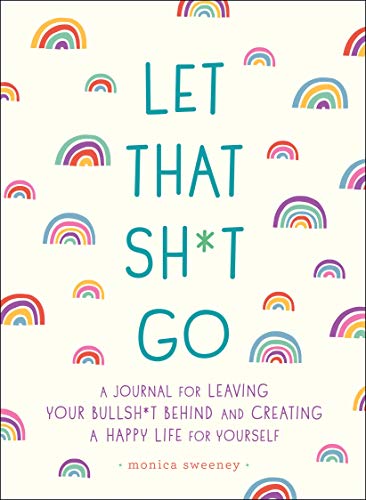
Let That Sh*t Go: A Journal for Leaving Your Bullsh*t Behind and Creating a Happy Life (Zen as F*ck Journals)
As an affiliate, we earn on qualifying purchases.
As an affiliate, we earn on qualifying purchases.
Conclusion
By now, you can see how journaling helps you release emotions and gain clarity. It’s a simple yet powerful tool that allows you to process feelings and understand yourself better. When you put pen to paper, you give yourself permission to be honest and vulnerable. So, why not give it a try? How might your life change if you made journaling a regular part of your emotional self-care routine? Start today and see the difference it can make.

The Mindfulness Journal: Daily Practices, Writing Prompts, and Reflections for Living in the Present Moment
As an affiliate, we earn on qualifying purchases.
As an affiliate, we earn on qualifying purchases.

52-Week Mental Health Journal: Guided Prompts and Self-Reflection to Reduce Stress and Improve Well-Being
As an affiliate, we earn on qualifying purchases.
As an affiliate, we earn on qualifying purchases.