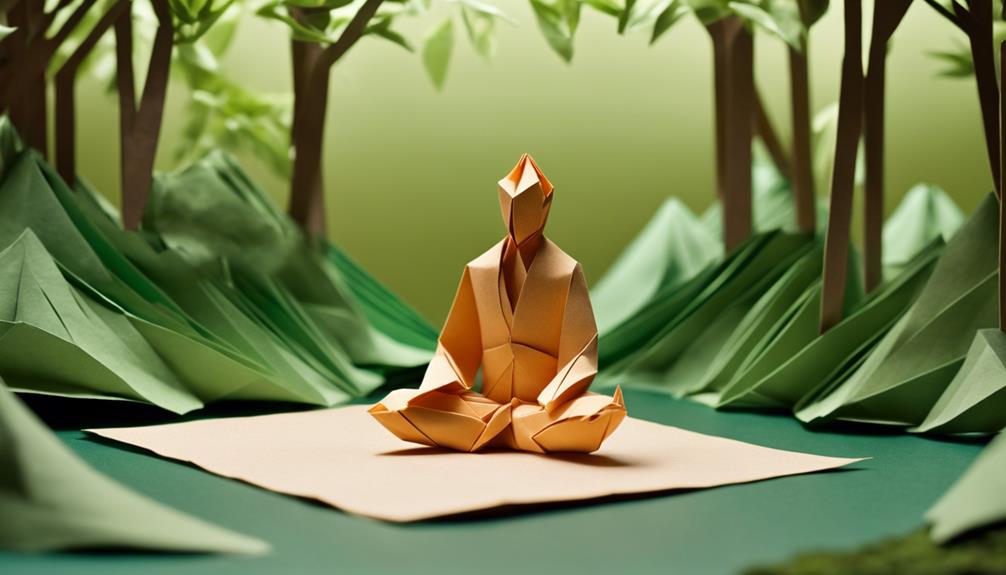
Letting go of comparison means releasing the habit of measuring your worth against others’ success or looks. Focus instead on embracing self-acceptance and gratitude for what you already have. Recognize that everyone’s journey is unique, and your value isn’t based on external validation. When you stop comparing, you’ll find greater contentment and peace within yourself. Keep exploring how shifting your mindset can help you truly feel enough and discover genuine happiness.
Key Takeaways
- Practice self-acceptance to embrace your unique journey and reduce the urge to compare yourself to others.
- Cultivate gratitude by focusing on your strengths and blessings to shift your perspective toward contentment.
- Recognize and observe feelings of envy without judgment, understanding they often stem from insecurity.
- Limit exposure to social comparisons and external validation, focusing instead on personal growth and progress.
- Incorporate daily self-care routines to nurture self-esteem and reinforce your inherent worth.

Comparison often sneaks into our lives, making us feel inadequate or jealous of others’ achievements. It’s easy to fall into the trap of constantly measuring yourself against someone else’s success, appearance, or lifestyle. But the truth is, no one has a perfect journey, and comparing yourself to others only dims your unique light. Instead, you can focus on developing self acceptance, which means embracing who you are right now, flaws and all. When you accept yourself, you stop wasting energy on feelings of inadequacy and start appreciating your own progress. Self acceptance isn’t about perfection; it’s about recognizing that you’re enough as you are today, even if you’re still working toward your goals.
Alongside self acceptance, cultivating a gratitude practice can noticeably shift your perspective. When you actively focus on what you already have—your strengths, your relationships, your health—you begin to feel more content and less needy of external validation. Gratitude is powerful because it redirects your attention from what’s missing or what others possess to what’s plentiful in your life. Each day, take a few moments to reflect on what you’re thankful for. It could be as simple as appreciating a kind word from a friend, a beautiful sunrise, or your own resilience. This habit rewires your brain to notice abundance rather than scarcity, making it harder for comparison to take root.
You might find it helpful to acknowledge your feelings of envy or inadequacy without judgment. Instead of suppressing these emotions, observe them, understand where they stem from, and gently remind yourself that everyone’s path is different. When you recognize that comparison is often rooted in insecurity, it becomes easier to let it go. You can replace those thoughts with affirmations that reinforce your worth, such as “I am enough,” or “My journey is unique.” Over time, these affirmations, combined with a gratitude practice, help build a stronger sense of self that isn’t easily shaken by external benchmarks. Incorporating skincare routines with glycolic acid can serve as a metaphor for self-care, reminding us that nurturing ourselves gradually leads to a healthier, more radiant life.
Frequently Asked Questions
How Can I Recognize When I’M Comparing Myself to Others?
You recognize you’re comparing yourself to others when you notice feelings of envy, inadequacy, or self-criticism arise. Practicing self-awareness helps you catch these thoughts early, making it easier to shift your mindset. When you notice your focus drifting to others’ successes or possessions, it’s a sign to pause and reframe your perspective. Mindset shifts, like appreciating your own progress, help you break the habit of comparison and foster contentment.
What Are Practical Steps to Stop Comparing Myself Daily?
To stop comparing yourself daily, start by practicing mindful awareness—notice when comparisons pop up and gently redirect your focus. Incorporate a gratitude practice by listing what you’re thankful for each day, shifting attention to your own blessings. Limit social media use, surround yourself with positive influences, and celebrate your progress, not others’. These steps help you stay present, foster contentment, and reduce the urge to compare.
How Does Social Media Influence My Tendency to Compare?
Social media fuels your fixation on digital illusions, fostering a false sense of perfection. It amplifies your validation dependency, making you compare your real life to curated highlights. You see polished posts, which distort reality and deepen your dissatisfaction. To break free, limit your scrolling, focus on authentic experiences, and remind yourself that social media often skews reality. Recognize that true contentment comes from within, not from online comparisons.
Can Comparison Ever Be Healthy or Beneficial?
Comparison can be healthy if you use it to motivate growth rather than diminish self-worth. It helps you identify areas for improvement and set realistic goals, fostering a healthy mindset. To do this, practice self-awareness exercises that remind you of your unique strengths and progress. Keep in mind, awareness of your own journey is essential; so, compare mindfully, focusing on personal development instead of competition or perfection.
How Do I Maintain Contentment During Setbacks or Failures?
When setbacks or failures happen, stay mindful through reflection and focus on what you can learn. Practice gratitude journaling to recognize your progress and strengths, helping you maintain contentment. Remind yourself that setbacks are temporary and part of growth. By shifting your perspective and appreciating what you have, you foster resilience and stay centered, enabling you to move forward with confidence and a positive outlook.
Conclusion
Remember, letting go of comparison isn’t about ignoring your goals but about appreciating your unique journey. Picture yourself climbing a mountain; comparing your path to someone else’s only distracts from your progress. When you focus on your own steps, each one becomes meaningful. So, embrace your pace, celebrate small wins, and find contentment in your growth. By doing so, you’ll discover that your happiness isn’t tied to others’ achievements but to your own unfolding story.