
Choosing the right meal timing and intermittent fasting plan can help you manage weight better by shifting your body’s energy use from glucose to fat, boosting metabolism, and balancing hormones. Methods like 16/8 or 5:2 fit into various lifestyles and promote fat burning and appetite regulation. As you adopt consistent routines, you’ll notice increased energy and improved insulin sensitivity. Keep exploring, and you’ll discover more ways to maximize these benefits for your health journey.
Key Takeaways
- Intermittent fasting shifts energy use from carbs to fat, aiding weight loss and metabolic health.
- Structured meal timing, like 16/8 or 5:2, enhances fat burning and appetite regulation.
- Longer fasting periods can accelerate weight loss but require gradual adaptation to prevent fatigue.
- Consistent fasting routines improve energy levels and reduce overeating during eating windows.
- Proper meal timing supports hormonal balance, insulin sensitivity, and sustainable weight management.

Many people are exploring how meal timing and intermittent fasting can improve their health and weight management. One key aspect that draws attention is the metabolic effects of different fasting schedules. When you adopt specific fasting routines, you influence how your body processes and utilizes energy. During periods of fasting, your body shifts from relying on glucose to burning stored fat for fuel, which can enhance fat loss. This metabolic switch is a fundamental reason why many find intermittent fasting effective for weight management. It also helps stabilize insulin levels, reducing fat storage and improving overall metabolic health.
Fasting shifts energy use from glucose to fat, boosting weight loss and metabolic health.
Fasting schedules vary widely, and choosing the right one depends on your lifestyle and goals. For example, some follow the 16/8 method, where you fast for 16 hours and eat within an 8-hour window. Others might opt for the 5:2 approach, eating normally five days a week and considerably limiting calories on two days. Regardless of the schedule, consistency allows your body to adapt and optimize the metabolic benefits of fasting. As you settle into these routines, you may notice your hunger cues adjust, and your energy levels become more stable throughout the day, making it easier to maintain your weight loss efforts.
Understanding the metabolic effects of fasting schedules also means recognizing how your body responds differently depending on the duration and frequency of fasting periods. Shorter fasts, like skipping breakfast or delaying meals, can still provide metabolic benefits without feeling overly restrictive. Longer fasts, on the other hand, may accelerate fat burning but require careful planning to avoid fatigue or nutrient deficiencies. The key is to listen to your body and gradually incorporate fasting into your routine. Over time, your metabolism can become more efficient at burning fat, and your appetite regulation can improve, making it easier to avoid overeating during eating windows.
Additionally, the metabolic effects of fasting extend beyond weight loss. Improved insulin sensitivity, reduced inflammation, and better hormonal balance are often observed in people who stick with consistent fasting schedules. These benefits can contribute to overall health and reduce the risk of chronic diseases. As you experiment with different fasting schedules, keep track of how your body responds, and don’t hesitate to adjust your approach as needed. Intermittent fasting isn’t just about weight management; it’s about creating a sustainable lifestyle that supports your long-term health and well-being.

AS ColdPlunge Ice Bath Chiller & Cold Plunge Tub Kit, 1/3HP Cold Plunge Chiller with External Pump & Filter, XXL 148Gal Upgraded Ice Pod, Cold Plunge Tub with Water Chiller for Cold Therapy Recovery
Complete Cold Plunge Recovery Kit — Ice-Free and Hassle-Free: This all-in-one cold plunge bundle includes a 1/3 HP...
As an affiliate, we earn on qualifying purchases.
Frequently Asked Questions
Can Meal Timing Affect Energy Levels During Workouts?
Yes, your meal timing can impact your workout energy. Eating too long before exercise might cause discomfort, while skipping meals can leave you low on energy. To optimize workout energy, time your meals to provide fuel without feeling heavy. Eating a balanced snack 30-60 minutes beforehand can boost your stamina, ensuring you stay energized and perform your best during workouts.
Is Intermittent Fasting Suitable for All Age Groups?
Intermittent fasting is like a fit puzzle piece; it isn’t suitable for everyone. You should consider age considerations, especially if you’re a senior, since it can affect energy and health differently. For younger adults, it might work well, but seniors need to consult healthcare providers before starting. Always prioritize safety and personalized advice to determine if intermittent fasting‘s suitable for your age and health status.
How Does Meal Timing Impact Sleep Quality?
Meal timing considerably impacts your sleep quality by influencing your sleep patterns and circadian rhythms. Eating late can disrupt these natural cycles, making it harder to fall asleep and stay asleep. To improve sleep, try aligning your meals with your body’s internal clock, having your last meal a few hours before bed. Consistent meal times support healthy circadian rhythms, leading to better rest and overall well-being.
Are There Any Health Risks Associated With Long-Term Fasting?
Sure, extended fasting might seem like a good idea, but it can cause serious health risks. You risk nutritional deficiencies, which drain your energy and sabotage your health. Long-term fasting can also lead to muscle loss, weakened immunity, and electrolyte imbalances. So, if you’re thinking of fasting for the long haul, remember, your body needs a balanced diet to stay strong and healthy—not just deprivation.
Can Meal Timing Influence Hormonal Balance Beyond Weight Management?
Yes, your meal timing can influence hormonal regulation beyond just weight management. When you eat at consistent times, your body adapts metabolically, supporting stable insulin, cortisol, and ghrelin levels. This metabolic adaptation helps maintain hormonal balance, reducing stress on your endocrine system. By timing your meals thoughtfully, you promote better hormonal regulation, which can positively impact mood, energy, and overall health beyond just managing weight.
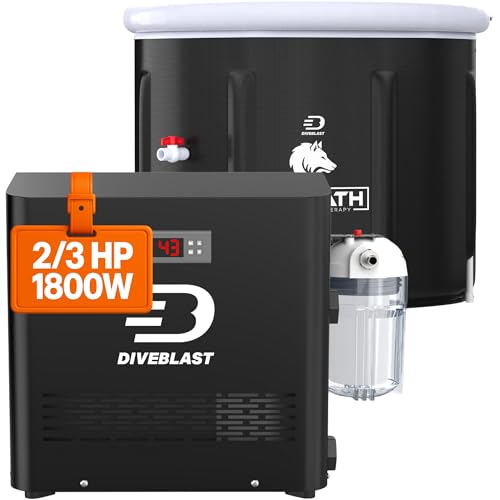
Diveblast Cold Plunge Tub With Water Chiller, Pump and Filter - Low Consumption 2/3 HP Cold Plunge Chiller - Cools Water Down to 39°F
CHILLS TO 39°F IN JUST HOURS – The Diveblast cold plunge water chiller cools your tub from 90°F...
As an affiliate, we earn on qualifying purchases.
Conclusion
By choosing the right meal timing or trying intermittent fasting, you can effectively manage your weight. Think of it like a schedule for your body—just like a daily routine helps you stay organized, meal timing keeps your metabolism on track. If you’re worried about feeling hungry, remember, gradual adjustments work best. Start small, like a 12-hour fast, then extend as your body adapts. Consistency and patience will help you see results without feeling deprived.

Nuvio Recovery Chiller Pro for Ice Bath - 1/3 HP Water Chiller with App Control & Ozone Cleaning, Cools to 37°F, Works with Any Tub, Cold Plunge Chiller with Integrated Pump & Filter
OZONE PURIFICATION & DUAL FILTRATION SYSTEM - Built-in ozone generator automatically sanitizes water, keeping it cleaner for weeks...
As an affiliate, we earn on qualifying purchases.

Bio Ouster 3in1 Weekly Cold Plunge Water Treatment - Cleaner, Clarifier, and Softener for Cold Plunge and Ice Bath - Water Stabilizer for Fresh, Crystal Clear Water - Made in USA (32oz)
3-in-1 Weekly Treatment: This cold plunge water treatment combines a powerful cleaner, clarifier, and softener in one formula,...
As an affiliate, we earn on qualifying purchases.