
TL;DR

Get beauty and skincare favorites delivered free with Prime
- Fast, free delivery on millions of items
- Prime Video, Amazon Music and more included
- Member-only deals all year
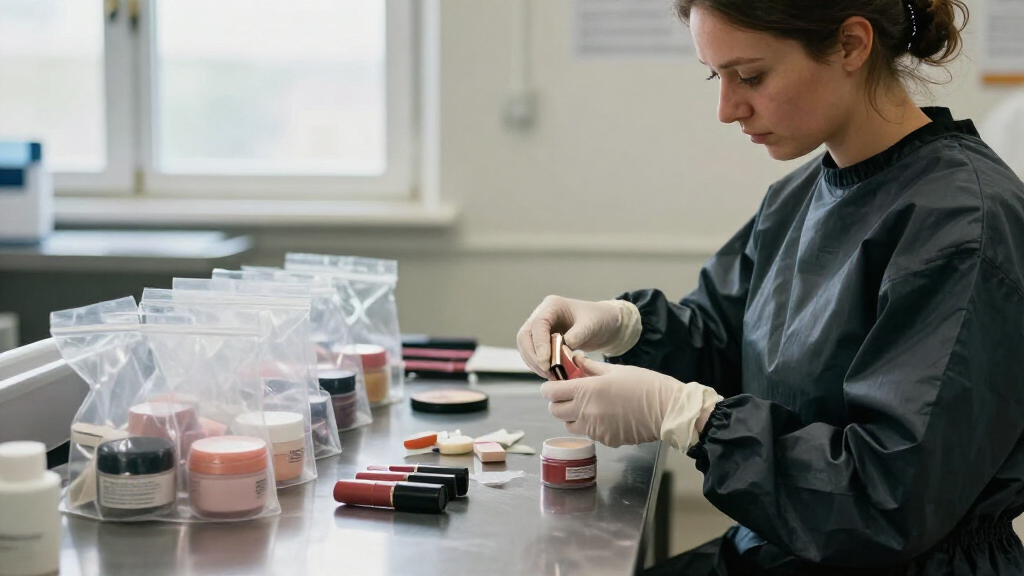
Trading Standards testing of 50 seized counterfeit cosmetics in the UK found that 20 failed safety checks. The tested products included skin care, make-up and fragrance containing substances such as mercury, lead and methanol; the results are being promoted through the Intellectual Property Office’s “Face the Fakes” campaign.
Trading Standards testing found that 20 of 50 seized counterfeit cosmetic products failed safety checks, with substances including mercury, lead and methanol identified in products spanning skin care, make-up and fragrance, according to findings highlighted by the UK Intellectual Property Office (IPO). The results are being used in the IPO’s “Face the Fakes” campaign, which urges consumers and beauty businesses to buy and supply products through sources they can trust.
The tested products were a cross-section of 50 seized counterfeits, not a survey of all cosmetics sold in the UK. The source report says four in ten failed safety checks. It does not provide details of the sampling method, the locations from which all 50 products were seized, or the dates of testing.
One counterfeit skin-lightening cream contained 1.32% mercury, equivalent to 13,200 parts per million. Mercury is prohibited in cosmetics of this type. The report says repeated skin exposure can harm the kidneys and nervous system. Testing also found high levels of lead in counterfeit lipstick, eyeshadow and contour products; one contour kit contained 40 milligrams per kilogram. Lead can accumulate in the body and may affect the brain, nervous system and kidneys.
Other reported findings included about 80% methanol in one counterfeit fragrance, nicotine in a counterfeit perfume, and 8.1% hydroquinone in a counterfeit skin-lightening cream. The source describes nicotine and hydroquinone as prohibited in the relevant cosmetics. Methanol can be absorbed through skin or inhaled; sufficiently high exposure can cause serious poisoning, including harm to eyesight and the nervous system. The report does not say that anyone was injured or provide exposure assessments for the products.
Risks Behind Counterfeit Beauty Products
The results show why the origin of a cosmetic can matter to its safety: counterfeit products may not follow the controls applied to legitimate products, and the tested sample contained substances prohibited or potentially harmful in the products concerned. A product’s appearance or resemblance to a known brand does not establish that it was made to the brand’s standards.
The IPO campaign is directed not only at shoppers but also at salons, retailers and beauty professionals, asking them to strengthen checks on products they buy, use and sell. Businesses can expose customers to risk if they unknowingly distribute or apply counterfeit products. The findings also matter for legitimate companies, whose reputation and consumer trust can be exploited by sellers of fakes. The sample does not establish how common unsafe counterfeits are across the wider market.
Products Worth Considering

Fitbit Sense Advanced Smartwatch – Sage Grey/Silver (One Size, S & L Bands Included)

BowFlex Results Series SelectTech Adjustable Dumbbells, Pair

Therabody Theragun Relief Massage Gun, 3 Speeds, Navy
As an affiliate, we earn on qualifying purchases.
UK Enforcement and Beauty Counterfeits
Cosmetics, skin care and perfumes are among the ten counterfeit-goods categories most commonly investigated by Trading Standards, according to the source report. The IPO’s “Face the Fakes” campaign works with beauty industry organisations, scientific experts and social media creators to raise awareness of counterfeit-product risks.
The report also describes recent enforcement activity. In July 2026, the Police Intellectual Property Crime Unit and Greater Manchester Police seized 1,666 counterfeit hair products, including extensions, shampoo and conditioners, from a Manchester warehouse. Separately, Trading Standards officers seized goods valued at £2 million in a raid on a Bolton production facility; the reported items included perfume, cosmetics, clothing and vapes. These seizures provide enforcement context but are separate from the 50-product safety-testing sample.
Dr Emma Meredith, director-general of the Cosmetic, Toiletry and Perfumery Association, said legitimate products are subject to ingredient controls, safety assessments and legal responsibilities for companies placing them on the market. She said counterfeit products can bypass those safeguards. British Beauty Council chief executive Millie Kendall said the industry wants consumers to feel confident about what they buy and supports the campaign’s focus on trusted sources.
““Counterfeit products can bypass those safeguards, which is why knowing who you are buying from and choosing trusted sources matters.””
— Dr Emma Meredith, director-general of the Cosmetic, Toiletry and Perfumery Association
What the Test Results Cannot Show
The reported figures come from 50 seized counterfeit products; the source does not explain how those products were selected or whether they represent the broader supply of counterfeit cosmetics. It also does not state when the testing took place, identify the products’ brands or sellers, or give full laboratory details. The findings therefore establish failures in this sample, not a failure rate for all counterfeit products or cosmetics sold in the UK.
No injuries or confirmed cases of poisoning linked to the tested items are reported. The source also does not say whether the products were all destroyed, whether prosecutions followed, or what further enforcement action is planned. The health effects described are potential risks associated with the substances, not reported outcomes among users of these seized products.
Campaign Advice and Enforcement
The “Face the Fakes” campaign is being used to raise awareness among consumers and the beauty trade. The IPO and industry partners are urging salons, retailers and professionals to check suppliers and to take care over products they buy, use or sell. The source does not give a timetable for further campaign activity or announce new enforcement measures.
For readers, the immediate practical point from the campaign is to pay attention to who is selling a product, rather than relying on packaging or branding alone. Further details about the testing method, the seized products and any related enforcement outcomes have not been provided in the report. Any update on those points would help clarify how the findings relate to the wider counterfeit cosmetics market.
Key Questions
What did Trading Standards find in the seized cosmetics?
Testing found that 20 of 50 seized counterfeit cosmetic products failed safety checks. Reported substances included mercury, lead, methanol, nicotine and hydroquinone across skin care, make-up and fragrance.
Does the 40% result apply to all cosmetics in the UK?
No. It refers to a sample of 50 seized counterfeit products. The source does not provide a sampling method that would support applying the result to all counterfeit cosmetics or the wider UK cosmetics market.
Were any consumers reported injured?
The source report does not describe any injuries or poisoning cases linked to the seized products. It outlines potential health effects associated with substances found during testing, not confirmed outcomes among users.
What advice is being given to beauty businesses?
The IPO campaign urges salons, retailers and beauty professionals to strengthen checks on the products they buy, use and sell, including paying attention to the source of their supplies.
Source: cosmeticsbusiness.com