To break down limiting beliefs, start by identifying the thoughts that hold you back, like “I’m not good enough.” Next, question where these beliefs come from to weaken their influence. Reframe them into positive, growth-oriented statements such as “I can learn and improve.” Celebrate small wins to boost confidence, and stay persistent with practice. If you want to discover more effective strategies, keep exploring how to transform your mindset and open your full potential.
Key Takeaways
- Identify and acknowledge subconscious limiting beliefs that restrict your potential.
- Trace the origin of these beliefs to understand their roots and challenge their validity.
- Reframe negative thoughts into growth-oriented statements to foster a positive mindset.
- Celebrate small wins to reinforce confidence and gradually weaken limiting beliefs.
- Practice persistence and self-compassion to sustain mindset shifts and support ongoing personal growth.

Many of us unknowingly hold limiting beliefs that restrict our potential and hold us back from achieving our goals. These beliefs often act as mental barriers, convincing you that you’re not capable, worthy, or deserving of success. The good news is that by making deliberate mindset shifts, you can challenge and replace these negative thoughts, opening the door to growth and confidence building. The process begins with recognizing these beliefs; many times, they’re subtle and ingrained, like “I’m not good enough” or “I can’t do this.” Once you identify them, you can start questioning their validity. Ask yourself where these beliefs originated—are they based on past experiences, societal conditioning, or fear? Understanding their roots weakens their power and provides clarity for change.
Identify and question your limiting beliefs to unlock your true potential and foster growth.
Next, it’s essential to reframe these limiting thoughts into empowering ones. Instead of saying, “I’ll never succeed,” try, “I can learn and improve over time.” This simple shift fosters a growth mindset, which is *vital* for confidence building. When you adopt a mindset that embraces challenges as opportunities to grow, you begin to see setbacks not as failures but as lessons. This perspective fuels resilience and encourages you to persist despite obstacles. As you practice these mindset shifts consistently, you’ll notice a gradual increase in self-belief, which is fundamental for overcoming doubts that often accompany limiting beliefs.
Confidence building also involves celebrating small wins. Each time you challenge a limiting belief and choose a more positive, empowering thought, acknowledge that effort. These small victories reinforce your new mindset, making it easier to take on bigger challenges. Visualize yourself succeeding and affirm your abilities regularly. Over time, this practice rewires your brain to focus on possibilities rather than limitations. Remember, changing your mindset isn’t an overnight process; it requires persistence and self-compassion. Every step you take toward shifting your beliefs strengthens your confidence and broadens your horizons.
In the end, breaking down limiting beliefs is about taking control of your inner dialogue and choosing thoughts that empower rather than restrict. By consciously implementing mindset shifts and committing to confidence building, you create a mental environment conducive to success. It’s a journey of self-awareness, resilience, and continuous growth. The more you practice replacing doubts with positive affirmations and reframing your thoughts, the more natural it becomes to believe in your own potential. This transformation doesn’t just change your mindset—it transforms your entire outlook on life, enabling you to pursue your goals with renewed energy and conviction.

WDphouly Affirmation Cards for Women, 120 Positive Affirmation Cards (6 Themes), Daily Affirmations for Inspiration, Mindfulness & Self Care, Uplifting Gift for Women
POWERFUL AFFIRMATIONS – These positive affirmation cards are simple yet profoundly effective. Tap into your hidden power through…
As an affiliate, we earn on qualifying purchases.
As an affiliate, we earn on qualifying purchases.
Frequently Asked Questions
How Do I Identify My Own Limiting Beliefs?
You identify your limiting beliefs through self-reflection, paying attention to recurring negative thoughts or doubts about yourself. Watch out for cognitive biases that distort your perception, like all-or-nothing thinking or overgeneralization. Ask yourself where these beliefs come from and if they’re based on facts. Journaling, mindfulness, and honest questioning help uncover hidden beliefs that hold you back, so you can challenge and reframe them.
Can Limiting Beliefs Be Completely Eliminated?
Studies show that about 80% of your belief systems are formed by age 18, but limiting beliefs can be reduced considerably. While they may not be entirely eliminated, you can create powerful mindset shifts that diminish their impact. By actively challenging and reprogramming these beliefs, you can replace them with empowering ones, leading to personal growth. Remember, it’s a continuous process of growth and reinforcement, not a one-time fix.
What Role Does Childhood Play in Forming Limiting Beliefs?
Childhood plays a significant role in forming limiting beliefs through childhood conditioning and early experiences. During this time, your mind is highly impressionable, absorbing messages from family, teachers, and peers. These influences can create negative thought patterns that stick with you into adulthood. Recognizing how your early experiences shaped these beliefs is the first step to challenging and changing them, allowing you to grow beyond your initial limitations.
How Long Does It Typically Take to Change a Limiting Belief?
Think of your mind as a garden, and belief patterns as seeds. Changing a limiting belief can take anywhere from a few weeks to several months, depending on your consistency and effort. With focused mindset shifts, you can accelerate this process. It’s about nurturing new thoughts and uprooting old doubts daily. Patience and persistence transform these belief seeds into healthier, empowering mental landscapes over time.
Are There Specific Techniques for Overcoming Deeply Ingrained Beliefs?
Yes, there are specific techniques for overcoming deeply ingrained beliefs. An effective techniques overview includes challenging the belief through evidence, replacing it with positive affirmations, and practicing belief reinforcement regularly. You should also use visualization and mindfulness to rewire your thought patterns. By consistently applying these methods, you’ll gradually weaken the hold of limiting beliefs and foster empowering new perspectives. Persistence and patience are key to lasting change.

Big Life Journal – Growth Mindset & Gratitude Journal for Teens and Tweens (Ages 11–17) – Guided Workbook with Prompts, Reflection & Goal-Setting to Build Confidence, Positivity & Resilience – Gift for Teen Boys & Girls
EMPOWER TEENS & TWEENS: This growth mindset workbook encourages children age 11+ to dream about their future. The…
As an affiliate, we earn on qualifying purchases.
As an affiliate, we earn on qualifying purchases.
Conclusion
By understanding and dismantling your limiting beliefs, you open the door to endless possibilities. Think of these beliefs as shadows lurking in the corner—once you shine a light on them, they lose their power. Remember, you hold the brush to paint your future. With each step you take, you’re carving out a path free of self-imposed barriers. Embrace this journey, and watch your confidence bloom like a flower reaching for the sun.
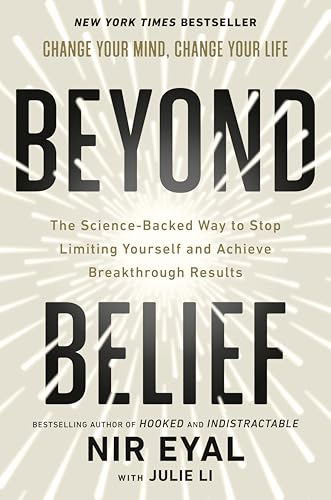
Beyond Belief: The Science-Backed Way to Stop Limiting Yourself and Achieve Breakthrough Results
As an affiliate, we earn on qualifying purchases.
As an affiliate, we earn on qualifying purchases.

The Positive Thinking Workbook: Quiet Your Inner Critic and Build a Strong Foundation for a Positive Mindset
As an affiliate, we earn on qualifying purchases.
As an affiliate, we earn on qualifying purchases.