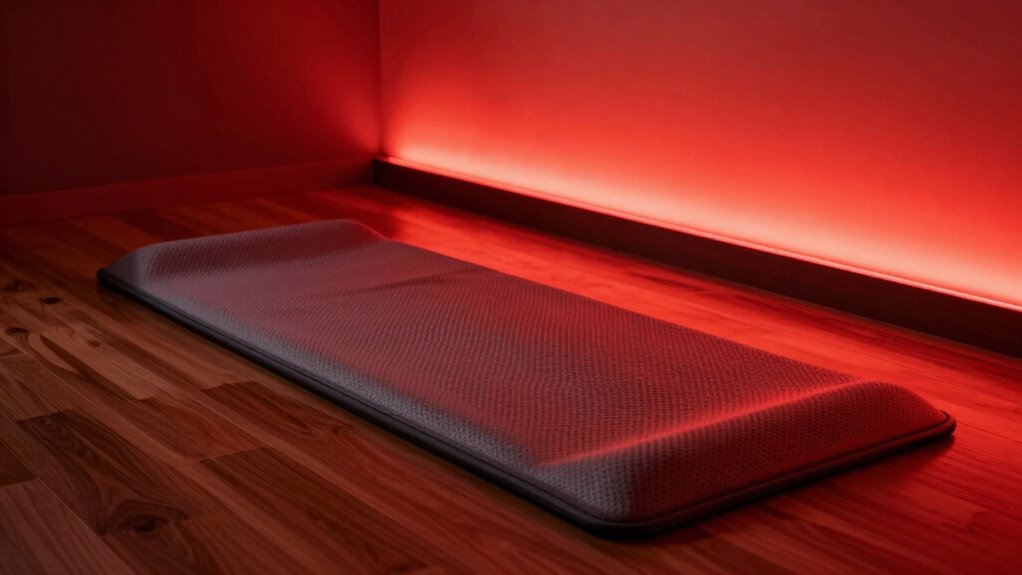

PEMF mats and red light panels target different tissue layers for healing. PEMF mats deliver electromagnetic pulses that penetrate deep into tissues, promoting cell regeneration and reducing inflammation. Red light panels use specific wavelengths to focus on surface tissues, supporting skin health and superficial repair. Each tool serves a unique purpose—deep healing versus surface treatment. To understand how they can work together for your wellness, keep exploring their differences and benefits.

Get beauty and skincare favorites delivered free — and shop member deals
- Fast, free delivery on millions of items
- Access to Prime Big Deal Days deals on October 6–7
- Prime Video, Amazon Music and more included
Key Takeaways
- PEMF mats deliver deep-penetrating electromagnetic pulses, targeting systemic and deep tissue healing, while red light panels focus on surface-level skin and superficial tissues.
- PEMF stimulates cellular regeneration by influencing cellular electromagnetic properties, whereas red light enhances mitochondrial energy production for skin and surface repair.
- PEMF is ideal for managing chronic pain, inflammation, and deep tissue recovery; red light is best for skin rejuvenation, superficial injuries, and localized pain.
- PEMF provides broad coverage for systemic benefits, whereas red light therapy is more localized, targeting specific areas at shallow depths.
- Combining both therapies can optimize healing, leveraging PEMF’s deep tissue effects with red light’s surface-level regeneration.
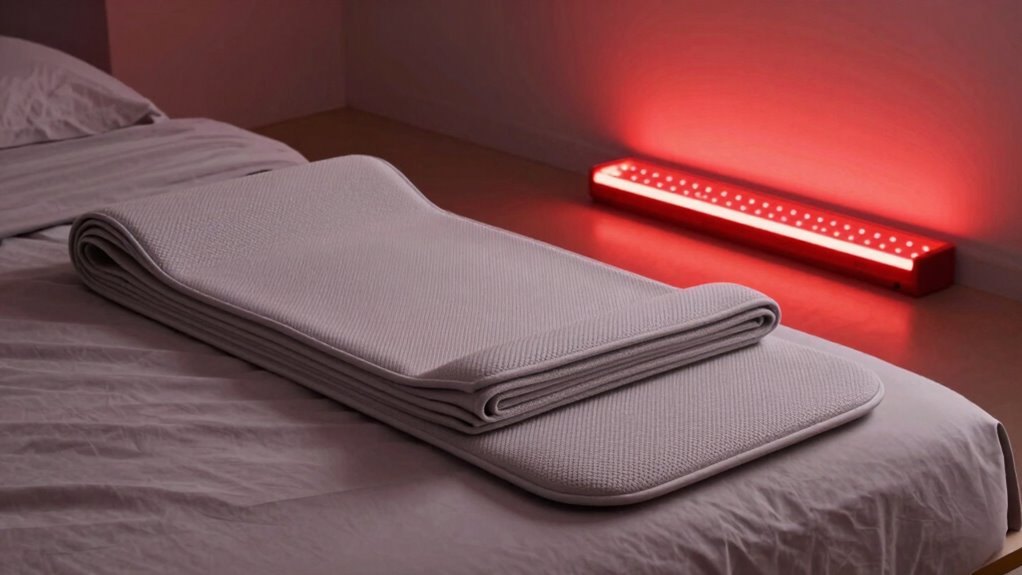
If you’re looking for non-invasive ways to boost your health and recovery, PEMF mats and red light panels offer innovative solutions. While both are popular in wellness circles, they work differently and serve distinct purposes. Understanding these differences can help you choose the right tool for your needs, especially when it comes to promoting cell regeneration and pain management. PEMF, or Pulsed Electromagnetic Field therapy, involves applying electromagnetic pulses to your body. These pulses stimulate your cells at a cellular level, encouraging faster cell regeneration. When your cells regenerate efficiently, your body’s healing processes accelerate, and pain can diminish. PEMF mats deliver these pulses across large areas, making them ideal for chronic pain, inflammation, or general recovery. The electromagnetic fields penetrate deep into tissues, helping to restore cellular function, reduce inflammation, and promote overall healing. Many users find that regular PEMF sessions help manage persistent pain and support tissue repair, especially after injuries or surgeries. Additionally, PEMF therapy can influence the electromagnetic properties of cells, which is fundamental to cellular health. Incorporating this therapy into your routine can help enhance overall bodily functions and support long-term wellness.
Red light panels, on the other hand, utilize specific wavelengths of light—typically in the red or near-infrared spectrum—to target cells in your skin and superficial tissues. When this light penetrates your skin, it stimulates your mitochondria, the energy powerhouses of your cells. This process enhances cellular energy production, which is *essential* for cell repair and regeneration. As a result, red light therapy promotes faster cell regeneration, supporting skin health, healing wounds, and reducing inflammation. It’s particularly effective for surface-level concerns like skin rejuvenation, scars, or superficial pain relief. Unlike PEMF, which impacts deeper tissues, red light therapy is often used for localized treatment, focusing on specific areas that need regeneration or pain relief. Both tools are non-invasive and safe, but they complement each other rather than compete. PEMF mats are better suited for systemic issues, chronic pain, and deep tissue healing, while red light panels excel at surface-level regeneration and targeted pain management. You might find that combining both therapies maximizes your recovery, especially if you’re dealing with complex or ongoing health challenges. When choosing between them, consider your specific needs—whether you’re aiming for overall cellular health and deep tissue healing or targeting superficial injuries and skin health. In either case, these technologies harness advanced science to support your body’s natural healing processes, making them valuable additions to your wellness routine. Understanding these differences can enhance your ability to select the most effective therapy for your unique health goals.
PEMF therapy mat for deep tissue healing
As an affiliate, we earn on qualifying purchases.
As an affiliate, we earn on qualifying purchases.
Frequently Asked Questions
Are PEMF Mats Safe for All Age Groups?
PEMF mats are generally safe for most age groups, but you should consider age appropriateness and safety considerations. Children, seniors, or those with health conditions need to consult a healthcare professional before use. Young children and pregnant women should be cautious. Always follow manufacturer guidelines, start with short sessions, and monitor how you feel. If you experience discomfort, stop using the mat and seek medical advice.
How Long Should I Use a Red Light Panel Daily?
You should use a red light panel for about 10 to 20 minutes daily, depending on your light intensity. Start with shorter sessions to see how your skin responds, then gradually increase the duration if needed. It’s important not to overdo it, so listen to your body. Consistency is key, and adjusting session length based on your comfort and the panel’s recommended light intensity guarantees safe and effective use.
Can These Devices Treat Specific Medical Conditions?
These devices can support certain conditions as part of alternative therapies, but they don’t replace traditional medical treatments. You might see some relief for pain, inflammation, or skin issues, but their treatment limitations mean they’re not cures. Always consult with a healthcare professional before relying on red light panels or PEMF mats for specific medical conditions, as they’re best used as complementary tools rather than standalone solutions.
Do PEMF Mats Require Professional Setup?
No, PEMF mats usually don’t require professional installation. However, you should follow the manufacturer’s instructions carefully for proper device calibration and safe use. Some models might need a professional to ensure ideal setup, especially if the device is complex or integrated into a larger system. Always check the user manual and consider consulting a specialist if you’re unsure about calibration or setup requirements to guarantee safe and effective use.
Are There Any Known Side Effects From Red Light Therapy?
Red light therapy is generally safe, but you might experience some potential side effects like skin irritation or eye safety concerns. You could notice redness or irritation on your skin if exposed too long or at high intensities. It’s essential to wear protective eyewear and follow manufacturer guidelines to mitigate risks. If you have sensitive skin or eye issues, consult a healthcare professional before starting red light therapy to ensure safety.
red light therapy panel for skin rejuvenation
As an affiliate, we earn on qualifying purchases.
As an affiliate, we earn on qualifying purchases.
Conclusion
Think of PEMF mats and red light panels like different tools in your wellness toolbox—they each serve a unique purpose. Imagine trying to hammer in a nail with a screwdriver; it just doesn’t work. Similarly, using the right device for your specific needs can make all the difference. Whether you’re seeking deep tissue recovery or surface-level revitalization, knowing the distinction helps you choose what truly supports your health journey.
infrared red light therapy device
As an affiliate, we earn on qualifying purchases.
As an affiliate, we earn on qualifying purchases.
Pulsed Electromagnetic Field therapy mat
As an affiliate, we earn on qualifying purchases.
As an affiliate, we earn on qualifying purchases.
Fall Picks
fall essentials
As an affiliate, we earn on qualifying purchases.