
Maintaining your pet’s oral health is essential for their overall happiness and well-being. Brush their teeth regularly with pet-safe toothpaste, provide dental treats or toys to help reduce plaque, and schedule routine checkups with your vet. Watch for signs like bad breath or red gums, and consider professional cleanings when needed. Consistent dental care prevents problems like gingivitis and tooth decay, helping your pet stay healthy. Continue exploring ways to keep your pet’s smile bright and healthy.
Key Takeaways
- Regular brushing with pet-safe toothpaste prevents plaque buildup and tooth decay.
- Schedule routine veterinary checkups and professional cleanings to remove tartar and maintain oral health.
- Use dental treats and toys to mechanically reduce plaque and support oral hygiene.
- Monitor for signs of dental issues like bad breath, red gums, or bleeding, and seek prompt veterinary care.
- Start dental care routines early to help pets adapt and ensure long-term oral health and overall wellness.
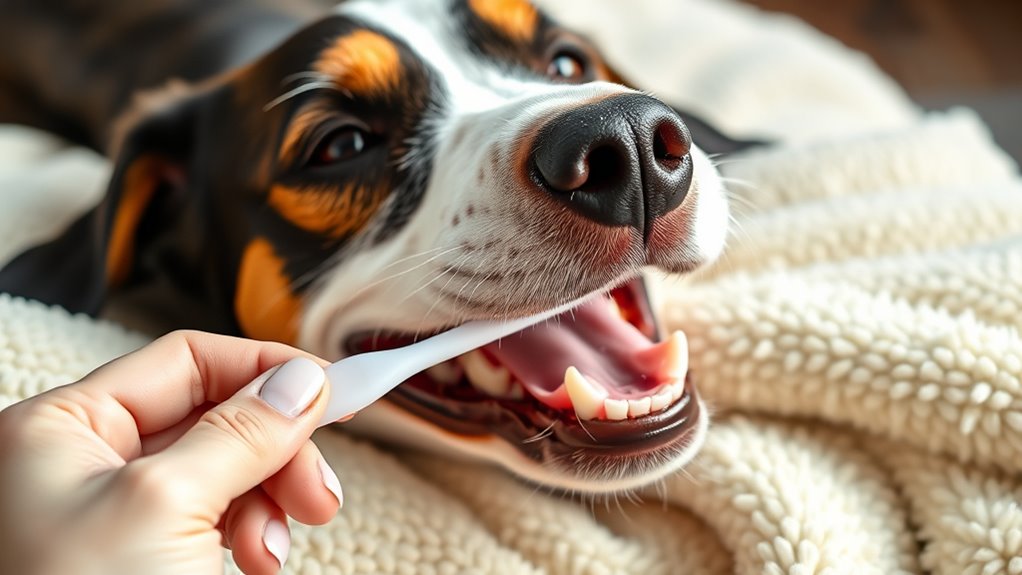
Did you know that pet dental health is just as important as overall wellness? Many pet owners overlook the importance of maintaining their animal’s oral hygiene, but neglecting it can lead to serious health issues. One of the primary concerns is tooth decay, which isn’t just a problem for humans. When plaque builds up on your pet’s teeth, it can cause cavities and weaken the enamel, making teeth more susceptible to breaking or falling out. Regular brushing and dental checkups are essential to prevent tooth decay from progressing.
Gingivitis prevention is another critical aspect of pet dental care. Gingivitis, an inflammation of the gums, often results from plaque accumulation along the gum line. If left untreated, it can develop into periodontal disease, which can cause pain, bad breath, and even tooth loss. Preventing gingivitis starts with daily brushing to remove plaque before it hardens into tartar. Using the right toothbrush and pet-safe toothpaste makes a significant difference. It’s best to start brushing your pet’s teeth early, so they become accustomed to the routine.
In addition to daily brushing, providing dental treats and toys can support gingivitis prevention. These products help reduce plaque buildup by mechanically cleaning teeth as your pet chews. However, they shouldn’t replace regular professional cleanings. Routine veterinary examinations allow for thorough assessments of oral health, ensuring that any early signs of dental disease are caught and treated promptly. Your veterinarian may recommend professional cleanings under anesthesia, especially if plaque and tartar have become hard to remove at home.
Monitoring your pet’s oral health also involves watching for symptoms like bad breath, red or swollen gums, bleeding during brushing, or difficulty eating. Addressing these issues early can prevent more severe health complications, such as infections spreading to other organs. Establishing a consistent dental care routine and visiting the vet regularly are your best strategies for maintaining your pet’s oral health. Remember, good dental hygiene isn’t just about fresh breath; it’s about safeguarding your pet’s overall health and quality of life. Regular professional cleanings and tartar control can significantly improve your pet’s oral health outcomes. By taking proactive steps against tooth decay and gingivitis, you’re helping your furry friend stay happy, healthy, and comfortable for years to come.

Vet's Best Dog Toothpaste & Dog Toothbrush, Dental Kit, Plaque Remover for Teeth, Whitens Teeth, Freshens Canine Breath, Veterinarian Formula, Finger Toothbrush Included
DOG TOOTH BRUSHING KIT: Keep your dog's teeth and gums healthy with our dog toothbrush and toothpaste kit;…
As an affiliate, we earn on qualifying purchases.
As an affiliate, we earn on qualifying purchases.
Frequently Asked Questions
How Often Should I Schedule Professional Pet Dental Cleanings?
You should schedule professional pet dental cleanings every 6 to 12 months, depending on your pet’s oral health. Regular dental cleaning frequency is essential for maintaining your pet’s oral health and preventing issues like plaque buildup and gum disease. Follow your veterinarian’s pet oral health schedule, and keep an eye on signs of dental problems. Consistent cleanings help keep your pet comfortable and healthy over the years.
Are There Specific Toys That Promote Dental Health?
Yes, there are specific pet dental toys designed to promote dental health. Look for pet dental toys made from durable materials that help clean teeth and massage gums. Dental health products like treats and chews can also support oral hygiene. Incorporate pet dental toys into your pet’s routine, and use dental health products regularly to reduce plaque and freshen breath, keeping their teeth healthy and strong.
Can Diet Alone Improve My Pet’s Oral Health?
You might be surprised to learn that 80% of pets develop dental disease by age three. Diet improvements can considerably boost your pet’s oral health, but they shouldn’t be the only solution. While a balanced diet helps reduce plaque buildup, regular brushing and vet check-ups are essential. Combining these efforts ensures your pet’s mouth stays healthy, preventing discomfort and costly dental issues down the line.
What Are Signs of Dental Disease in Pets?
You’ll notice signs of dental disease in your pet through gingivitis symptoms like red, swollen gums, and bad breath indicators such as foul odor that persists despite regular brushing. Other signs include difficulty eating, excessive drooling, pawing at the mouth, or loose teeth. Keep an eye out for these symptoms, and if you spot any, consult your veterinarian promptly to prevent further oral health issues.
Is Anesthesia Necessary for Dental Procedures?
Think anesthesia is optional? Think again! For serious dental work, anesthesia isn’t just a luxury; it’s a necessity. It minimizes anesthesia risks and guarantees your pet stays still and comfortable. While sedation alternatives exist, they often aren’t enough for thorough cleanings or extractions. Without proper anesthesia, you risk incomplete care and your pet’s safety. So, yes, anesthesia is vital for effective, safe dental procedures.

Pedigree Dentastix Dental Chews for Dogs, Small and Toy Breed Dog Treats, Fresh Flavor, 12.31 oz. Bag (51 Treats Total)
Triple Action: These dental treats for toy/small dogs reduce tartar buildup, clean teeth, and freshen breath for complete…
As an affiliate, we earn on qualifying purchases.
As an affiliate, we earn on qualifying purchases.
Conclusion
Taking care of your pet’s teeth isn’t just about fresh breath — it’s about their overall health and happiness. When you make regular dental check-ups and brushing part of your routine, you might notice your pet more lively and comfortable. Coincidentally, a healthy mouth can even lead to fewer vet visits and save you money. So, stay proactive; your pet’s bright smile is a sign of their well-being and your loving care.

PARYUNGR Dental Tools Pet Dog Teeth Cleaner Tool Kit, Stainless Steel Plaque Remover Dental Picks Tooth Tartar Scraper, Pets Oral Care Hygiene Set for Cats and Dogs Use with Case
🐶PROFESSIONAL PET TOOTH TOOL – 4 styles of dental cleaning care tools include dental probe, tartar scraper, sickle…
As an affiliate, we earn on qualifying purchases.
As an affiliate, we earn on qualifying purchases.
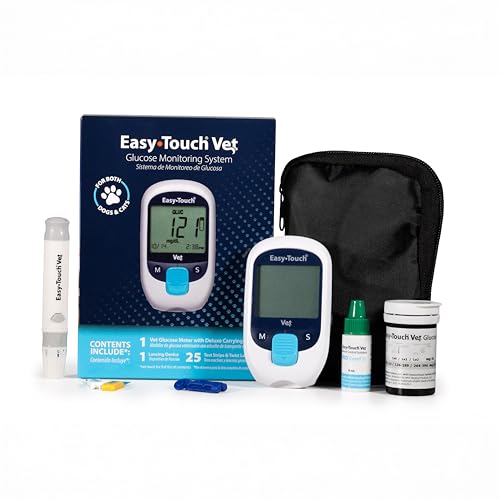
Easy Touch Pet Glucose Monitoring System for Dogs & Cats Starter Kit
Complete Pet Glucose Monitoring Kit: Starter kit contains everything you need to start measuring your pet’s blood glucose….
As an affiliate, we earn on qualifying purchases.
As an affiliate, we earn on qualifying purchases.