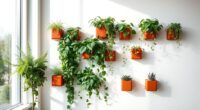
When choosing pet-safe indoor plants, opt for non-toxic options like spider plants, Boston ferns, or certain succulents such as haworthia. Always verify the safety of plants before bringing them home by checking reputable sources. Keep harmful plants out of your pet’s reach or opt for hanging planters and elevated shelves for added safety. If you’re curious about more safe options and tips, there’s plenty more to discover below.

Get beauty and skincare favorites delivered free with Prime
- Fast, free delivery on millions of items
- Prime Video, Amazon Music and more included
- Member-only deals all year
Key Takeaways
- Verify plant toxicity status through reputable sources before bringing new plants indoors.
- Select known pet-safe plants like spider plants, Boston ferns, or haworthia succulents.
- Use hanging planters or elevated shelves to keep plants out of pets’ reach.
- Avoid toxic plants such as lilies, pothos, and philodendrons in your indoor garden.
- Train and supervise pets to prevent chewing on indoor plants for added safety.

Bringing indoor plants into your home can brighten up your space and improve air quality, but if you have pets, it is essential to choose species that are safe for them. Many plants contain poisonous foliage that can pose serious health risks if your furry friends decide to nibble on them. To keep your pets safe, you should focus on selecting non toxic varieties that won’t harm them if ingested. Not all houseplants are created equal, and some common choices can be dangerous, so it’s vital to do your research before bringing any new greenery into your home.
Start by identifying plants that are known to be pet-safe. Many popular indoor plants, such as spider plants, Boston ferns, and certain succulents like haworthia, are non toxic varieties. These plants typically won’t cause any harm if your pet chews on a leaf or two. Incorporating these into your home allows you to enjoy the aesthetic benefits of greenery without risking your pet’s health. When shopping for plants, always check reputable sources to confirm their toxicity status, as some plants might be labeled safe in one place but not in another.
If you’re unsure about a plant’s safety, it’s better to err on the side of caution. Some plants with poisonous foliage might look appealing but should be kept out of reach or avoided altogether. For example, many common houseplants like lilies, pothos, and philodendrons are beautifully lush but can cause severe reactions if ingested by pets. Instead, opt for pet-friendly alternatives that are known for their safety. Additionally, using pet-safe plants can help create a pet-proof indoor garden that is both stylish and secure. This way, you can still enjoy the visual appeal of lush greenery without the constant worry of accidental poisoning.
Creating a pet-proof indoor garden doesn’t mean sacrificing style. You can find a variety of non toxic varieties that fit your decor and lifestyle. Hanging planters or elevated shelves can keep plants out of your pet’s reach while still offering visual appeal. Additionally, training your pets not to chew on plants can help, but it’s always best to choose safe varieties from the start. Remember, even non toxic plants can cause mild stomach upset if consumed in large quantities, so supervision is key.
As an affiliate, we earn on qualifying purchases.
Frequently Asked Questions
Can All Pets Safely Chew on These Plants?
Not all pets can safely chew on these plants due to varying plant toxicity and chewability potential. Some indoor plants are non-toxic and have a low chewability potential, making them safer for pets. However, other plants might cause illness if ingested, especially if your pet tends to chew or nibble constantly. Always research each plant’s toxicity level and monitor your pet to prevent accidental ingestion of potentially harmful plants.
How Often Should I Water Pet-Safe Indoor Plants?
Think of watering your pet-safe indoor plants as nurturing a gentle stream flowing through a lush garden. Typically, you should water them when the top inch of soil feels dry, ensuring consistent plant hydration. This usually means watering once a week, but it varies according to your home’s humidity and temperature. Keep an eye on your plants, and adjust the watering frequency to keep their roots happy and healthy.
Do Pet-Safe Plants Require Special Soil or Fertilizer?
Pet-safe plants generally don’t require special soil, but using well-draining, nutrient-rich soil helps them thrive. You should apply fertilizer periodically, choosing types like organic or balanced liquid fertilizers to boost soil nutrients. Avoid over-fertilizing, which can harm your pets and damage the plants. Regular feeding according to the plant’s needs guarantees healthy growth, keeping both your indoor environment safe and vibrant for everyone.
Are There Any Pet-Safe Plants That Thrive in Low Light?
Yes, some pet-safe plants thrive in low light, making them perfect for dim spaces. Aloe vera and parlor palm are great options that handle low light well. Just remember, toxicity concerns still exist, so always verify specific plant species. For plant maintenance, these plants generally require minimal care, but make certain you monitor their health regularly. By choosing these, you keep your pets safe while maintaining a lush indoor environment.
Can These Plants Help Improve Indoor Air Quality?
Yes, pet-safe indoor plants can help improve indoor air quality through air purification, removing toxins and invigorating your space. However, you should consider toxicity concerns, as some plants might be safe for pets but still release allergens or irritants. Opt for plants like spider plants or Boston ferns, which are effective air purifiers and pose minimal toxicity risks. Keep monitoring your pets and plants to maintain a healthy environment.
As an affiliate, we earn on qualifying purchases.
Conclusion
By choosing pet-safe indoor plants, you create a safe haven where your furry friends can thrive without worry. Think of it like building a cozy, protected garden in your home—a sanctuary where both you and your pets can flourish. I once saw a cat happily lounging among non-toxic ferns, and it reminded me that a little careful planning can turn your living space into a lush, worry-free paradise for everyone.
hanging planters for indoor plants
As an affiliate, we earn on qualifying purchases.
As an affiliate, we earn on qualifying purchases.
As an affiliate, we earn on qualifying purchases.
Columbus Day / Indigenous Peoples' Day Picks
long weekend sales
As an affiliate, we earn on qualifying purchases.