
Start today with simple positive psychology exercises like mindfulness and gratitude journaling. Practice paying close attention to your breath or sensations for a few minutes to ground yourself in the present moment. Then, write down three to five things you’re grateful for, focusing on positive aspects of your day. Combining these methods can boost your mood and resilience. Keep exploring to discover more easy ways to enhance your well-being and mental strength.

Get beauty and skincare favorites delivered free with Prime
- Fast, free delivery on millions of items
- Prime Video, Amazon Music and more included
- Member-only deals all year
Key Takeaways
- Practice a brief mindfulness meditation focusing on your breath to increase awareness and reduce stress.
- Start a gratitude journal by listing three positive things that happened today to boost mood and resilience.
- Engage in mindful walking or eating to deepen present-moment awareness and enhance emotional well-being.
- Reflect on acts of kindness or achievements from the day to cultivate gratitude and positive emotions.
- Combine morning mindfulness with evening gratitude journaling to amplify mental clarity and contentment.
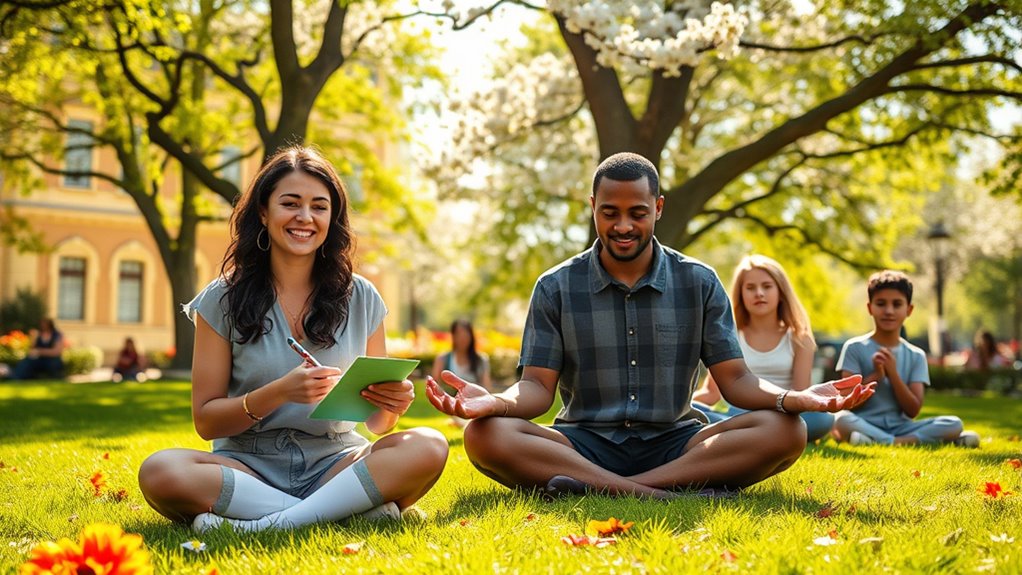
Positive psychology exercises are practical tools you can use to boost your well-being and foster a more optimistic outlook on life. One effective way to do this is by incorporating mindfulness practices into your daily routine. Mindfulness involves paying deliberate attention to the present moment without judgment. When you practice mindfulness, you become more aware of your thoughts, feelings, and bodily sensations, which helps you manage stress and reduce negative thinking. You can start small by taking a few minutes each day to focus on your breath, observing each inhale and exhale. As you become more comfortable, you might try mindful walking or eating, fully immersing yourself in the experience. Mindfulness practices not only ground you in the present but also cultivate a sense of calm and clarity that enhances overall well-being. Developing these skills can also contribute to improved emotional resilience and better health outcomes over time.
Another powerful positive psychology exercise is gratitude journaling. This practice encourages you to regularly write down things you’re thankful for, shifting your focus from what’s lacking or stressful to what’s abundant and positive in your life. You don’t need elaborate entries—simple notes about acts of kindness, personal achievements, or moments of joy work just fine. When you keep a gratitude journal, it rewires your brain to notice goodness more frequently, fostering a more optimistic outlook. Regularly reflecting on gratitude can boost your mood, increase resilience, and improve your relationships, as it encourages appreciation and connection. You might find it helpful to set aside a few minutes each evening to jot down three to five things you appreciated during the day. Over time, this habit can become a natural part of your routine, helping you cultivate a more positive mindset even during challenging times.
Combining mindfulness practices with gratitude journaling can amplify their benefits. For example, you could start your day with a brief mindfulness session followed by listing things you’re grateful for, setting a positive tone for the hours ahead. Alternatively, ending your day with a gratitude journal entry while practicing mindfulness can help you reflect on what went well and foster a sense of contentment. These exercises are simple yet powerful tools that require just a few moments but can lead to significant improvements in your mental health. They encourage a shift in perspective, helping you see the good amid life’s ups and downs. Engaging in well-being strategies regularly can help reinforce these positive habits and support sustained mental health benefits. By making these practices a regular part of your routine, you’ll gradually build resilience and develop a more optimistic outlook that sustains you through everyday stresses and challenges.
As an affiliate, we earn on qualifying purchases.
Frequently Asked Questions
Can These Exercises Be Effective for Children?
Yes, these exercises can be effective for children, helping with child development and emotional resilience. When you introduce positive psychology activities tailored to their age, children learn to recognize their strengths, manage emotions, and build confidence. You actively support their growth by encouraging gratitude or mindfulness practices, which foster healthier emotional regulation. Consistent practice can boost their resilience, making it easier for them to navigate challenges and develop a positive outlook on life.
How Long Does It Take to See Results?
Results from these exercises often bloom like spring flowers, but timing expectations vary. Some people notice improvements within a few days, while others take several weeks. Be patient and consistent, knowing that realistic outcomes develop over time, like a garden flourishing with care. You might see changes in mood or outlook in as little as a week, but lasting benefits usually require ongoing effort. Keep at it, and positive shifts will follow.
Are These Exercises Suitable for Everyone?
These exercises are generally suitable for most people, but you should consider cultural applicability and age appropriateness. Some activities might resonate differently depending on your background or age group. Feel free to adapt exercises to fit your cultural norms and life stage. If certain practices don’t feel right, modify or choose alternative exercises that better align with your values and circumstances for more effective results.
Can Positive Psychology Improve Mental Health Conditions?
Yes, positive psychology can improve mental health conditions when combined with practices like mindfulness training and gratitude journaling. These exercises help you focus on the present moment, reduce stress, and foster a more positive outlook. By regularly practicing mindfulness and gratitude, you can build resilience, manage symptoms more effectively, and enhance overall well-being. Just remember, these techniques work best when integrated into your broader mental health care plan.
How Often Should I Practice These Exercises?
Practicing positive psychology exercises is like watering a plant; consistency helps it flourish. You should aim to incorporate these exercises into your daily routines for the best results. Doing them regularly, ideally every day, builds habits that enhance your mental well-being over time. The consistency benefits your progress, making positive changes more lasting. So, commit to a daily practice, and you’ll notice a steady boost in your happiness and resilience.
As an affiliate, we earn on qualifying purchases.
Conclusion
By trying these positive psychology exercises today, you’re taking simple steps toward a happier, more resilient mindset. Did you know that just expressing gratitude can boost your overall well-being by up to 25%? Imagine feeling more energized and optimistic every day—with just a few minutes of effort. So go ahead, pick one exercise, and start transforming your outlook now. Small actions can lead to big, lasting changes in your happiness.
As an affiliate, we earn on qualifying purchases.
guided mindfulness meditation app
As an affiliate, we earn on qualifying purchases.
As an affiliate, we earn on qualifying purchases.
Fall Picks
fall essentials
As an affiliate, we earn on qualifying purchases.