
Rebuilding trust after conflict or betrayal involves honest communication, consistent actions, and patience. Acknowledge your feelings, communicate openly using “I” statements, and listen actively to understand each other’s perspectives. Small, reliable gestures over time reinforce trust and create emotional safety. Remember, healing is gradual—setbacks are normal, but continuous effort and empathy help rebuild a stronger connection. If you keep exploring these strategies, you’ll discover more ways to foster resilience and restore trust.
Key Takeaways
- Engage in honest, open communication to clarify misunderstandings and express feelings with empathy.
- Demonstrate consistency through reliable actions and follow through on promises to rebuild reliability.
- Practice patience, allowing time for emotional healing and gradual trust renewal.
- Acknowledge and process emotions like hurt and disappointment to foster genuine forgiveness.
- Focus on creating a healthy, respectful relationship by prioritizing transparency and mutual understanding.

Trust, once broken, can feel nearly impossible to restore, but it’s achievable with intentional effort. When you’ve experienced betrayal or conflict, the journey to rebuild trust begins with emotional healing. It’s essential to acknowledge and process your feelings—hurt, anger, disappointment—without rushing to forgive. Giving yourself time to grieve the loss of trust allows you to heal internally before attempting to mend the relationship. During this phase, self-reflection helps you understand what you need to feel safe again and what boundaries might be necessary moving forward. Emotional healing isn’t linear, and patience is key; rushing the process can undermine your progress and delay real reconciliation.
Once you’re on the path to healing, effective communication becomes your strongest tool. Open, honest conversations help clarify misunderstandings and rebuild a foundation of trust. When you approach these talks, focus on expressing your feelings without blame. Use “I” statements to convey your experience and avoid accusations that could escalate conflicts. Listening actively is equally important—truly hear what the other person is saying, and show empathy for their perspective. This kind of communication fosters connection and demonstrates your commitment to rebuilding the relationship. Remember, effective communication isn’t just about speaking; it’s about creating space for mutual understanding and respect.
Building trust again also requires consistency and reliability. As you work through emotional healing and open dialogue, small, consistent actions prove your sincerity and commitment. Follow through on promises and be transparent about your feelings and intentions. Trust is rebuilt gradually, and each positive interaction adds to the foundation. It’s vital to stay patient and avoid rushing the process, recognizing that setbacks may occur. When they do, use them as opportunities for further emotional healing and honest dialogue. This ongoing effort shows your dedication to restoring trust, and over time, it can strengthen your relationship even more than before.
Finally, remember that rebuilding trust isn’t solely about fixing the past—it’s about creating a healthier, more honest future together. By prioritizing emotional healing and practicing effective communication, you set the stage for genuine reconciliation. It takes perseverance, empathy, and clarity, but with those elements in place, trust can be restored, and your relationship can emerge stronger than ever. Trust isn’t lost forever; it’s just waiting to be rebuilt through mindful, intentional actions. Incorporating an understanding of the importance of trust repair can help guide your efforts and foster a more resilient relationship.

I Love You But I Don't Trust You: The Complete Guide to Restoring Trust in Your Relationship
As an affiliate, we earn on qualifying purchases.
As an affiliate, we earn on qualifying purchases.
Frequently Asked Questions
How Long Does It Typically Take to Rebuild Trust?
Rebuilding trust can take anywhere from months to years, depending on the situation and both people’s efforts. You need patience and consistent honesty, showing that you’re committed to change. Trust timeline varies because healing depends on how genuine your actions are. Remember, rebuilding patience is key—stay dedicated, communicate openly, and give yourself time to see progress. Trust isn’t restored overnight, but with perseverance, it can eventually return stronger.
Can Trust Ever Be Fully Restored After Betrayal?
Trust can be fully restored after betrayal, but it’s a slow process that depends on your forgiveness journey and emotional healing. You might find that genuine reconciliation takes time, effort, and consistent honesty from both of you. While complete restoration is possible, it requires patience and a willingness to work through pain. Trust may look different afterward, but with commitment, you can rebuild a stronger, more resilient relationship.
What Signs Indicate Genuine Remorse From the Betrayer?
Ever wonder how you can tell if someone’s truly remorseful? Genuine remorse shows through sincere apology sincerity and emotional openness. When they consistently acknowledge their mistake without defensiveness, it’s a strong sign. They actively listen to your feelings and take responsibility. Do their actions match their words? If they’re committed to making amends and demonstrate ongoing effort, it indicates authentic remorse, helping rebuild trust over time.
How Should I Handle Setbacks During the Rebuilding Process?
When setbacks happen, you should stay emotionally resilient by recognizing it’s normal to face challenges. Use honest communication strategies to express your feelings and concerns openly, ensuring both of you stay engaged. Take breaks if needed, and don’t rush the process. Focus on small progress, celebrate successes, and remind yourself that rebuilding trust takes time. With patience and consistent effort, you’ll gradually strengthen your relationship again.
Is Professional Therapy Necessary for Rebuilding Trust?
Professional therapy isn’t always necessary, but it can substantially boost your emotional resilience and improve communication skills. If you find it hard to navigate your feelings or rebuild trust effectively, a therapist offers a safe space to explore these issues. They can provide tailored strategies that help you process emotions, develop healthier communication, and strengthen your relationship. Ultimately, therapy is a valuable tool, but your commitment makes the biggest difference.

Worry for Nothing: Guided Anxiety Journal, Cognitive Behavioral Therapy Mental Health Journal, Anxiety Relief & Self Care, Journal for Men & Women, Mental Health Gifts
IMPROVES MENTAL HEALTH: Use this journal to improve mindfulness, uncover triggers, track physical and emotional sensations, document your…
As an affiliate, we earn on qualifying purchases.
As an affiliate, we earn on qualifying purchases.
Conclusion
Just as the phoenix rises from its ashes, you can rebuild trust even after conflict or betrayal. It takes patience, sincere effort, and a willingness to heal. Remember, every step forward is like weaving a new chapter in your story—one where hope and understanding shine. So, hold onto the belief that, like the dawn following night, trust can be restored, brighter than ever. Trust is a journey, and yours is just beginning.
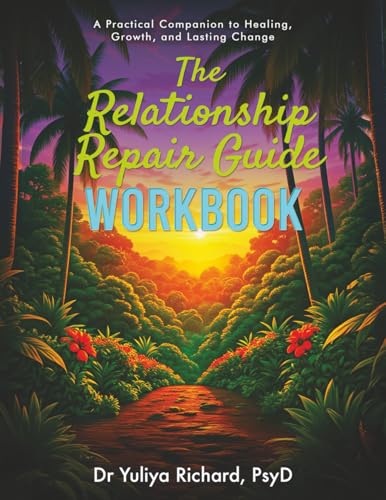
The Relationship Repair Workbook: Practical Exercises to Break Toxic Patterns: , Rebuild Trust, and Strengthen Your Connection (The Relationship Repair Series)
As an affiliate, we earn on qualifying purchases.
As an affiliate, we earn on qualifying purchases.

Couples Therapy Workbook: Strategies to Connect, Restore Love and Trust, Improve Communication Intimacy and Validation: A Relationship Workbook for Couples
As an affiliate, we earn on qualifying purchases.
As an affiliate, we earn on qualifying purchases.