
Planning your own wellness getaway allows you to create a personalized self-care experience that renews your mind, body, and spirit. Choose a calming environment and incorporate mindful activities like meditation, gentle yoga, and journaling for self-awareness. Focus on nourishing meals and stay eco-friendly with sustainable tools. Prioritize relaxation, reflection, and emotional balance to make your retreat truly restorative. If you keep exploring, you’ll discover how to craft a rejuvenating journey tailored just for you.
Key Takeaways
- Choose a calming environment and eco-friendly tools to create a peaceful, sustainable retreat space.
- Incorporate daily mindfulness practices like meditation, gentle yoga, and guided awareness sessions.
- Plan nourishing meals with wholesome ingredients and stay hydrated to support relaxation and overall wellness.
- Schedule time for reflection and journaling to foster self-awareness and emotional balance.
- Personalize activities to fit your comfort levels, ensuring a restorative and rejuvenating wellness getaway.

Self-care retreats offer a rejuvenating escape from daily stress, giving you a chance to prioritize your well-being. When planning your own wellness getaway, focusing on activities that foster relaxation and mental clarity is essential. Incorporating mindfulness exercises into your retreat allows you to reconnect with the present moment, reducing anxiety and promoting emotional balance. You might start each day with a simple meditation or breathing exercise, helping you set a calm tone and clear your mind. Gentle yoga or guided mindfulness sessions can deepen this experience, encouraging you to become more aware of your thoughts and sensations without judgment. These practices can be tailored to your comfort level, ensuring you feel relaxed and engaged throughout your retreat. Additionally, selecting appropriate energy-efficient tools can help maintain a sustainable and calming environment during your retreat.
Nutritional planning plays a crucial role in supporting your overall well-being during your self-care escape. Preparing nourishing meals or snacks ahead of time ensures you fuel your body with wholesome ingredients, which enhances your energy and mood. Consider incorporating fresh fruits, vegetables, whole grains, and lean proteins into your menu. Drinking plenty of water and herbal teas can also help you stay hydrated and promote detoxification. If you’re staying at a retreat center, check if they offer specialized meal options or cooking classes focused on healthy eating. If you’re creating the retreat at home or in a private space, plan your meals to avoid processed foods and excessive sugar, which can undermine your relaxation efforts. Nutritional planning not only sustains your physical health but also supports mental clarity, making it easier to enjoy mindfulness exercises and other wellness activities.
To maximize your retreat experience, schedule time for reflection and journaling, which complements mindfulness and nutritional efforts. Writing about your feelings and insights can deepen your self-awareness and help you process emotions that may have been overlooked in daily life. Remember, the goal is to create a nurturing environment that encourages self-discovery and relaxation. By thoughtfully planning your days around mindfulness exercises and nutritious meals, you set the stage for a truly restorative experience. Whether you’re seeking stress relief, emotional balance, or simply a break from routine, these elements will help you craft a personalized retreat that leaves you feeling refreshed and re-centered. Keep your intentions clear, stay present, and enjoy the journey toward enhanced well-being.
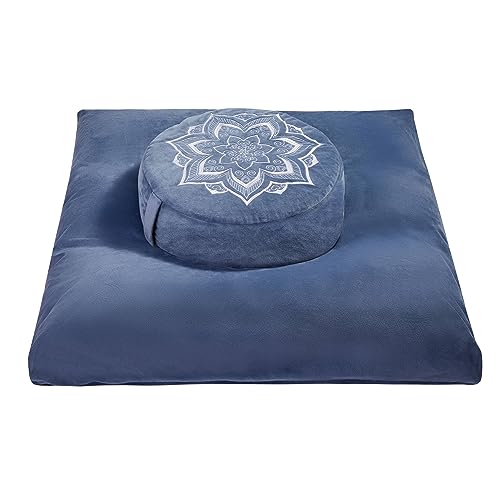
hunnidspace Meditation Zafu Cushion Set with Buckwheat Hulls & Memory Foam – Ergonomic Support for Yoga & Sitting – Removable Machine-Washable Luxury Velvet Cover – for Adults and Kids (Blue)
🌟 SAY GOODBYE TO KNEE & LEG PAIN Experience cloud-like support with our dual-layer system: Premium shredded memory…
As an affiliate, we earn on qualifying purchases.
As an affiliate, we earn on qualifying purchases.
Frequently Asked Questions
How Do I Choose the Best Location for My Retreat?
To choose the best location for your retreat, focus on retreat venue selection that aligns with your goals. Start with destination research to find a tranquil, accessible spot that offers natural beauty and amenities. Consider your attendees’ preferences, climate, and activities available. Visit potential venues if possible, and guarantee the environment supports relaxation and wellness. Ultimately, select a location that inspires serenity and makes your wellness getaway memorable.
What Budget Should I Allocate for a Personalized Wellness Getaway?
You should allocate a flexible budget of around $1,500 to $3,000 per person for your wellness getaway. This allows for luxury upgrades like spa treatments or private classes and takes advantage of group discounts, which can considerably reduce costs. Keep in mind, expenses vary based on location and activities, so plan ahead to balance indulgence with affordability, ensuring a rejuvenating experience without overspending.
How Can I Ensure Privacy During My Retreat?
To guarantee privacy during your retreat, set clear retreat boundaries with your hosts or organizers, specifying your need for solitude and quiet. Use privacy tips like choosing a secluded location, requesting private accommodations, and limiting digital access to avoid interruptions. Communicate your privacy needs upfront and establish boundaries with fellow participants if applicable. Taking these steps helps create a peaceful, undisturbed environment, allowing you to fully enjoy your wellness getaway.
Are There Recommended Activities for Different Age Groups?
You should choose age-appropriate activities tailored to each group’s interests and abilities, ensuring everyone feels engaged. For kids, consider nature walks or creative crafts, while adults might enjoy yoga or meditation sessions. For seniors, gentle exercises and relaxation techniques work well. Incorporate family-friendly options like shared outdoor games or storytelling. Planning a variety of age-specific activities guarantees a fun, inclusive retreat where everyone can unwind and connect comfortably.
How Do I Maintain Self-Care Routines After Returning Home?
Research shows that sustaining self-care routines boosts mental health. To maintain yours, incorporate daily mindfulness techniques and journaling practices into your schedule. Set aside a specific time each day to reflect and breathe deeply, making self-care a non-negotiable part of your routine. Keep your goals realistic, and remember, consistency matters more than perfection. This way, you’ll continue to nurture your well-being long after your retreat ends.

ViraAxis Foldable Yoga Mat and Blocks Set for Women with 2 Pack Yoga Blocks and Strap,Thin Non Slip Pilates Mat with Bag, Home Workout Equipment Essentials Starter Kit for Beginners Full Body Toning
💕️𝐀𝐥𝐥-𝐢𝐧-𝐨𝐧𝐞 𝐲𝐨𝐠𝐚 𝐚𝐜𝐜𝐞𝐬𝐬𝐨𝐫𝐢𝐞𝐬: Complete yoga mat set for women including a foldable purple yoga mat, 2 pack yoga…
As an affiliate, we earn on qualifying purchases.
As an affiliate, we earn on qualifying purchases.
Conclusion
Now that you know how to plan your own wellness retreat, you’re planting the seeds for a garden of self-care that blooms with peace and renewal. Think of this getaway as a nourishing anchor in your busy life, grounding you amidst life’s storms. With your personalized retreat, you’ll sail smoothly toward balance and relaxation. So, take the helm, chart your course, and let your self-care journey be a lighthouse guiding you home.
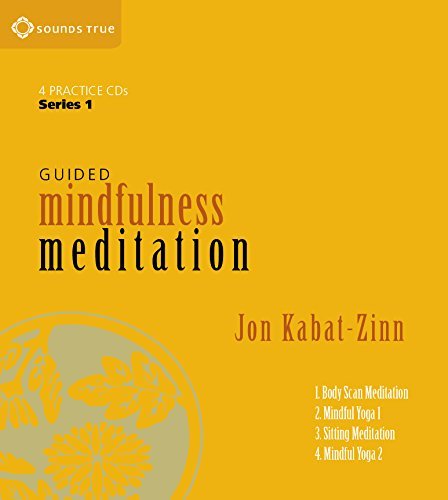
Guided Mindfulness Meditation Series 1
As an affiliate, we earn on qualifying purchases.
As an affiliate, we earn on qualifying purchases.

EcoTools Dry Body Brush, Cruelty-Free Bristles Exfoliate & Smooth Skin, Dry Brushing Removes Flaky Skin, May Help Improve Circulation & Tone, Eco-Friendly Skincare Tool, Vegan & Cruelty-Free, 1 Count
Includes (1) dry brush
As an affiliate, we earn on qualifying purchases.
As an affiliate, we earn on qualifying purchases.