
Getting quality sleep is crucial for your mood and emotional resilience. When your sleep is regular and restful, especially during REM cycles, it helps process emotions, reduces stress, and stabilizes your mood. Poor sleep or disrupted dreams can lead to irritability, anxiety, and depression. By adopting good sleep hygiene and habits, you support healthier emotional regulation. Keep exploring to discover effective ways to improve your sleep and boost your mental well-being.
Key Takeaways
- Adequate sleep supports emotional regulation and resilience, reducing risks of mood disorders.
- Consistent dream patterns during REM sleep help process emotions and promote mental well-being.
- Poor sleep hygiene can disrupt REM cycles, leading to irritability, anxiety, and depression.
- Restful sleep enhances mood stability by consolidating memories and managing stress effectively.
- Implementing good sleep habits improves sleep quality, positively impacting overall mental health.

Have you ever wondered how your sleep habits impact your mental health? The connection is more direct than you might think. Your sleep isn’t just about resting; it plays an essential role in regulating your mood and emotional resilience. One way to understand this link is by looking at your dream patterns. Dreams often reflect your subconscious mind and emotional state. When your sleep is disrupted or when you experience irregular dream patterns, it can signal underlying stress or anxiety. Conversely, restful, consistent dreams tend to be associated with better mental health. To foster healthier dream patterns, prioritizing good sleep hygiene is indispensable. Sleep hygiene involves habits and routines that promote quality sleep. This includes maintaining a regular sleep schedule, creating a calming bedtime routine, and ensuring your sleep environment is comfortable and free of distractions. When you follow good sleep hygiene, you support your brain’s ability to cycle through the different sleep stages, including REM sleep, which is fundamental for processing emotions and consolidating memories. During REM, vivid dreams occur, and this stage is essential for emotional regulation. Disrupted REM sleep can lead to increased irritability, anxiety, and even depression. Hence, when your sleep hygiene is compromised, your dream patterns may become irregular or fragmented, impacting your mood the next day. Improving sleep hygiene can help stabilize your dream patterns, which, in turn, enhances your overall mental health. Simple changes like avoiding caffeine before bed, limiting screen time, and establishing a relaxing pre-sleep routine can make a significant difference. Additionally, managing stress during the day through mindfulness or physical activity can reduce nighttime anxiety that interferes with your sleep quality. When you take these steps, you help your brain process emotional experiences more effectively, which can lead to more positive dream patterns and a steadier mood. Proper sleep not only supports mental health but also helps maintain the integrity of your sleep cycles, including REM sleep. Remember, sleep isn’t just a passive activity; it’s an active process that supports your mental well-being. By paying attention to your sleep hygiene and understanding your dream patterns, you can take control of your emotional health. Good sleep fosters resilience, helps combat daily stress, and keeps your mood balanced. Ultimately, investing in quality sleep isn’t just about feeling rested—it’s an integral component of maintaining a healthy mind.

Ultra Pain Relief Cooling Pillow for Neck Support, Adjustable Cervical Pillow Cozy Sleeping, Odorless Ergonomic Contour Memory Foam Pillows, Orthopedic Bed Pillow for Side Back Stomach Sleeper
REVOLUTIONIZE YOUR SLEEP WITH THE INNOVATIVE HOLLOW CONCAVE DESIGN – Tired of waking up with neck pain and…
As an affiliate, we earn on qualifying purchases.
As an affiliate, we earn on qualifying purchases.
Frequently Asked Questions
Can Sleep Deprivation Cause Long-Term Mental Health Issues?
Yes, sleep deprivation can cause long-term mental health issues. When you don’t get enough sleep, it disrupts your sleep hygiene and affects your mood, increasing risks of anxiety and depression. Poor sleep also hampers dream analysis, which helps process emotions. Over time, these issues can worsen, making it essential to prioritize consistent, restful sleep to protect your mental well-being and maintain emotional stability.
How Does Sleep Quality Affect Anxiety Levels?
Ironically, good sleep quality can seem elusive when anxiety’s high. When your sleep hygiene suffers, you might experience poor dream recall and restless nights, which only heighten your anxiety. Proper sleep helps regulate your mood, so prioritizing consistent sleep routines can break this cycle. By improving sleep quality, you’ll notice your anxiety levels decrease, making it easier to face daily stresses with a calmer mind.
What Role Does REM Sleep Play in Mood Regulation?
REM sleep plays a vital role in mood regulation by processing emotions and consolidating memories. During this sleep stage, you often experience dream recall, which helps you work through emotional experiences. A healthy sleep cycle that includes sufficient REM sleep allows your brain to reset emotionally, reducing stress and improving your overall mood. Prioritizing quality sleep guarantees your mood stays balanced and resilient.
Are There Specific Sleep Patterns Linked to Depression?
You might notice that irregular sleep patterns, especially those involving frequent dream disturbances, often signal deeper mood challenges. Disruptions in your sleep cycle, such as difficulty reaching or maintaining REM sleep, are linked to depression. These patterns can create a cycle where poor sleep worsens mood, and worsening mood further disturbs your sleep. Paying attention to your sleep routine and seeking support can help restore balance and improve your mental well-being.
How Quickly Can Sleep Improvements Impact Mental Health?
You can notice mental health improvements within days of improving your sleep hygiene. Establishing consistent sleep routines and analyzing your dreams can help identify underlying stressors affecting your mood. While some people experience quick benefits, others may need weeks. Prioritizing quality sleep, managing stress, and considering dream analysis can accelerate positive changes, making you feel more balanced and resilient sooner.
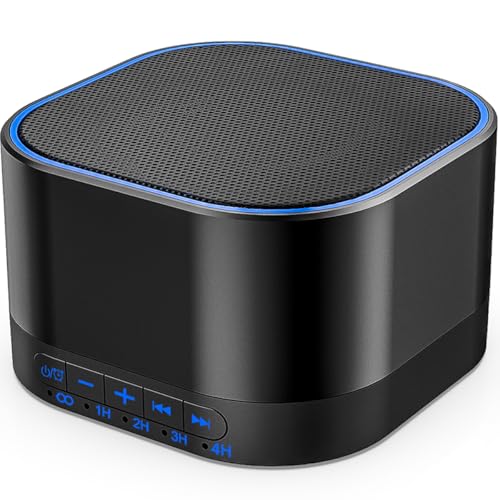
Magicteam Sound White Noise Machine with 20 Non Looping Natural Soothing Sounds and Memory Function 32 Levels of Volume Powered by AC or USB and Sleep Sound Timer Therapy for Baby Kids Adults
❤20 Non-Looping Sleep Sounds: White noise ,Brown noise, pink noise, blue noise, fan,brook, rain, ocean,bird and Bonfire,suitable for…
As an affiliate, we earn on qualifying purchases.
As an affiliate, we earn on qualifying purchases.
Conclusion
Think of sleep as the sturdy bridge connecting your mind and mood. When you prioritize rest, you’re strengthening that bridge, allowing positive thoughts to flow smoothly and stress to stay at bay. Skipping sleep chips away at that connection, making your mental health harder to navigate. So, make rest a non-negotiable part of your routine—because a well-rested mind is like a bright lighthouse guiding you safely through life’s storms.

LKY DIGITAL Sleep Mask for Side Sleeper 3 Pack, Blackout 3D Eye Mask for Sleeping, Night Blindfold for Men Women
100% Blocking Light: Human engineering contour can improve 99% lightproof performance, to achieve a total darkness, perfectly match…
As an affiliate, we earn on qualifying purchases.
As an affiliate, we earn on qualifying purchases.

Sleep Essential Oil Blend for Diffuser – Dream Essential Oils for Diffusers Aromatherapy and Relaxation with Clary Sage Ylang-Ylang Roman Chamomile and Lavender for Sleep Time Support (1 Fl Oz)
Aromatherapy Oils for Diffuser – Try our dream aromatherapy diffuser oils blend with lavender oil chamomile oil clary…
As an affiliate, we earn on qualifying purchases.
As an affiliate, we earn on qualifying purchases.