Spring cleaning can backfire if you neglect safety. Mixing cleaners or overusing chemicals can cause toxic fumes, while clutter and electrical hazards increase fire risks. Protect yourself by wearing gloves, masks, and ensuring proper ventilation. Keep flammable items away from heat sources and regularly check smoke detectors. Safe disposal of chemicals and careful handling of heavy furniture prevent accidents. Staying aware of these essential habits helps you avoid common pitfalls—stick around to learn more about keeping your home truly safe during cleaning.

Get beauty and skincare favorites delivered free with Prime
- Fast, free delivery on millions of items
- Prime Video, Amazon Music and more included
- Member-only deals all year
Key Takeaways
- Using chemical cleaning products improperly can cause harmful fumes and skin or eye irritation.
- Clutter and overloaded outlets increase fire risk during spring cleaning.
- Proper disposal and storage of chemicals prevent accidental poisoning and reactions.
- Regularly inspecting smoke detectors and fire extinguishers enhances fire safety.
- Wearing protective gear and lifting techniques minimizes health and physical injuries.
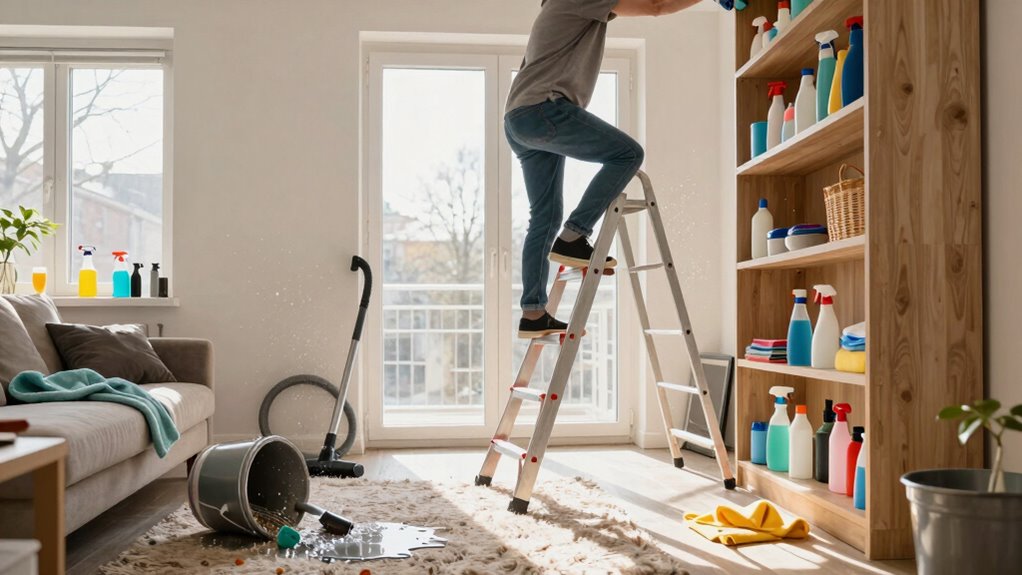
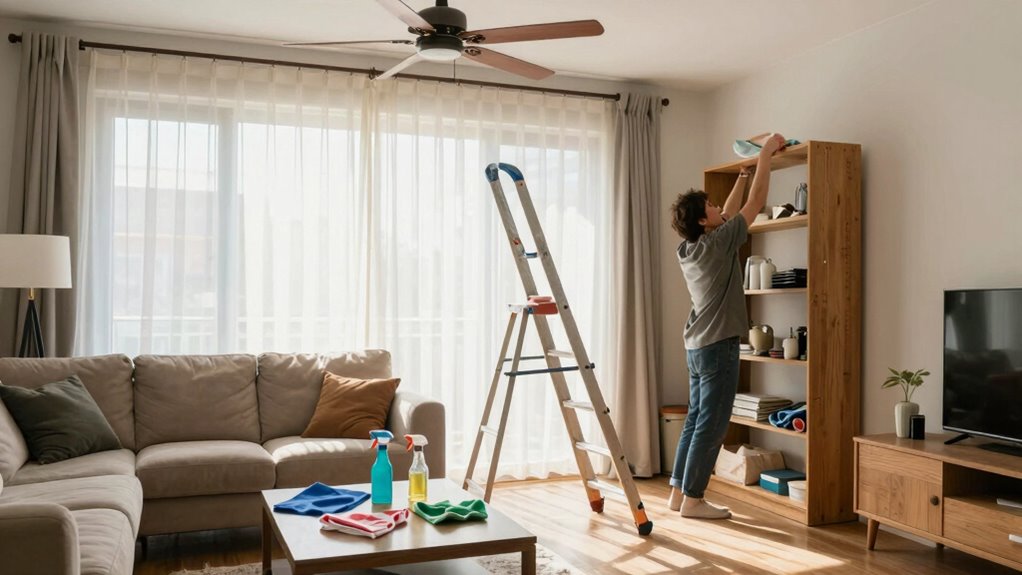
Spring cleaning might seem like the perfect time to refresh your home, but if you’re not careful, some habits could do more harm than good. While scrubbing and decluttering are essential for a clean space, rushing into cleaning without proper precautions can introduce serious risks, especially regarding chemical hazards and fire prevention. Many cleaning products contain chemicals that can irritate your skin, eyes, and respiratory system if mishandled or used improperly. When mixing different cleaners or overusing them, you might accidentally create toxic fumes or reactions that can harm your health. That’s why it’s imperative to read labels carefully, guarantee proper ventilation, and avoid mixing products unless specifically instructed. Using natural or less toxic alternatives can also reduce exposure to dangerous chemicals, making your spring cleaning safer.
In addition to chemical hazards, neglecting fire prevention during your cleaning spree can lead to accidents. Cluttered spaces, especially those filled with paper, fabric, and other flammable materials, increase the risk of fires. When you’re moving furniture or cleaning around electrical outlets, cords, or appliances, be mindful of potential fire hazards. Overloading outlets or leaving appliances plugged in while cleaning can spark a fire, especially if dust or debris accumulates around them. Always unplug appliances before cleaning or moving them, and keep flammable materials away from heat sources. Regularly inspecting smoke detectors and fire extinguishers is also an essential step in fire prevention, ensuring they’re functional should an emergency arise. Additionally, understanding and practicing fire safety measures can significantly reduce the risk of accidents during your cleaning routine. Incorporating home safety habits** into your cleaning routine can help prevent many common hazards. Staying informed about home safety tips can further enhance your preparedness and safety. Remember, many home safety hazards** can be mitigated with proper planning and awareness.
Another overlooked safety habit involves the proper disposal of cleaning supplies and waste. Many people forget to dispose of empty chemical containers properly, which can lead to chemical spills or leaks that pose health and fire hazards. Make sure to follow disposal instructions on product labels and store leftover chemicals out of reach of children and pets. Proper storage also helps prevent accidental ignition or chemical reactions that could lead to fires or toxic fumes. Additionally, storing chemicals in clearly labeled, secure containers helps prevent accidental misuse or dangerous reactions. Ensuring these safety measures are in place creates a safer environment for everyone involved.
Finally, don’t forget about personal safety. Wearing gloves, masks, and eye protection can shield you from chemical exposure, especially when dealing with strong cleaners or dust. Lifting heavy furniture without proper technique can cause injuries, so take your time and ask for help if needed. By focusing on these safety habits—minimizing chemical hazards, practicing fire prevention, and taking personal precautions—you’ll guarantee your spring cleaning leaves your home healthier and safer, rather than risking unintended accidents or hazards.
As an affiliate, we earn on qualifying purchases.
Frequently Asked Questions
How Often Should I Perform Safety Checks During Spring Cleaning?
You should perform safety checks at least once during your spring cleaning routines. Use a safety checklist to guarantee you don’t miss important details like inspecting smoke detectors, checking for leaks, or clearing clutter from exits. Regularly updating your safety habits helps prevent accidents. Incorporate these checks into your routine, especially when deep-cleaning areas prone to hazards, so your home stays safe and clean all season long.
Are Certain Cleaning Products More Hazardous Than Others?
Yes, some cleaning products are more hazardous than others. Chemical hazards and toxic fumes can pose serious health risks, especially if you don’t use them properly. Avoid mixing cleaners, and always ventilate the area well. Look for products labeled non-toxic or environmentally friendly. You’re better off choosing natural alternatives when possible to minimize exposure to dangerous chemicals and reduce the risk of respiratory issues or skin irritation.
What Are Common Safety Mistakes During Deep Cleaning?
You might accidentally create chaos when you neglect safety during deep cleaning. For example, chemical spills can cause slips or skin irritation, while rushing to clean electrical outlets or wiring can lead to shocks or fires. Always read labels carefully, keep chemicals away from children, and unplug appliances before cleaning. Stay alert to electrical hazards and handle spills promptly to prevent accidents. A cautious approach keeps your home safe and your cleaning effective.
How Can I Prevent Accidental Fires While Cleaning?
To prevent accidental fires while cleaning, you should stay alert to electrical hazards and chemical spills. Avoid overloading outlets and unplug devices before cleaning nearby. Keep flammable chemicals away from heat sources and never mix cleaning products that could produce dangerous fumes. Always read labels and follow safety instructions. If you notice exposed wiring or leaks, address them immediately or call a professional. These habits help keep your home safe and fire-free.
What Safety Gear Should I Wear During Spring Cleaning?
Think of spring cleaning as a shield for your safety. You should wear protective gloves to guard against harsh chemicals and dirt, and respiratory masks to avoid inhaling dust, mold, or fumes. These safety gear essentials act like armor, keeping you safe from potential irritants and contaminants. By donning gloves and masks, you protect your skin and lungs, making your cleaning routine safer and more effective.
As an affiliate, we earn on qualifying purchases.
Conclusion
Remember, while spring cleaning is tempting, safety should always stay supreme. Skip shortcuts, stay vigilant, and safeguard your space with smart habits. Simple steps, such as checking smoke alarms and storing chemicals securely, can save you from serious setbacks. Don’t let cleaning chaos cause costly consequences. Prioritize prevention over panic, and keep your home healthy, happy, and hazard-free. Stay safe, stay sensible, and enjoy a truly trouble-free spring season!
smoke detector with carbon monoxide alarm
As an affiliate, we earn on qualifying purchases.
As an affiliate, we earn on qualifying purchases.
protective cleaning gloves and masks
As an affiliate, we earn on qualifying purchases.
As an affiliate, we earn on qualifying purchases.
Columbus Day / Indigenous Peoples' Day Picks
long weekend sales
As an affiliate, we earn on qualifying purchases.