To teach kids about environmental stewardship, start early by making it fun and practical. Show them how to recycle by turning it into games and praise their efforts. Take them outside often to explore nature and observe wildlife, helping them develop a genuine connection with the environment. Use stories, hands-on projects like planting or composting, and discuss how pollution harms ecosystems. Keep guiding them to understand that their small actions can make a big difference—all while discovering more ways to inspire responsible habits.
Key Takeaways
- Start early by integrating environmental topics into daily routines and modeling responsible behaviors.
- Use outdoor explorations and nature visits to foster curiosity and a genuine appreciation for the environment.
- Teach waste sorting and recycling through fun activities, challenges, and consistent practice.
- Explain environmental impacts of pollution and deforestation using real-life observations during outdoor outings.
- Engage children in hands-on projects like planting or composting to develop a sense of environmental responsibility.
Teaching kids about environmental stewardship is essential for fostering a generation that cares for the planet. When you start early, you help them develop habits that last a lifetime. One of the most effective ways to do this is by encouraging good recycling habits. Kids often mimic what they see, so showing them how to sort recyclables—plastic, paper, glass—instills a sense of responsibility. Make it fun by turning recycling into a game or challenge, rewarding their efforts with praise or small incentives. As they learn to reduce waste, they begin to see how their actions directly impact the environment. Reinforcing these habits at home and in school helps solidify their understanding that small actions matter.
Nature exploration is another powerful tool for teaching environmental stewardship. Take your kids outside regularly and immerse them in the natural world. Walk through parks, forests, or even your backyard, pointing out the plants, animals, and ecosystems around you. When children experience nature firsthand, they develop a genuine appreciation and curiosity for the environment. Encourage them to observe insects, listen to bird songs, or collect leaves and rocks. These activities foster a connection that goes beyond textbooks, making environmental issues real and relevant to them.
During nature exploration, you can introduce concepts like the importance of conservation and the impact of pollution. Explain how littering harms wildlife or how deforestation affects the climate. When kids see the consequences firsthand, they’re more likely to understand why protecting nature is crucial. Use these outings as opportunities for teaching about sustainability and responsible behavior, such as staying on trails to avoid disturbing wildlife or picking up trash they find along the way. Educating children about environmental facts helps them grasp the significance of their actions and the urgency of protecting our planet.
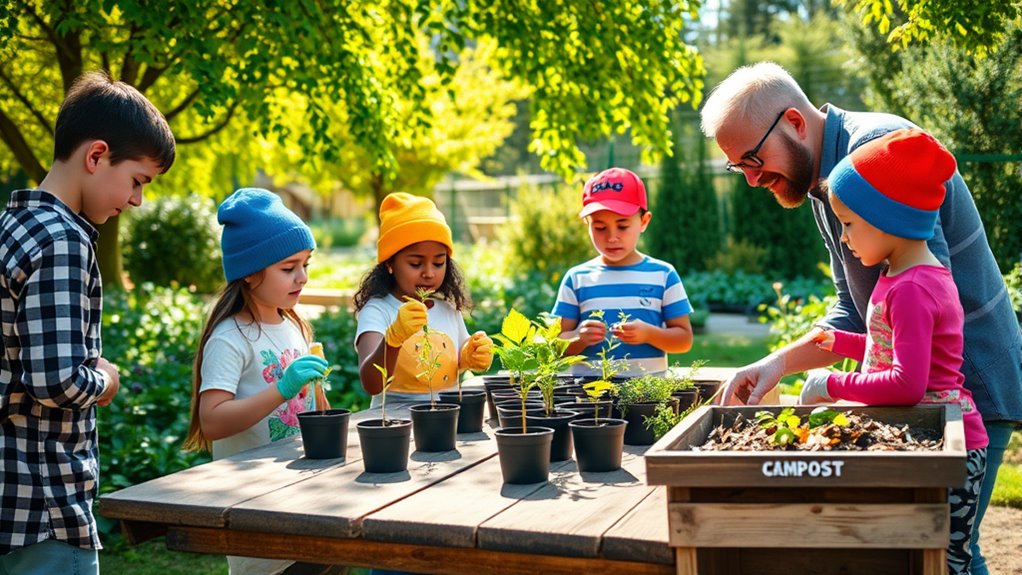
Incorporate storytelling and hands-on activities to deepen their understanding. For example, you might read books about animals or plants, then visit local natural sites to see those species in their habitats. Planting trees, creating butterfly gardens, or starting small compost bins at home are practical ways to involve them actively. These activities not only teach about environmental stewardship but also empower children to make a positive difference.
Ultimately, combining practical habits like recycling with engaging nature exploration helps to cultivate environmentally conscious kids. When you inspire curiosity, model responsible behavior, and make learning fun, you nurture a sense of stewardship that can grow into lifelong commitment. By fostering these habits early, you’re helping shape a future generation that understands the importance of caring for the planet and taking meaningful action to preserve it.

Cinrobiye Earth Day Recycling Sorting Game Learn to Recycle Activity Set Garbage Sorting Educational Game Classroom Recycling Activity Bulletin Board Decorations Earth Day Craft Kit
Complete Earth Day Recycling Activity Set:This recycling activity kit includes 5 trash can cards, 5 sorting boxes, 120…
As an affiliate, we earn on qualifying purchases.
As an affiliate, we earn on qualifying purchases.
Frequently Asked Questions
How Can I Motivate Reluctant Children to Care for the Environment?
You can motivate reluctant children by making outdoor activities fun and engaging, showing them the real beauty of nature. Use rewards and incentives to encourage participation, like stickers or small treats for helping plant trees or clean up a park. When kids see the positive impact their actions have, they’ll feel more connected and motivated to care for the environment. Keep activities playful, rewarding, and hands-on to build their enthusiasm naturally.
What Are Age-Appropriate Ways to Teach Complex Environmental Issues?
You might worry that complex environmental issues are too difficult for children, but you can make them accessible through interactive activities and visual aids. These tools simplify ideas, making them engaging and understandable. For example, use games to demonstrate pollution or show pictures of ecosystems. Such approaches help children grasp challenging concepts while having fun, fostering their curiosity and encouraging responsible behavior from a young age.
How Do I Incorporate Environmental Lessons Into Everyday Routines?
You can incorporate environmental lessons into everyday routines by involving your kids in recycling habits, making it fun and educational. Encourage outdoor activities like nature walks or gardening to teach them about ecosystems and conservation. Use these moments to discuss environmental impact, fostering a sense of responsibility. Simple actions like composting or turning off unused lights reinforce eco-friendly habits. This hands-on approach helps kids see how their daily choices can protect the environment.
Are There Specific Books or Resources Recommended for Kids?
Think of children’s literature as a garden where eco-friendly activities bloom. I recommend books like “The Curious Garden” by Peter Brown and “The Lorax” by Dr. Seuss, which inspire kids to care for nature. These resources make learning fun and relatable, helping children see themselves as environmental stewards. Incorporating these stories into daily routines encourages curiosity and action, making conservation a natural part of their world.
How Can I Measure My Child’s Understanding of Environmental Stewardship?
You can measure your child’s understanding of environmental stewardship by observing their children’s comprehension during conversations and activities. Use environmental quizzes to assess their knowledge and see how well they grasp key concepts. Pay attention to their actions, like recycling or conserving water, which reflect their values. Regularly asking questions and encouraging them to explain their ideas helps you gauge their understanding and reinforces their learning effectively.

DUYOYU Kids Plant Growing Kit – Kids Greenhouse & Flower Growing Kit with Upgraded Irrigation & Grow Light – Perfect Gardening for Kids(Solar Green)
【Mini Garden Experience: Build, Plant, and Observe】Our kid gardening kit allows children to experience the entire plant growth…
As an affiliate, we earn on qualifying purchases.
As an affiliate, we earn on qualifying purchases.
Conclusion
By teaching kids about environmental stewardship early on, you’re helping shape responsible future citizens. Did you know that children who learn about sustainability are 60% more likely to adopt eco-friendly habits? Your efforts can inspire a new generation to protect our planet. Keep encouraging curiosity and action—every small step they take today builds a healthier, greener tomorrow. Together, you’re making a lasting impact that benefits everyone and the Earth.

Educational Insights See-Through Compost Container – STEM Kits for Kids, Homeschool or Classroom Earth Science Kit, Practice Observation & Learn about Nature, Science Experiments for Kids Ages 4+
COME FACE-TO-FACE WITH DECOMPOSITION: Kids can observe the entire decomposition process and even track temperature changes across 3…
As an affiliate, we earn on qualifying purchases.
As an affiliate, we earn on qualifying purchases.

National Geographic Bug Catcher Kit for Kids – Kids Bug Habitat with Magnified Viewer, Bug Box, & Tweezers, Insect Habitat, Outdoor Toys, Bug Catching Kit, Bug Box, Easter Basket Gifts for Kids
CATCH BUGS & OBSERVE THEM UP CLOSE – With this bug catcher and habitat kit, kids can capture…
As an affiliate, we earn on qualifying purchases.
As an affiliate, we earn on qualifying purchases.