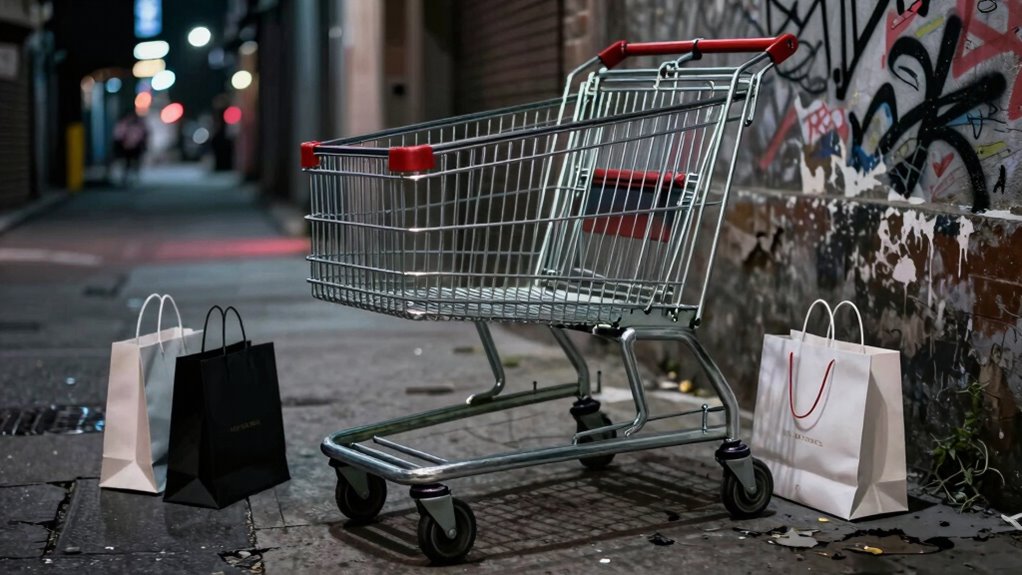

As you embrace underconsumption, you’ll find it feels like true luxury because it allows you to prioritize quality over quantity and live intentionally. Skipping excess and choosing simpler, meaningful experiences can reduce stress and bring contentment. This shift toward mindful living also aligns with sustainability and a deeper understanding of what’s truly important. If you’re curious, keep exploring how this minimalist approach transforms your perception of wealth and well-being.

Get beauty and skincare favorites delivered free with Prime
- Fast, free delivery on millions of items
- Prime Video, Amazon Music and more included
- Member-only deals all year
Key Takeaways
- Underconsumption simplifies life, offering a stress-free, mindful alternative to material excess, which many now see as a form of luxury.
- Prioritizing quality over quantity creates a sense of exclusivity and intentionality in consumption choices.
- Living with less aligns with sustainability, making minimalism a prestigious and environmentally responsible lifestyle.
- The shift from possessions to experiences elevates underconsumption to a meaningful, enriching form of luxury.
- Economic hardships have redefined luxury as control and purpose through mindful, deliberate consumption.

Have you ever wondered why some people choose to live with less, even when they can afford more? It’s a curious shift in consumer behavior that’s becoming more noticeable, especially in times of economic downturn. When the economy slows down, you might expect people to tighten their belts, but what’s interesting is how some are deliberately pulling back from excess. Instead of chasing after the latest gadgets or luxury brands, they find value in simplicity and restraint. This change isn’t just a reaction to financial hardship; it’s a conscious choice that transforms underconsumption into a kind of luxury itself.
During an economic downturn, you see a different mindset emerge. People become more selective with their spending, prioritizing quality over quantity. They might skip frequent dining out or opt for fewer, better-made clothes. This isn’t about deprivation but about redefining what’s truly important. The act of underconsuming—buying less, wasting less, and focusing on essentials—becomes a statement of control and purpose. It’s a way to resist the relentless push of consumer culture that encourages constant consumption. Instead, you’re choosing to embrace a slower, more mindful approach to living.
Choosing quality over quantity, focusing on essentials, and embracing a mindful, slower lifestyle as a form of purposeful resistance.
This shift also alters how you perceive luxury. Traditionally, luxury has meant excess—big houses, expensive watches, lavish vacations. But now, underconsumption itself can feel like a form of luxury, offering a sense of freedom from material excess. Living with less simplifies your life, reduces stress, and fosters a sense of contentment that material possessions rarely provide. It’s a deliberate move away from the chaos of overconsumption and toward a more intentional existence. In this sense, being selective about what you buy and how you spend becomes a badge of sophistication and self-awareness. This mindset aligns with the broader emphasis on sustainable living practices, which prioritize mindful consumption and environmental responsibility. Recognizing the environmental benefits of underconsumption can deepen its appeal as a genuine lifestyle choice.
The changing consumer behavior reflects a broader cultural shift. You’re starting to see value in experiences over possessions, in sustainability over disposability. Underconsumption allows you to reduce your environmental footprint and resist the lure of mindless shopping. This cultural transformation is also supported by increased awareness of the environmental impact of overconsumption, further encouraging mindful choices. As a result, what once seemed like a setback—cutting back during tough economic times—turns into a form of luxury that’s accessible to everyone. It’s a quiet rebellion against the excesses of the past, reminding you that sometimes, less truly is more.
As an affiliate, we earn on qualifying purchases.
Frequently Asked Questions
How Does Underconsumption Impact Global Economic Growth?
Underconsumption slows down global economic growth because it reduces demand for goods and services. When consumer confidence drops, people buy less, leading to decreased production and job losses. Wealth redistribution can exacerbate this by concentrating wealth, limiting spending power for many. As a result, economies struggle to expand, and recovery stalls, making underconsumption feel like a luxury for the wealthy while creating economic hardship for the broader population.
What Industries Are Most Affected by Rising Underconsumption?
You notice the coincidence—luxury branding feels more exclusive as underconsumption rises. Industries like high-end fashion, travel, and electronics are most affected because they rely on consumer confidence. When people tighten budgets, they view luxury goods as a rare treat, making these sectors experience a paradoxical blend of scarcity and prestige. This shift transforms underconsumption into a form of luxury, where less truly becomes more, redefining what status means today.
Can Underconsumption Lead to Deflationary Pressures?
Yes, underconsumption can lead to deflationary pressures. When wealth disparity grows, many consumers lose confidence in spending, reducing demand across industries. This decline in consumer confidence causes prices to fall, creating a deflationary cycle. As people hold onto their money instead of spending, businesses struggle to sell products, further lowering prices. This situation can slow economic growth and intensify economic challenges, especially when underconsumption persists over time.
How Do Consumers Perceive Underconsumption as a Form of Luxury?
You perceive underconsumption as a form of luxury because it offers a sense of perceived exclusivity and social prestige. When you intentionally buy less or spend cautiously, you feel distinguished from the crowd, embracing a lifestyle that signals sophistication and control. This conscious choice elevates your status, making underconsumption feel like a rare, desirable privilege, rather than just frugality. It’s a way to showcase your discernment and elevate your social standing.
What Policies Can Address the Shift Towards Underconsumption?
To address the shift towards underconsumption, you should consider policies that boost consumer confidence through targeted wealth redistribution. Implementing progressive taxation or social programs can increase disposable income for lower and middle-income households, encouraging spending. Additionally, investing in job creation and education can restore trust in the economy, prompting consumers to spend more confidently. These measures help balance wealth and stimulate demand, alleviating underconsumption’s impact.
As an affiliate, we earn on qualifying purchases.
Conclusion
Think of underconsumption as a secret garden, hidden behind a tall, unyielding wall. At first, you long to enter, craving the lush abundance inside. But as time goes on, the scarcity transforms into a rare treasure—something to be cherished, almost luxurious. What once felt restrictive now feels exclusive, a privilege few can enjoy. Sometimes, what’s missing becomes more valuable than what’s there, turning scarcity into a kind of understated luxury you can’t find anywhere else.
As an affiliate, we earn on qualifying purchases.
As an affiliate, we earn on qualifying purchases.
Halloween Picks
halloween
As an affiliate, we earn on qualifying purchases.