
To visualize stress before it becomes burnout, find a quiet space and close your eyes. Take deep breaths to center yourself, then imagine stress as a visible form like a dark cloud or tangled string. Notice its size, shape, color, and how it feels physically. Pay attention to sensations like tight shoulders or clenched jaws. Recognizing these signs early helps you manage stress effectively. Keep exploring, and you’ll discover more ways to stay in control before burnout takes hold.

Get beauty and skincare favorites delivered free with Prime
- Fast, free delivery on millions of items
- Prime Video, Amazon Music and more included
- Member-only deals all year
Key Takeaways
- Find a quiet space, close your eyes, and take deep breaths to center yourself before visualization.
- Imagine stress as a visible form, like a dark cloud or tangled string, observing its size, color, and sensations.
- Recognize physical signs of stress, such as tight shoulders or clenched jaw, to enhance emotional awareness.
- Visualize stress shrinking or dissipating through deep breathing, positive thoughts, or calming activities.
- Practice regularly to detect early signs of stress and manage them proactively, preventing burnout.
Stress can often feel overwhelming and hard to grasp, but visualizing it can help you better understand and manage your feelings. When you take a moment to picture stress, you’re creating a mental image that makes an abstract emotion more concrete. This process allows you to see how stress manifests in your body and mind, giving you a clearer picture of what you’re experiencing. By doing so, you can develop better emotional awareness, recognizing the signs before they escalate into burnout. Incorporating mindfulness techniques into this visualization helps you stay present and focused, rather than overwhelmed by your emotions. As you practice, you begin to notice subtle shifts in your feelings, learning to identify anxiety, tension, or fatigue early on.
Visualizing stress helps you understand, recognize early signs, and stay present to manage emotions effectively.
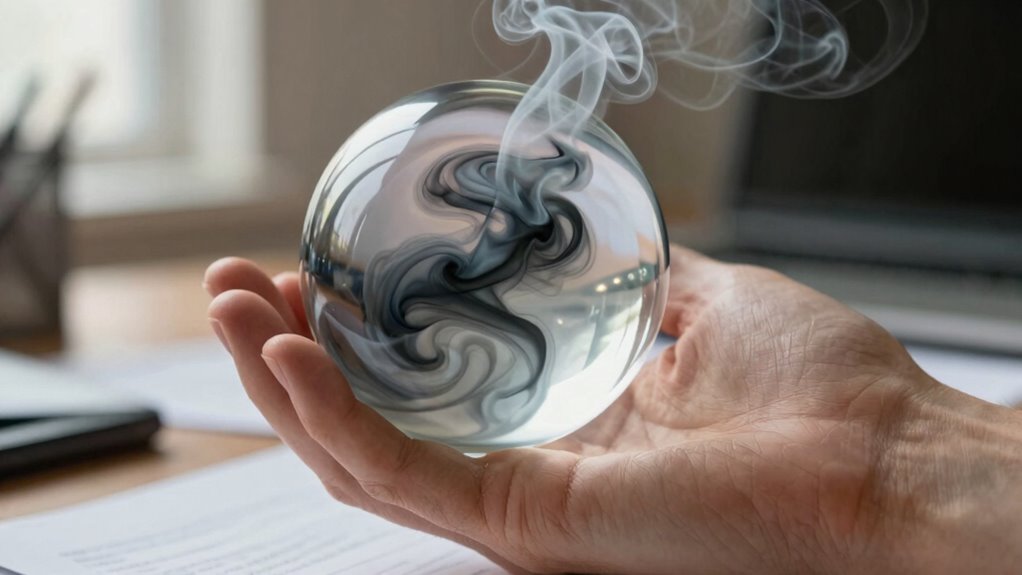
To effectively visualize stress, find a quiet place where you won’t be disturbed. Close your eyes and take deep, slow breaths to center yourself. As you breathe, imagine your stress as a visible form—perhaps a dark cloud, a tangled ball of string, or a heavy weight. Don’t judge your image; simply observe it. Notice its size, shape, and color, and pay attention to where you feel it in your body. Do your shoulders feel tight? Is your jaw clenched? Becoming aware of these physical sensations enhances your emotional awareness, helping you connect feelings to their physical expressions. This connection is crucial because it makes your stress tangible and easier to address. Recognizing stress as a physical sensation can help you respond more effectively to it. Developing this skill can also improve your overall emotional regulation over time. Cultivating this awareness is especially important because it aligns with the understanding that stress is a physical sensation that can be observed and managed. Additionally, understanding how physical sensations relate to mental states can help you utilize ventilation and purification techniques more effectively to improve your overall well-being. Recognizing the interconnectedness of mind and body enhances your ability to manage stress proactively.
Once you have a clear mental picture, explore how it changes in different scenarios. For example, imagine your stress shrinking when you take a break or practice deep breathing. Visualize it dissipating as you focus on positive thoughts or engage in calming activities. This visualization isn’t about ignoring your stress but understanding it better and seeing that it’s manageable. Over time, you’ll develop a habit of catching stress early, preventing it from spiraling into burnout. Regularly practicing this mental imagery strengthens your ability to regulate emotions, making you more resilient.
In the end, visualizing stress isn’t about eliminating it altogether but gaining insight into its nature. By using mindfulness techniques and cultivating emotional awareness, you learn to navigate your feelings more skillfully. You become better equipped to recognize the signs of rising stress and respond before it takes over your mental and physical health. This proactive approach empowers you to maintain balance, ensuring stress doesn’t turn into burnout. Remember, consistent practice and patience are key to mastering stress visualization and building resilience over time.
stress visualization meditation tools
As an affiliate, we earn on qualifying purchases.
As an affiliate, we earn on qualifying purchases.
Frequently Asked Questions
How Can I Differentiate Between Normal Stress and Early Burnout Signs?
You can differentiate normal stress from early burnout by paying attention to emotional awareness and physical sensations. Normal stress usually causes temporary feelings of pressure, while early burnout brings persistent emotional exhaustion and irritability. Notice physical sensations like fatigue, muscle tension, or headaches that linger despite rest. If these signs persist or worsen, it’s a sign you should address your mental health before it develops into full burnout.
Are There Specific Tools to Measure Stress Levels Visually?
Think of your stress levels as a weather forecast—tools like stress tracking apps and visualization techniques act as your radar. These tools help you see patterns and identify red flags early on. Wearable devices, mood journals, or breathing exercises also serve as visual cues. By regularly monitoring and visualizing your stress, you can catch the storm before it turns into a hurricane, keeping your mental weather clear.
How Often Should I Check in With My Stress Visualization Practice?
You should check in with your stress visualization practice daily or at least a few times a week. Incorporate mindfulness exercises to stay aware of your stress levels, and use journaling techniques to track your feelings and triggers. Regular check-ins help you spot early signs of stress, allowing you to address them before they escalate. Consistency is key—making this a routine helps you maintain balance and prevent burnout.
Can Stress Visualization Techniques Be Used During High-Pressure Moments?
Yes, stress visualization techniques can be very effective during high-pressure moments. You should incorporate mindfulness exercises and simple breathing techniques to help ground yourself. Take a few deep breaths, focus on your breath, and visualize a calming image or scenario. This quick mental break can reduce immediate stress, improve clarity, and help you regain control. Practicing these techniques regularly prepares you to use them effortlessly during stressful situations.
What Are Common Mistakes to Avoid When Visualizing Stress?
When visualizing stress, don’t let your mind run wild like a stormy sea; stay anchored with mindful breathing and journaling techniques. Avoid imagining worst-case scenarios or exaggerating feelings, which can heighten anxiety instead of calming it. Instead, focus on realistic, calming images. Be gentle with yourself, and don’t rush the process—visualization is a steady boat, not a frantic race. Keep your approach calm, clear, and compassionate.
As an affiliate, we earn on qualifying purchases.
Conclusion
By recognizing stress early, you empower yourself to act before burnout takes hold. You spot the signs, you acknowledge the weight, and you take steps to lighten the load. You pause, you breathe, and you reset. You set boundaries, you seek support, and you prioritize self-care. Visualizing stress isn’t just about seeing it; it’s about understanding it, managing it, and transforming it into resilience. You hold the power to protect your well-being—before burnout becomes your reality.
mindfulness stress relief products
As an affiliate, we earn on qualifying purchases.
As an affiliate, we earn on qualifying purchases.
As an affiliate, we earn on qualifying purchases.
Fall Picks
fall essentials
As an affiliate, we earn on qualifying purchases.