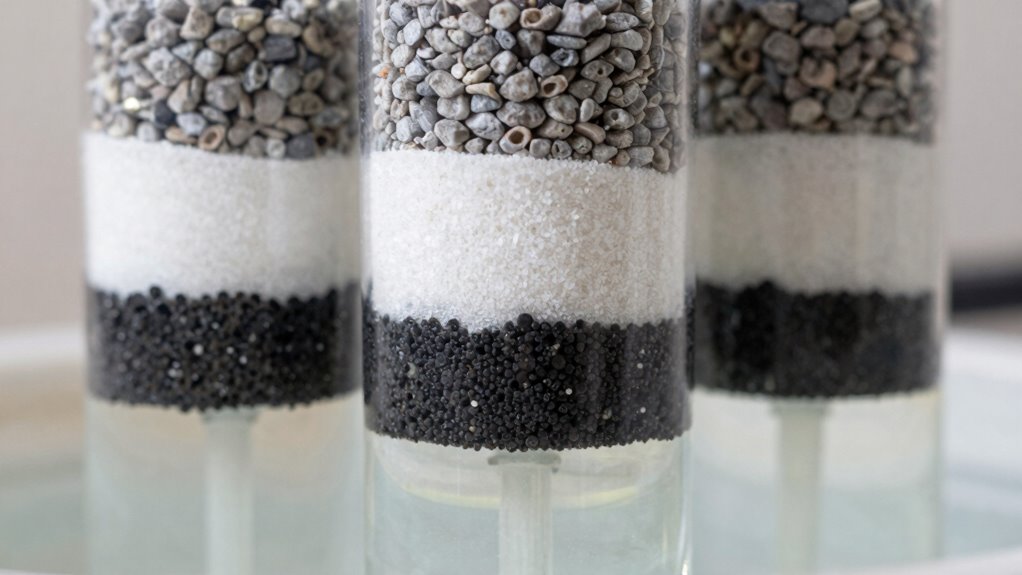

Water filters target specific contaminants to improve safety and taste. Activated carbon filters effectively remove chlorine, odors, organic compounds, and pesticides but don’t eliminate dissolved minerals, bacteria, or viruses. Reverse osmosis systems remove heavy metals, salts, and pesticides but may strip beneficial minerals. UV purifiers kill bacteria, viruses, and microbes by damaging their DNA, yet they don’t remove chemical pollutants. Combining different filters can address a broader range of impurities—discover how to optimize your system for cleaner water.

Get beauty and skincare favorites delivered free with Prime
- Fast, free delivery on millions of items
- Prime Video, Amazon Music and more included
- Member-only deals all year
Key Takeaways
- Activated carbon filters effectively remove chlorine, odors, and organic compounds but do not eliminate dissolved minerals, bacteria, or viruses.
- Reverse osmosis systems remove salts, heavy metals, nitrates, and pesticides but can strip beneficial minerals from water.
- UV disinfection kills bacteria and viruses by damaging their DNA/RNA but does not remove chemical contaminants or particles.
- No single filter removes all contaminants; combining filters (e.g., carbon + RO + UV) offers broader protection.
- Regular maintenance and proper system design are essential to ensure effective removal and prevent bacterial growth or clogging.
activated carbon water filter system
As an affiliate, we earn on qualifying purchases.
As an affiliate, we earn on qualifying purchases.
How Water Filters Work and What They Remove
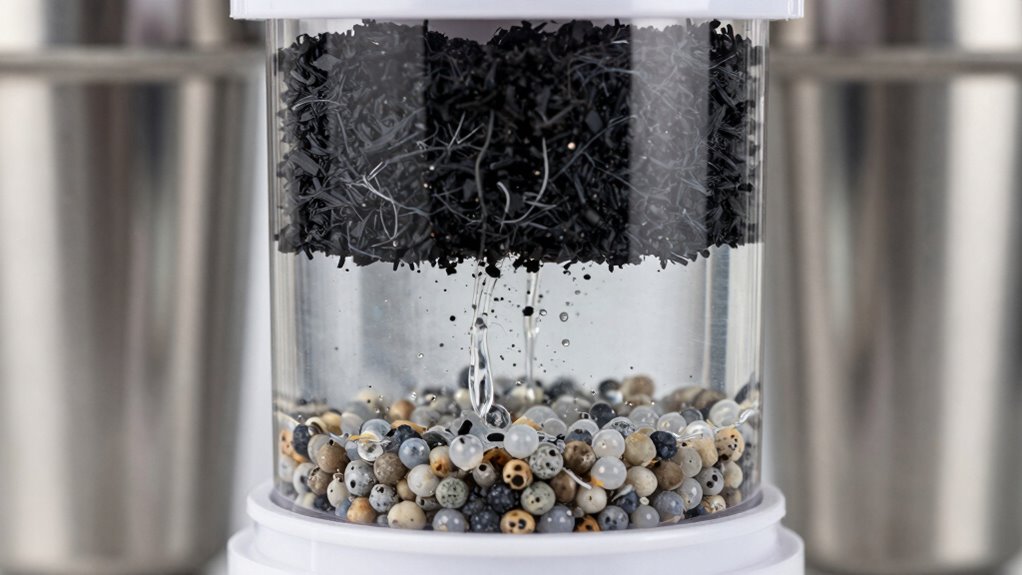
Water filters work by trapping contaminants and impurities as water passes through them, ensuring that what you drink is cleaner and safer. They can also influence water pH, often balancing acidity or alkalinity to make the water more palatable. Depending on the filter type, some retain beneficial minerals like calcium and magnesium, which contribute to water’s mineral content and health benefits. While filters remove harmful substances, they also preserve essential minerals, maintaining the water’s natural mineral retention. This process helps prevent mineral loss that can occur with other filtration methods. As a result, you get water that’s not only cleaner but also better balanced in pH and mineral composition, making it safer and more enjoyable to drink. Additionally, the effectiveness of different filters can vary significantly based on their filter type and technology, influencing what contaminants are removed. Proper humidity levels in the environment can also affect how well water filters perform over time. Maintaining indoor air quality is crucial, as it can indirectly impact the overall healthiness of your drinking water. Furthermore, using accurate measurement tools can help ensure that the filtration system is effectively removing contaminants and maintaining optimal water quality. This adaptability in digital concepts allows for ongoing improvements in filtration technologies and user experiences.
As an affiliate, we earn on qualifying purchases.
What Do Activated Carbon Filters Remove?
What Do Activated Carbon Filters Remove?
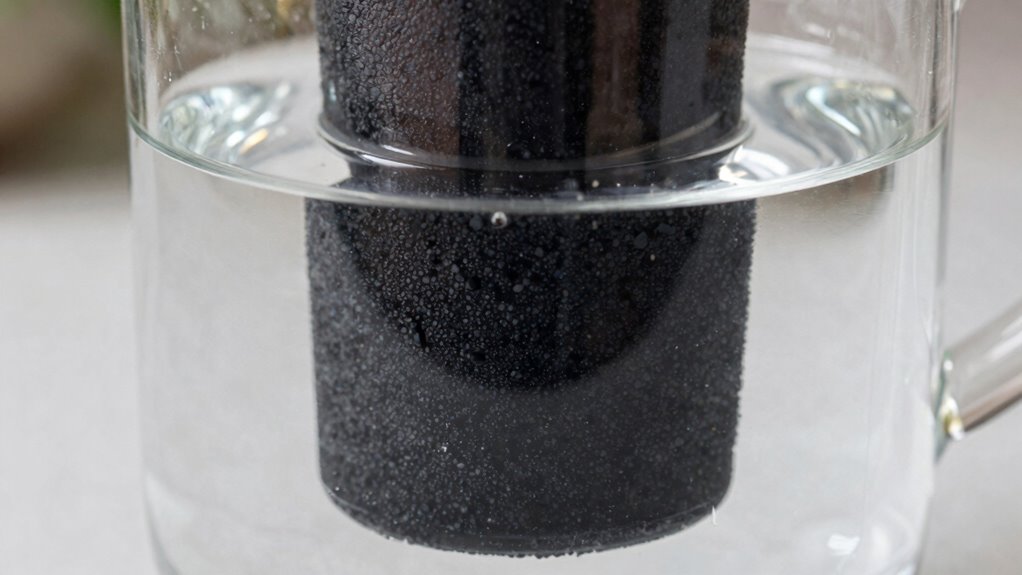
Activated carbon filters effectively remove toxins and odors from your water, improving its taste and safety. They also target chlorine and organic compounds, making the water cleaner and more pleasant to drink. Understanding what these filters catch helps you choose the right system for your needs. Additionally, choosing energy-efficient models can enhance your overall water filtration experience while saving on utility costs, especially for those who invest in energy-efficient models. This is particularly important for older adults who may require safer living environments to ensure their health and well-being. Furthermore, the effectiveness of these filters can be significantly improved by incorporating system monitoring techniques, allowing for optimal performance and maintenance. Balancing support and boundaries is essential to ensure that water quality is maintained while providing safe drinking options. Investing in water filtration can provide the same level of trust and satisfaction that consumers seek when choosing a reputable Gold IRA provider.
Toxins and Odors Absorption
Have you ever wondered what exactly activated carbon filters remove from your water? They excel at chemical absorption, trapping contaminants like pesticides, herbicides, and industrial chemicals. This process helps reduce toxins that could pose health risks. Additionally, activated carbon filters neutralize odors, making your water taste fresher and cleaner. They do this by adsorbing odor-causing compounds, such as volatile organic compounds (VOCs) and other volatile substances that create unpleasant smells. While they’re effective at tackling many chemical compounds and odors, they don’t remove dissolved minerals, bacteria, or viruses. Therefore, understanding eye safety tips is crucial when using certain filtration systems that may expose you to harmful substances. Regular hydration is also important for maintaining kidney health and overall well-being. Notably, ethical consumerism encourages individuals to choose products that not only improve health but also support sustainable practices. So, if you’re concerned about toxins and odors, activated carbon filters are a great option to improve water quality, especially for eliminating lingering smells and chemical tastes that may be present in tap water. Moreover, integrating quality tech gear into your filtration system can enhance overall efficiency and performance. Incorporating eco-friendly natural pools into your backyard design can further promote a sustainable environment while ensuring clean water.
Chlorine and Organic Removal
Activated carbon filters are highly effective at removing chlorine and organic compounds from your water. They achieve this through chemical reduction, where chlorine and organic molecules are absorbed onto the carbon surface, improving water taste and odor. Unlike some filters, activated carbon preserves essential minerals, ensuring you still receive necessary nutrients. This filtration process targets chemicals responsible for unpleasant tastes and smells, making your water more palatable. While they excel at removing chlorine and organic contaminants, these filters may not eliminate all other impurities, like heavy metals or microbes. Still, their ability to reduce chemicals while retaining beneficial minerals makes them a popular choice for improving water quality without stripping away crucial nutrients. Additionally, the best woods for farmhouse tables can enhance your kitchen’s aesthetic, making it a warm and inviting space. Moreover, product roundups can help you find the best activated carbon filters tailored to your needs.
As an affiliate, we earn on qualifying purchases.
What Can Reverse Osmosis Remove From Water?
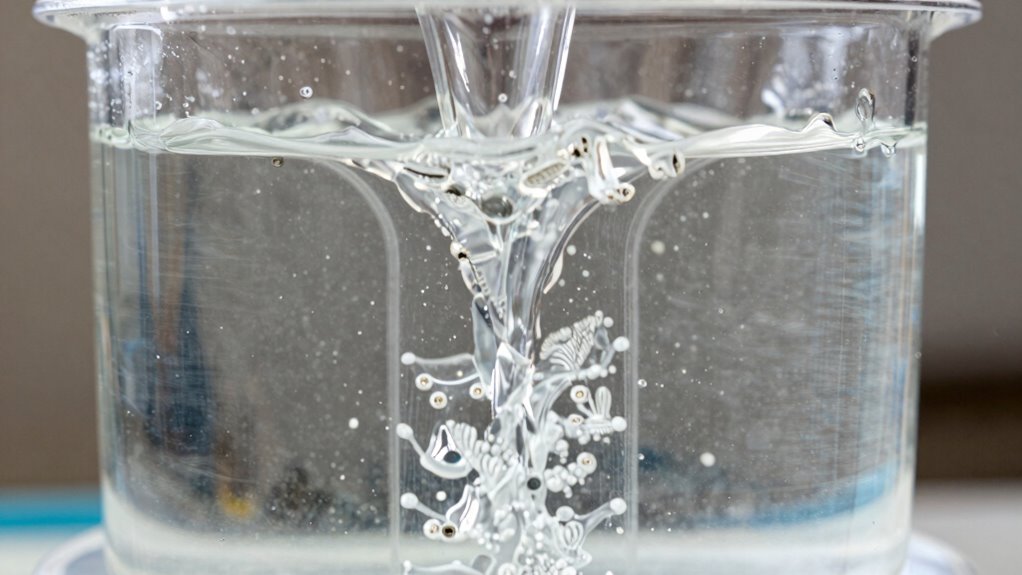
Reverse osmosis is highly effective at removing a wide range of contaminants from water, making it one of the most thorough filtration methods available. It can eliminate dissolved salts, heavy metals like lead and mercury, nitrates, and even some pesticides. However, it also removes beneficial minerals, which can affect the water’s mineral retention and pH balance. Because of this, you might notice that the water becomes slightly more acidic or less mineral-rich after filtration. While reverse osmosis provides exceptionally clean water, it often requires remineralization to restore essential minerals. This process ensures you get safe, pure water without sacrificing important mineral content or disrupting your water’s natural pH balance. Additionally, using premium performance parts in your filtration system can enhance overall water quality and efficiency. Recent advancements in AI technology have also led to more efficient filtration systems that optimize the removal of contaminants while preserving beneficial minerals. Understanding the importance of water quality standards can further guide you in selecting the best filtration options for your needs. Moreover, many best home security systems now incorporate advanced water filtration monitoring features to ensure continuous quality assurance. Effective filtration systems can significantly improve your overall water quality and ensure a healthier lifestyle.
multi-stage water filtration system
As an affiliate, we earn on qualifying purchases.
As an affiliate, we earn on qualifying purchases.
How Do UV Purifiers Kill Microorganisms?
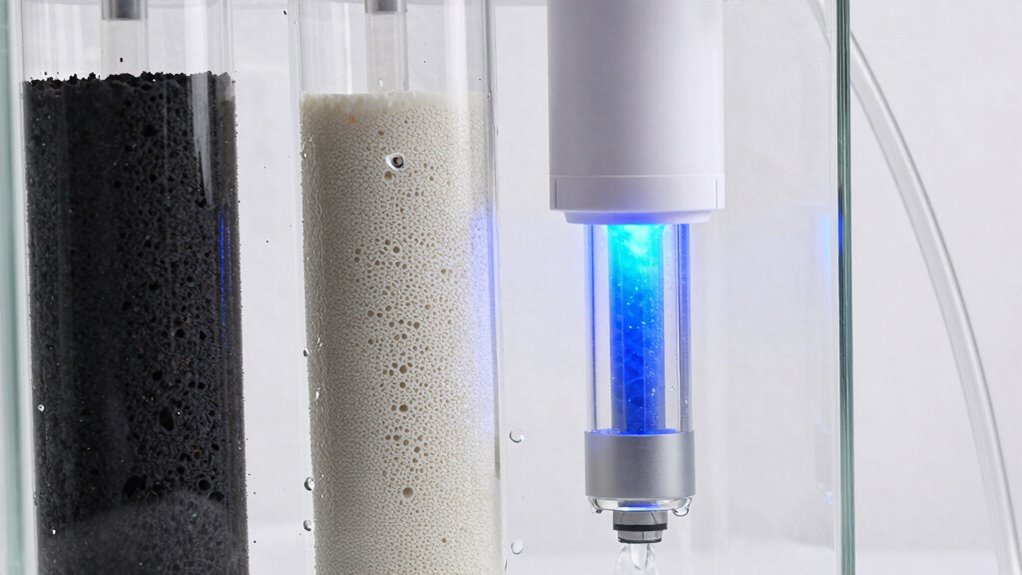
How Do UV Purifiers Kill Microorganisms?
UV purifiers kill microorganisms by exposing them to ultraviolet light, which damages their DNA and prevents reproduction. This process makes microbes inactive and unable to cause illnesses. You’ll find UV technology highly effective against a wide range of pathogens in water, especially when paired with proper trip planning for safe drinking water during your travels. Additionally, understanding the importance of routine checkups can help ensure your water filtration system remains effective in maintaining water quality. The effectiveness of UV purifiers is enhanced by regular maintenance to keep them functioning optimally.
How UV Disables Microbes
Ultraviolet (UV) light effectively kills microbes by damaging their DNA and RNA, preventing them from reproducing and causing infections. This process, known as UV sterilization, disrupts the genetic material inside bacteria, viruses, and other microorganisms. When exposed to UV light, the nucleic acids absorb the energy, forming thymine dimers or similar lesions that hinder replication and transcription. As a result, the microbes become inactive or die, a process called microbial inactivation. UV purifiers use specific wavelengths—typically around 254 nanometers—that are most effective at penetrating microbial cells. This method offers a chemical-free way to disinfect water quickly and efficiently, ensuring pathogens can’t multiply or cause harm, making UV sterilization a powerful tool for safe drinking water.
Effectiveness Against Pathogens
UV purifiers kill pathogens by directly damaging their genetic material, rendering them unable to reproduce or infect. This process is effective for virus filtration, as UV light disrupts the DNA or RNA of viruses, preventing their replication. When it comes to bacterial elimination, UV treatment damages bacterial DNA, leading to cell death and preventing infections. UV purifiers are particularly good at targeting a broad spectrum of microorganisms without adding chemicals or changing water’s taste. However, they don’t remove particles or chemicals, so combining UV with other filters enhances overall water safety. UV systems are a reliable method for disinfecting water in both residential and commercial settings, especially against bacteria and viruses that threaten health. Their efficiency depends on water clarity and proper UV dosage.
When Do You Need Specialized Filters?
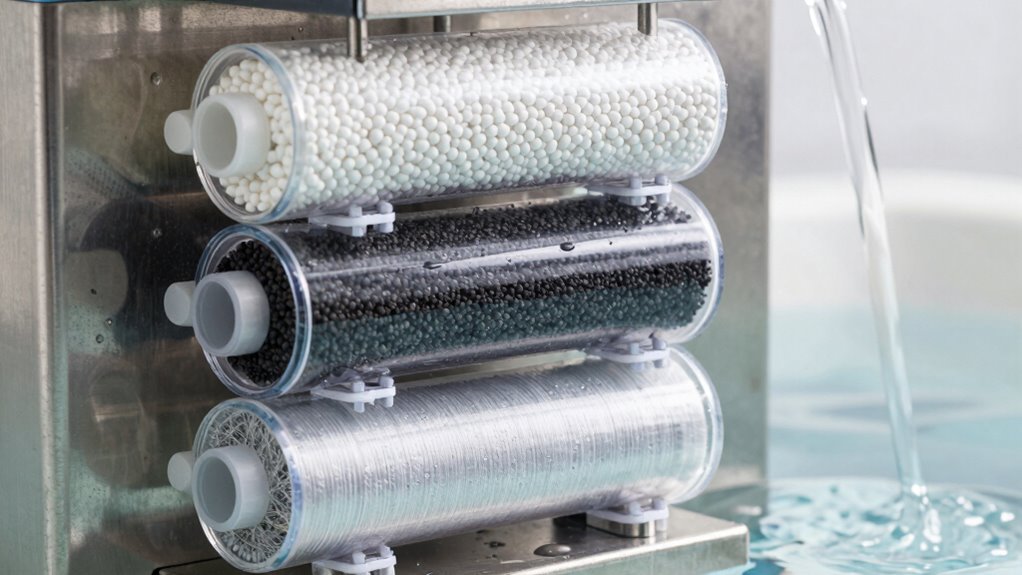
Have you ever wondered when your standard water filter isn’t enough? If you’re dealing with industrial applications or contaminated water with chemicals, you’ll need specialized filters. These filters go beyond basic sediment or chlorine removal, providing chemical filtration to target hazardous substances like heavy metals, pesticides, or volatile organic compounds. Standard filters often lack the capacity to handle such pollutants effectively. When water sources are compromised by industrial runoff or chemical spills, specialized filters become essential for safety and compliance. They’re designed to remove specific contaminants that regular filters can’t tackle, ensuring the water is safe for consumption, industrial use, or environmental reasons. Recognizing these scenarios helps you determine when upgrading your filtration system is necessary.
Limitations of Water Filters and How to Combine Systems
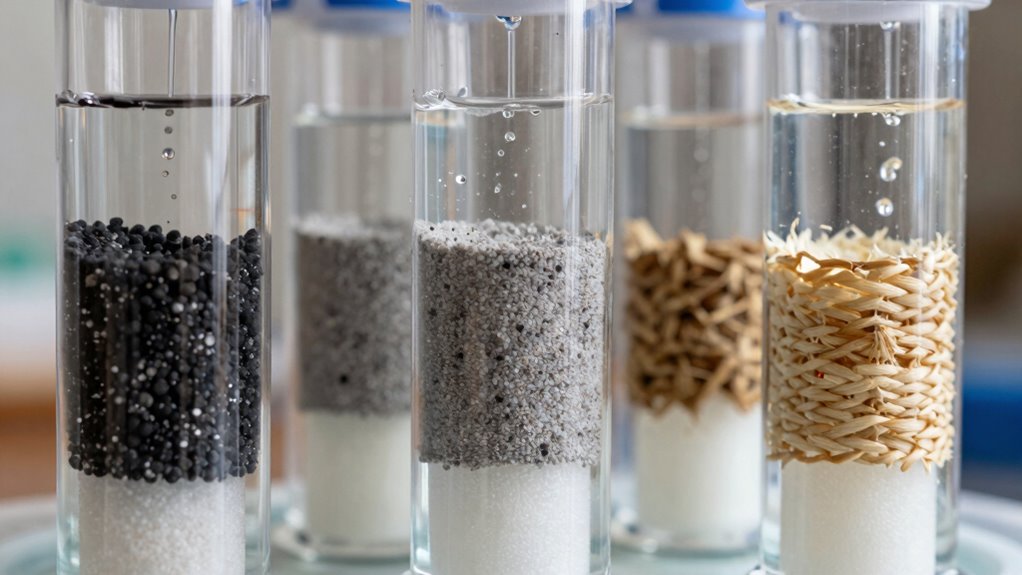
While specialized filters can handle specific contaminants more effectively, no single system can address all water quality issues alone. This means you might need to combine different filters to guarantee thorough purification. However, system compatibility is key; not all filters work well together, so you must check manufacturer recommendations and specifications. Regular filter maintenance is essential to keep your system functioning properly and to prevent bacterial growth or clogging. Using multiple filters can fill in gaps, like pairing a carbon filter with a reverse osmosis system, but improper integration can reduce efficiency or damage components. Always follow installation instructions and schedule routine maintenance to maximize your filtration system’s effectiveness. Combining systems thoughtfully ensures cleaner water tailored to your needs.
Frequently Asked Questions
Are Water Filters Effective Against Chemical Contaminants Like Pesticides?
Yes, water filters can be effective against chemical contaminants like pesticides through chemical filtration. Activated carbon filters, in particular, are good at pesticide removal because they adsorb many chemicals and organic compounds. However, not all filters are equally effective, so make sure you choose one specifically designed for pesticide removal. Regular maintenance and replacement are essential to maintain filter efficiency and keep your water safe from harmful chemicals.
How Often Should I Replace My Water Filter Cartridges?
Your water filter’s lifespan is like a ticking clock, so you should replace cartridges every 6 to 12 months. Keep an eye on replacement indicators—such as a decrease in water flow or a change in taste or smell. Regularly changing your filters guarantees clean, safe water, and prevents buildup that can compromise their effectiveness. Don’t wait until your water turns cloudy; stay ahead for peak filtration.
Can Filters Remove Pharmaceuticals and Personal Care Products?
Filters can remove some pharmaceuticals and personal care products, but their effectiveness varies. Activated carbon filters are best for pharmaceutical removal and personal care removal, as they can trap many chemicals and compounds. However, not all filters are equally effective, so check product specifications. Keep in mind, some traces may still pass through, so if you’re concerned about specific contaminants, consider advanced filtration options like reverse osmosis.
Do All Filters Eliminate Heavy Metals From Water?
Not all filters eliminate heavy metals, as filter effectiveness varies. Many systems, like activated carbon or reverse osmosis, have strong heavy metal limitations, effectively reducing metals like lead and mercury. However, cheaper or simpler filters may not remove heavy metals at all. To guarantee proper removal, choose filters specifically rated for heavy metal reduction and check their certifications, so you know you’re getting the best protection for your water quality.
What Are the Signs My Water Filter Needs Servicing or Replacement?
Like a trusty knight’s sword, your water filter needs regular care. When you notice a strange taste, odor, or a drop in water flow, it’s time for servicing or replacement. Check the filter lifespan and look for maintenance indicators such as discoloration or clogging. Ignoring these signs can reduce filtration effectiveness, risking contaminant buildup. Regularly replacing filters ensures clean, fresh water and keeps your system functioning at its best.
Conclusion
Now that you understand what each filter type can and can’t do, are you ready to choose the right system for your water? Remember, no single filter can handle all contaminants alone. Combining filters often offers the most complete protection. By understanding your water’s specific needs, you can guarantee it’s safe and clean. Isn’t your health worth investing a little extra effort and knowledge? Make informed choices for better, safer water every day.
Halloween Picks
halloween
As an affiliate, we earn on qualifying purchases.