Using wearables to track wellness metrics helps you stay informed about your health by providing real-time data on heart rate, sleep, activity, and more. They offer convenience and immediate feedback, so you can adjust your habits daily. Keep in mind that device accuracy varies, and privacy is important. Regular updates improve reliability. If you want to learn how to maximize these tools for better health, there’s more valuable information ahead.
Key Takeaways
- Select devices that accurately monitor key metrics like heart rate, sleep, and activity for reliable wellness tracking.
- Regularly update device firmware to ensure optimal performance and security.
- Use wearable data as a supplement to professional health advice for comprehensive wellness management.
- Review app permissions and device security settings to protect personal health information.
- Combine wearable insights with other health data to make informed lifestyle and health decisions.
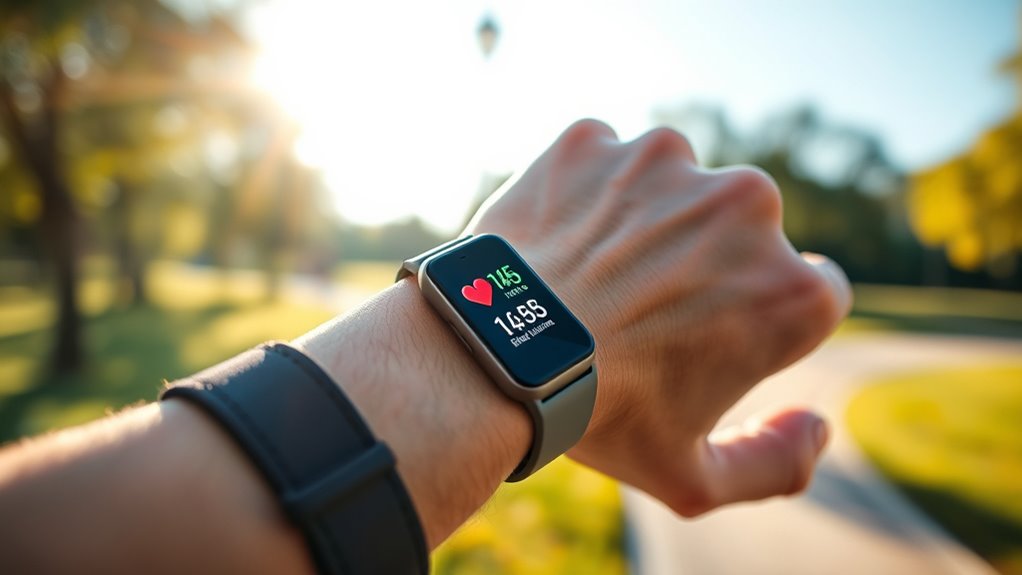
Wearables have revolutionized how you monitor your health by providing real-time insights into wellness metrics. These devices, from smartwatches to fitness bands, give you immediate feedback on your heart rate, sleep quality, activity levels, and more. As you rely on these devices daily, it’s crucial to understand that data privacy and device accuracy are critical factors. You want to be sure that your personal health information remains secure and that the data you receive is reliable enough to inform your health decisions.
When it comes to data privacy, you need to be cautious about how your information is stored and shared. Many wearables sync with smartphone apps and cloud services, which can pose risks if not properly protected. Look for devices from reputable brands that prioritize encryption and transparent privacy policies. You should also review the app permissions and settings regularly to ensure your sensitive health data isn’t accessible to unauthorized parties. While convenience is a big selling point, safeguarding your data is equally important to prevent misuse or breaches that could compromise your privacy.
Device accuracy is another essential aspect you should consider. Not all wearables are created equal, and their ability to measure wellness metrics precisely can vary. For example, some fitness trackers may accurately count steps but struggle with heart rate measurements during intense workouts or sleep tracking. Reading user reviews and scientific studies can help you determine which devices offer the best accuracy for your specific needs. Keep in mind that external factors like skin tone, placement, and movement can influence sensor readings. Regularly calibrating your device and updating its firmware can improve measurement consistency, ensuring you get dependable data to track your progress over time.
Additionally, understand that wearable technology is continually evolving. Manufacturers frequently release updates that enhance device accuracy and security features. Staying up-to-date with these improvements can help you maximize the benefits of your wearable. Remember, no device is perfect, so use the data as a guide rather than an absolute measure of your health. Combining wearable insights with other health information and consulting healthcare professionals when needed will give you a more well-rounded picture.

RENPHO Smart Scale for Body Weight, 8-Electrode Body Composition Scale with BMI, Body Fat, Muscle Mass, Rechargeable Body Fat Scale with Full-Color TFT LCD on Handle, MorphoScan Nova, Dark Blue
FSA/HSA eligible
As an affiliate, we earn on qualifying purchases.
Frequently Asked Questions
How Accurate Are Wearable Devices in Measuring Wellness Metrics?
Wearable devices can be quite accurate in measuring wellness metrics, but their precision depends on proper device calibration and data accuracy. When you keep your device calibrated and ensure it fits well, it provides more reliable readings. Keep in mind that some metrics, like heart rate or sleep, may have slight variations. Overall, with correct calibration and good data accuracy, wearables give you valuable insights into your health.
Can Wearables Detect Mental Health Issues Effectively?
Like Sherlock Holmes with a magnifying glass, wearables can help detect mental health issues through emotional monitoring and stress detection. While they aren’t diagnostic tools, they give you real-time insights into your mood patterns and stress levels. This data can alert you or your healthcare provider to potential concerns. So, yes, wearables can effectively support mental health management, but they work best when combined with professional guidance.
How Do Wearable Devices Compare to Traditional Health Assessments?
Wearable devices often provide real-time insights that traditional health assessments can’t match, making them more engaging for users. You benefit from device durability, ensuring consistent tracking even during daily activities. Unlike occasional checkups, wearables keep you actively involved in monitoring your health, boosting user engagement. While traditional assessments are thorough, wearables offer continuous, convenient data collection, helping you stay informed and proactive about your wellness.
What Privacy Concerns Are Associated With Wearable Wellness Data?
You might worry about your privacy when using wearables, but data security measures are improving. Still, your personal wellness data can be vulnerable if shared without proper user consent. Always read privacy policies and control your settings. By staying informed and cautious, you protect your health info from misuse, ensuring your wellness journey remains private and secure while benefiting from the insights wearables provide.
Are There Any Health Risks From Wearing These Devices Long-Term?
Long-term use of wearables generally doesn’t pose serious health risks, but you should watch for skin irritation from prolonged contact or device durability issues. If your device becomes damaged or causes discomfort, replace it promptly. Regularly clean your wearable to prevent skin issues. While most wearables are safe, staying attentive to any skin redness or discomfort ensures you avoid potential irritation, keeping your experience comfortable and safe over time.
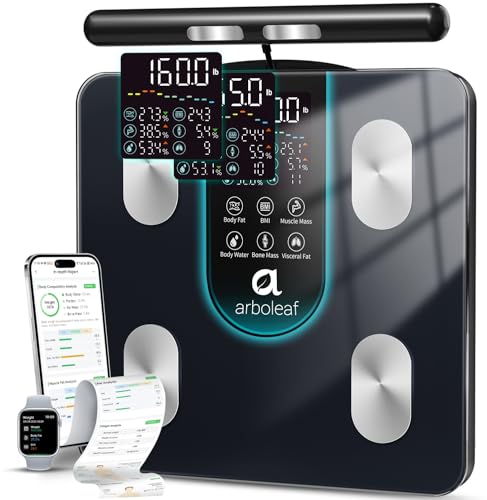
arboleaf Smart Scale for Body Weight, 8-Electrode Dual-Frequency BIA Bathroom Scale with 7-in-1 Display for BMI Body Fat Muscle Mass, Segmental Full Body Composition Analyzer, 50+ Metrics in App
Dual-Frequency 8-Electrode Smart Scale for Full-Body Accuracy - This scale for body weight uses an 8-electrode system with...
As an affiliate, we earn on qualifying purchases.
Conclusion
By embracing wearables to monitor your wellness metrics, you hold the key to a healthier, more informed life. These devices act like personal compass needles, guiding you through your wellness journey with real-time insights. As technology advances, so does your ability to make proactive choices that shape your well-being. Remember, your health is a garden — tending to it with these tools guarantees it blossoms into its fullest potential.

Etekcity Smart Scale for Body Weight, FSA&HSA Eligible, Bathroom Digital Weighing Scale with BMI, Body Fat, Muscle Mass, Accurate Bluetooth Home User Health Equipment Sync Apps, LED, Tempered glass
𝑼𝒏𝒑𝒂𝒓𝒂𝒍𝒍𝒆𝒍𝒆𝒅 𝑨𝒑𝒑 𝑬𝒙𝒑𝒆𝒓𝒊𝒆𝒏𝒄𝒆: Elevate your fitness journey with us. Our scale stands out with the free vesync app,...
As an affiliate, we earn on qualifying purchases.

Garmin Index S2, Smart Scale with Wireless Connectivity, Measure Body Fat, Muscle, Bone Mass, Body Water% and More, Black (010-02294-02)
Get accurate measurements for weight, weight trend, body fat percentage, bmi, skeletal muscle mass and more
As an affiliate, we earn on qualifying purchases.