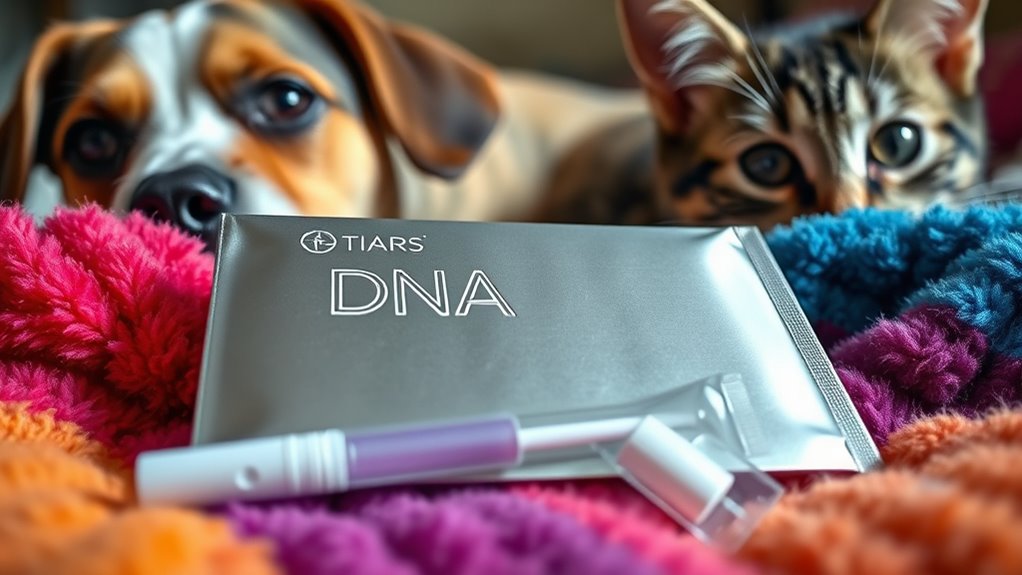

DNA testing for dogs and cats reveals your pet’s breed makeup, health risks, and traits with a simple cheek swab or blood sample. It helps you tailor their diet, training, and healthcare, offering peace of mind and proactive care options. Reputable services provide clear reports that guide responsible ownership. If you want to understand your pet better and make informed decisions, there’s more valuable information to discover about this useful tool.
Key Takeaways
- DNA testing identifies breed composition and potential health risks in dogs and cats.
- Simple samples like cheek swabs are used, with results available in a few weeks.
- Tests reveal genetic predispositions to conditions such as hip dysplasia, heart issues, or allergies.
- Choose reputable labs that offer clear reports tailored to your pet’s needs.
- Results help customize diet, healthcare, and training plans for better pet management.
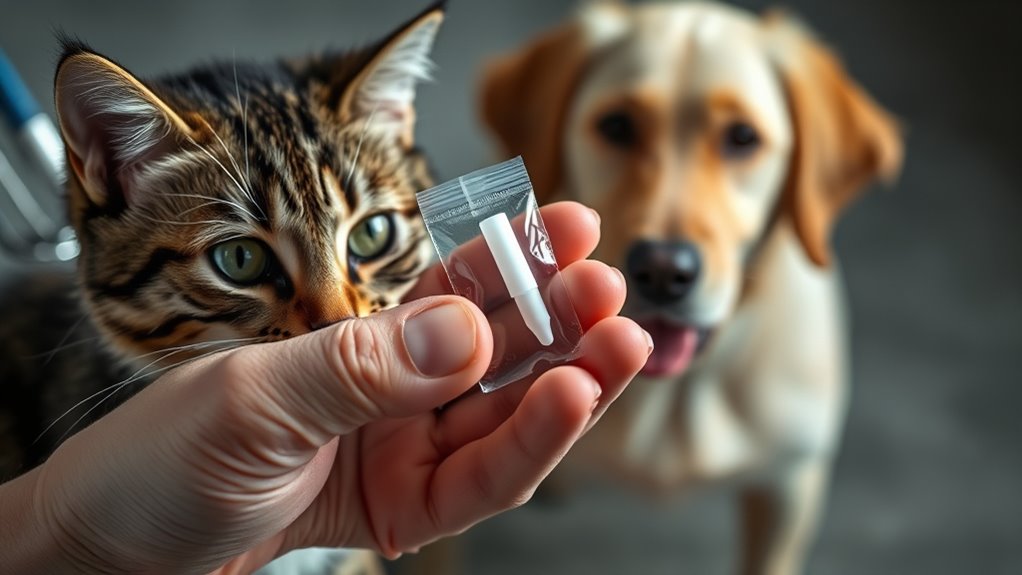
Ever wondered what your dog or cat’s DNA can reveal about their breed, health, or origins? Thanks to advancements in genetic testing, you can now uncover a wealth of information about your pet with just a simple sample. When you opt for DNA testing, the lab analyzes specific genetic markers—unique sequences in your pet’s DNA that act like biological fingerprints. These markers are key to identifying your pet’s breed composition, especially if they’re a mixed breed or have an uncertain background. Breed identification through DNA testing gives you a clearer picture of your pet’s heritage, which can be helpful for understanding their behavior, temperament, and even potential health risks associated with certain breeds.
Discover your pet’s breed and health insights through DNA testing with just a simple sample.
As you explore these testing options, you’ll find that they’re more accessible and accurate than ever. The process usually involves collecting a cheek swab or a small blood sample, which you then send to a lab. Within a few weeks, you receive a report detailing the breeds present in your pet’s DNA, often with percentages indicating the level of each breed. This information can help you tailor your pet’s diet, training, and healthcare plan to suit their specific needs. It also provides peace of mind if you’re considering breeding or adopting a pet with unknown lineage, giving you confidence in their background and expected traits.
Beyond breed identification, genetic testing can also reveal important health-related markers. Certain genetic variations are linked to predispositions for conditions like hip dysplasia, heart disease, or allergies. Knowing these markers allows you and your veterinarian to develop proactive health strategies, potentially catching issues early or avoiding certain medications that may not be suitable for your pet’s genetic makeup. The ability to access this personalized health information makes DNA testing a valuable tool in responsible pet ownership.
While the technology is impressive, it’s essential to choose a reputable testing service that offers thorough analysis and clear reporting. Some tests focus solely on breed identification, while others include health screenings. Consider your goals—whether you’re curious about your pet’s heritage or want to address specific health concerns—and select a test accordingly. Remember, these tests don’t replace veterinary advice but are a supplement that can deepen your understanding of your furry friend. With the insights gained from genetic markers, you can better care for your pet, strengthen your bond, and make informed decisions throughout their life.
As an affiliate, we earn on qualifying purchases.
Frequently Asked Questions
How Accurate Are At-Home DNA Test Kits for Pets?
At-home DNA test kits for pets are generally quite accurate for breed verification, but their accuracy can vary depending on the brand. They can detect common genetic mutations and help identify your pet’s breed mix. However, some rare mutations might not be identified. To get the most reliable results, choose a reputable kit, follow instructions carefully, and consider confirmatory testing if needed.
Can DNA Testing Determine a Pet’s Personality Traits?
Think of DNA testing as a crystal ball for your pet’s behavior. While it can’t predict every quirk, it offers valuable behavior insights and breed prediction, giving you clues about their temperament. You may not reveal every personality secret, but it’s a helpful tool to understand potential traits and tendencies, helping you better care for and bond with your furry friend.
Are There Legal or Insurance Implications With Pet DNA Testing?
Legal considerations and insurance implications can arise from pet DNA testing. You might face privacy concerns, especially if the test results reveal sensitive information. Some insurance companies could adjust coverage based on genetic findings, potentially affecting your policy. Always review your pet insurance terms and consult legal advice before testing, to understand how results may impact liability, coverage, or future claims, ensuring you’re fully aware of possible legal and insurance consequences.
How Long Does It Take to Get DNA Test Results?
You can typically expect your pet’s DNA test results within 2 to 4 weeks, depending on the processing time and laboratory turnaround. Once you’ve sent in the sample, the lab works to analyze the DNA, and you’ll receive updates during this period. Keep in mind that some services may offer expedited options, but standard processing usually takes about a few weeks from the time they receive your kit.
Can DNA Testing Identify Potential Health Risks in Pets?
Imagine revealing a map inside your pet’s genes, revealing hidden paths to potential health risks. Yes, DNA testing can identify genetic predispositions and breed-specific health issues. You’ll discover if your dog’s or cat’s DNA hints at conditions like hip dysplasia or heart problems. With this knowledge, you can take proactive steps, ensuring your furry friend gets the care they need before symptoms even appear.
As an affiliate, we earn on qualifying purchases.
Conclusion
Now that you know the basics of DNA testing for dogs and cats, you can confidently choose the best breed, bloodline, and biological background. With a simple swab or sample, you’ll reveal unique insights, understanding your furry friend’s features, flaws, and future needs. Don’t delay discovering delightful details—dive into DNA testing today. Make informed decisions, improve interactions, and ignite your pet’s health and happiness. Your curious, caring journey starts with a small sample but leads to a world of wondrous wisdom!
As an affiliate, we earn on qualifying purchases.
As an affiliate, we earn on qualifying purchases.