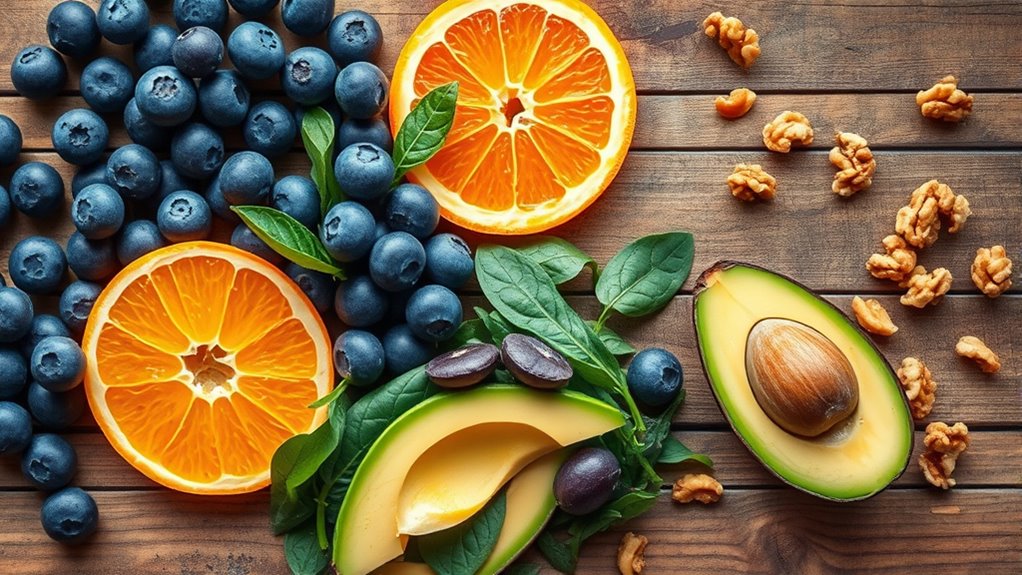

To boost your mood through nutrition, focus on foods that support gut and brain health. Include omega-3 rich options like fatty fish and walnuts, B vitamin sources such as leafy greens and eggs, and fermented foods like yogurt and sauerkraut to nurture your gut microbiome. Eating a balanced, fiber-rich diet helps stabilize mood and reduce stress. By making small, mindful choices, you’ll enhance your emotional well-being—and more tips are available if you keep exploring.

Get beauty and skincare favorites delivered free — and shop member deals
- Fast, free delivery on millions of items
- Access to Prime Big Deal Days deals on October 6–7
- Prime Video, Amazon Music and more included
Key Takeaways
- Consuming omega-3-rich foods like fatty fish and walnuts supports brain health and reduces inflammation, boosting mood.
- Including probiotic and prebiotic foods such as yogurt, sauerkraut, and fiber-rich vegetables enhances gut-brain communication.
- Eating B vitamin-rich foods like leafy greens, eggs, and legumes aids neurotransmitter production and emotional stability.
- Practicing mindful eating helps recognize hunger cues and fosters a positive relationship with food, reducing emotional eating.
- Maintaining a balanced diet with whole, nutrient-dense foods stabilizes blood sugar and promotes overall mental well-being.
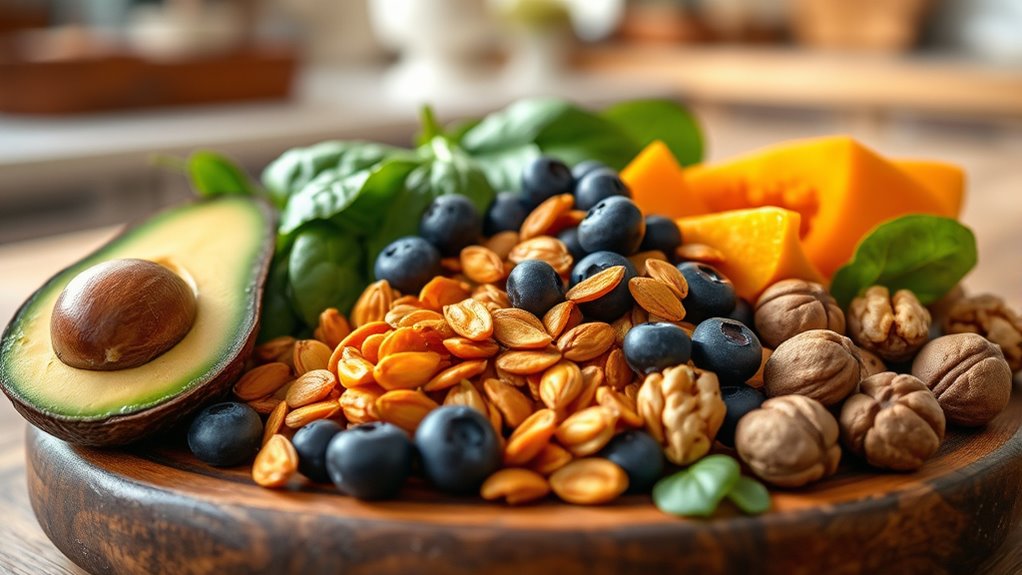
Did you know that what you eat can directly influence your mental health? It’s true. Your dietary choices don’t just affect your body—they also impact your mood, stress levels, and overall mental well-being. One way to improve your relationship with food and boost your mood is through mindful eating. This practice encourages you to pay close attention to what you’re eating, savoring each bite and tuning into how different foods make you feel. By slowing down and being present during meals, you’re more likely to recognize hunger and fullness cues, avoid overeating, and select foods that genuinely nourish your brain. Mindful eating also helps you appreciate the sensory experience of food, fostering a healthier attitude toward eating that can reduce emotional eating driven by stress or boredom.
Another essential aspect of nutrition for mental health is understanding the gut-brain axis. This is the communication network between your gut and your brain, involving nerves, hormones, and immune signals. When your gut is healthy, it produces neurotransmitters like serotonin—sometimes called the “feel-good” hormone—most of which are made in your digestive system. This connection means that what you feed your gut has a direct impact on your mental state. Consuming a balanced diet rich in fiber, probiotics, and prebiotics helps maintain a healthy gut microbiome, which in turn supports ideal communication along the gut-brain axis. Fermented foods like yogurt, kefir, and sauerkraut introduce beneficial bacteria, while fiber-rich fruits and vegetables nourish those bacteria, creating an environment that promotes mood stability and mental clarity.
Incorporating mindful eating habits and focusing on gut health can lead to noticeable improvements in your mood and energy levels. Choosing whole, nutrient-dense foods over processed snacks keeps your blood sugar stable, preventing mood swings and irritability. Omega-3 fatty acids found in fatty fish like salmon and walnuts are well-known for their anti-inflammatory properties and their role in supporting brain function. Additionally, including foods high in B vitamins—such as leafy greens, eggs, and legumes—can help produce neurotransmitters that regulate mood and reduce anxiety. Remember, consistency matters. Small, intentional changes in your diet, paired with mindful eating, can build a foundation for better mental health over time. Your brain and gut work together, so nourishing both is key to feeling your best every day.
As an affiliate, we earn on qualifying purchases.
Frequently Asked Questions
Can Specific Foods Treat Mental Health Disorders?
Specific foods can’t cure mental health disorders, but they can support your overall well-being. If you have food allergies or dietary restrictions, you might need to avoid certain mood-boosting foods, which can impact your mental health. Focus on a balanced diet rich in omega-3s, whole grains, and fruits, and consult a healthcare professional to develop a personalized plan. Remember, food complements treatment but isn’t a standalone solution.
How Quickly Can Diet Changes Improve Mood?
You can notice mood improvements within a few days to weeks when you adjust your diet. Proper meal timing helps stabilize blood sugar, preventing mood swings, while focusing on nutrient absorption guarantees your brain gets essential vitamins and minerals. Consistently eating balanced meals rich in omega-3s, vitamins, and antioxidants supports mental health. Remember, patience and consistency are key, and your mood can improve faster when your body efficiently absorbs nutrients.
Are Supplements Necessary for Mental Health?
Supplements might help, but they’re not always necessary for mental health. You should consider supplement safety and dosage considerations before adding them to your routine. Always consult a healthcare professional to ensure you’re choosing the right supplements and taking appropriate amounts. Remember, a balanced diet and lifestyle often provide the necessary nutrients for mental well-being, and supplements should complement, not replace, healthy habits.
Do Cultural Diets Influence Mental Health Differently?
Yes, cultural diets influence your mental health differently. Your cultural food practices and traditional dietary patterns shape what nutrients you get, affecting mood and well-being. For example, Mediterranean diets rich in healthy fats can boost mood, while traditional Asian diets might emphasize different nutrient sources. Recognizing these cultural differences helps you make better food choices that support your mental health, respecting your background while optimizing your well-being.
Can Poor Nutrition Cause Long-Term Mental Health Issues?
Poor nutrition is like neglecting your mental engine—over time, it can cause long-term issues. When you lack essential nutrients, nutrient deficiencies can disrupt the gut-brain axis, a crucial communication highway between your gut and brain. This imbalance can lead to mood swings, anxiety, and depression. You need to fuel your body with wholesome foods, because neglecting your nutrition today might pave the way for mental health struggles tomorrow.
As an affiliate, we earn on qualifying purchases.
Conclusion
By choosing the right foods, you can boost your mood and support your mental health like a sturdy foundation supports a house. Incorporate plenty of fruits, vegetables, lean proteins, and omega-3-rich foods into your diet, and you’ll notice a positive shift in your mood and energy levels. Remember, what you eat is like fuel for your brain—make it quality fuel, and you’ll feel more balanced and resilient every day. Your mental health starts with your plate.
As an affiliate, we earn on qualifying purchases.
As an affiliate, we earn on qualifying purchases.
Fall Picks
fall essentials
As an affiliate, we earn on qualifying purchases.