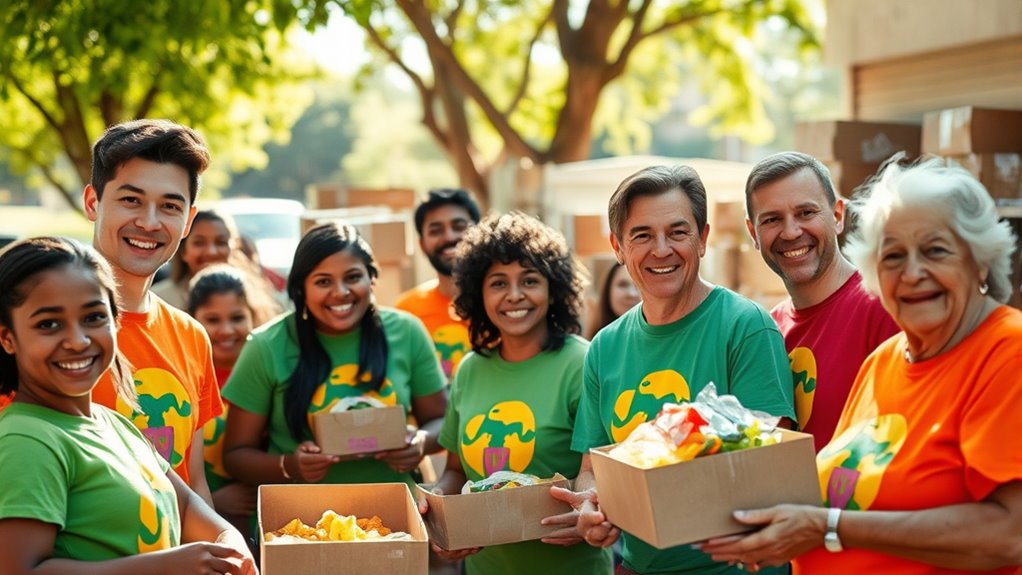

Volunteering can considerably boost your happiness by creating a sense of purpose, building meaningful connections, and fostering personal growth. When you give back, you experience feelings of fulfillment, gratitude, and improved self-esteem, all while expanding your social support network. It also broadens your perspective, helping you appreciate your own life more. If you want to discover how volunteering can enrich your well-being further, there’s much more to explore below.
Key Takeaways
- Volunteering enhances happiness by fostering a sense of purpose, belonging, and emotional fulfillment.
- It promotes personal growth, skill development, and boosts confidence through new experiences.
- Building social connections through volunteering reduces loneliness and strengthens community bonds.
- Giving back broadens perspectives, increases gratitude, and cultivates empathy and patience.
- Overall, volunteering improves well-being by creating a sense of achievement and making a tangible positive impact.
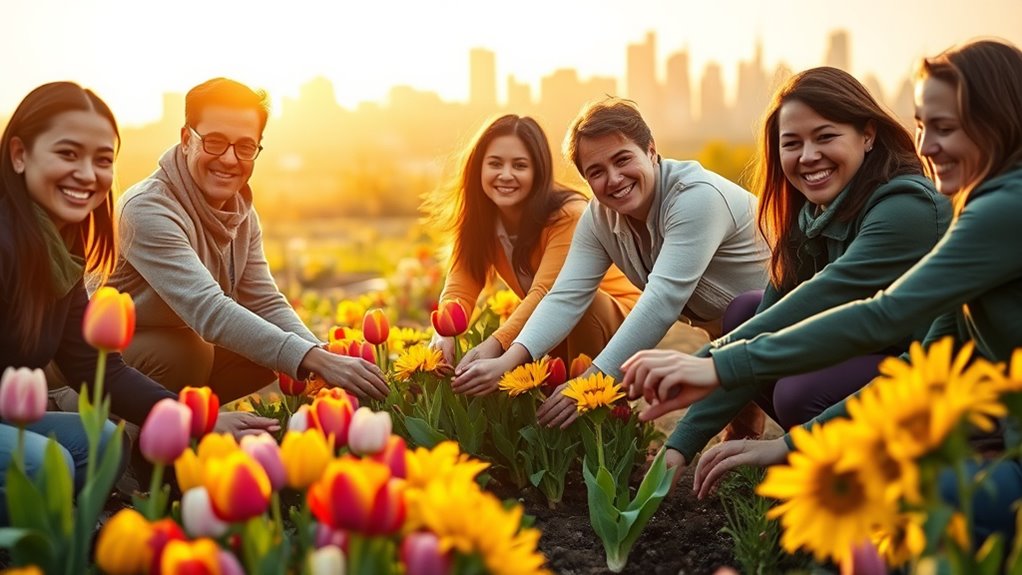
Have you ever wondered why volunteering often leaves people feeling happier and more fulfilled? It’s because when you get involved in acts of service, you’re not just helping others—you’re also engaging deeply with your community. Community engagement is a powerful catalyst for personal growth, transforming your perspective and boosting your overall well-being. When you dedicate time to volunteering, you become part of something bigger than yourself, which fosters a sense of belonging and purpose. This connection to your community provides a sense of achievement and satisfaction that’s hard to find elsewhere.
Volunteering connects you to your community, fostering growth, purpose, and genuine happiness.
By immersing yourself in volunteer work, you open the door to new experiences and skills. Whether you’re mentoring youth, assisting at a food bank, or helping organize local events, each activity pushes you outside your comfort zone. This constant challenge encourages personal growth, making you more adaptable, compassionate, and confident. When you see the tangible impact of your efforts—like a child’s smile or a neighbor’s relief—you realize your actions genuinely matter. That realization not only enhances your self-esteem but also reinforces your sense of purpose.
Engaging in volunteer work also helps you develop empathy. As you interact with diverse groups of people, you gain a better understanding of their struggles and triumphs. This broadened perspective fosters emotional resilience and a greater appreciation for your own life. Over time, you may notice a shift in your attitude—becoming more patient, understanding, and grateful. These changes contribute profoundly to your happiness, as you find joy in giving and connecting with others.
Moreover, volunteering creates opportunities to build meaningful relationships. When you work alongside others with similar values, you forge bonds that can last a lifetime. These social connections are vital for your mental health, providing support and reducing feelings of loneliness. The sense of community that emerges from collective effort can be incredibly uplifting, making you feel more rooted and supported.
Additionally, participating in community activities can improve color accuracy and the overall quality of your experiences, as it enhances your understanding of different perspectives and fosters a sense of unity. Ultimately, the act of volunteering taps into your innate desire to make a difference. It’s a direct way to cultivate happiness through community engagement and personal growth. As you give your time and skills, you’ll discover that your own life becomes richer and more fulfilling. The benefits aren’t just about helping others—they’re about transforming yourself in the process. So, the next time you’re contemplating volunteering, remember that it’s a powerful tool for happiness, growth, and genuine connection.
As an affiliate, we earn on qualifying purchases.
Frequently Asked Questions
How Does Volunteering Impact Mental Health Over Time?
Volunteering positively impacts your mental health over time by boosting your mood and reducing stress. The impact duration often depends on your commitment, with consistent volunteer work providing sustained mental health benefits. When you stay committed, you build a sense of purpose and community, which enhances resilience and happiness. Over the long term, this ongoing involvement can lead to improved self-esteem and overall well-being, making your mental health stronger with continued volunteer efforts.
Are Certain Types of Volunteering More Linked to Happiness?
Certain types of volunteering are more closely linked to happiness, especially when driven by altruistic motivation. When you volunteer out of genuine desire to help, you experience greater altruistic satisfaction, boosting your well-being. Activities like mentoring or community service often create deeper connections and a stronger sense of purpose. If you focus on causes that resonate with your values, you’ll find your happiness levels rise more markedly than with superficial tasks.
Can Volunteering Reduce Feelings of Loneliness and Isolation?
Yes, volunteering can reduce feelings of loneliness and isolation. When you engage in community activities, you build connections and foster a sense of belonging. It also promotes skill development, which boosts your confidence and encourages social interactions. By actively participating, you create meaningful relationships that help combat loneliness, making you feel more integrated and supported within your community. This sense of engagement and growth profoundly enhances your overall well-being.
How Does Age Influence the Happiness Benefits of Volunteering?
Age influences the happiness benefits of volunteering through generational differences and motivation. As you age, you might find greater fulfillment in volunteering because older generations often value giving back more and seek social connections. Younger people may volunteer for skill-building or career goals. Recognizing these motivations helps you understand how your age shapes the positive feelings you gain from volunteering, boosting your overall well-being at any stage.
What Role Does Social Connection Play in Volunteer-Related Well-Being?
Social connection plays a crucial role in your volunteer-related well-being. When you engage with others through volunteering, you foster community bonding and gain emotional support, which boost your happiness. These interactions help you feel connected, valued, and less isolated. As you build relationships, your sense of belonging grows, making your volunteer experience more fulfilling and enhancing your overall mental health. So, prioritize social bonds to maximize your well-being benefits.
As an affiliate, we earn on qualifying purchases.
Conclusion
As you step into the act of giving, remember that each small gesture is a seed planted in the garden of your soul. Volunteering isn’t just about helping others—it’s about nurturing your own happiness, like a light that grows brighter with every act of kindness. When you give back, you illuminate your life’s path, turning your actions into a beacon of hope and fulfillment. Keep shining, and let your generosity be the guiding star of your well-being.
gratitude journal for volunteers
As an affiliate, we earn on qualifying purchases.
As an affiliate, we earn on qualifying purchases.
As an affiliate, we earn on qualifying purchases.