
TL;DR
Organ Pipe Cactus National Monument in Arizona has been designated as a Dark Sky Park, reflecting over a decade of efforts to reduce light pollution and protect its night environment. This recognition highlights its cultural and ecological importance, especially amid recent border-related tensions.
Organ Pipe Cactus National Monument in Arizona has been officially certified as a Dark Sky Park by DarkSky International, marking a significant milestone after over a decade of conservation efforts. This designation highlights the park’s pristine night skies and its cultural and ecological importance, especially amid recent regional tensions.
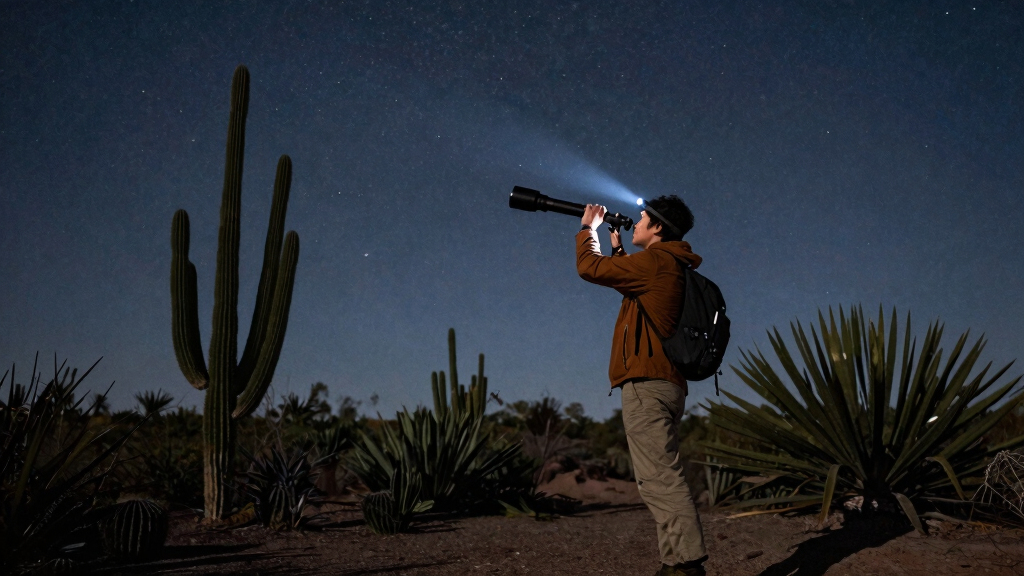
The certification was announced on May 15, 2026, making Organ Pipe the 12th Dark Sky Park in Arizona and part of a global network of more than 250 designated sites. The park’s staff spent more than ten years working toward this goal, implementing measures to reduce artificial light and enhance night sky visibility. Key initiatives included decreasing lighting around the visitor center and campground, expanding astronomy programming, and hosting over 100 evening telescope events annually.
Ruskin Hartley, CEO of DarkSky International, stated that the designation reflects the park’s dedication to preserving its natural darkness and nocturnal habitat. The efforts also include community outreach and an astronomer-in-residence program launched in 2025. The recognition underscores the park’s role in protecting both its night environment and the cultural heritage connected to celestial observation by Indigenous peoples.
Why It Matters
This designation matters because it recognizes the importance of preserving dark skies for ecological health, cultural heritage, and tourism. For Indigenous communities like the O’odham, the night sky holds spiritual and practical significance, guiding seasonal activities and ceremonial life. The certification also emphasizes the park’s role in environmental conservation amid regional development and border enforcement issues.
portable telescope for stargazing
As an affiliate, we earn on qualifying purchases.
As an affiliate, we earn on qualifying purchases.
Background
Organ Pipe Cactus National Monument, located near the U.S.-Mexico border, has faced ongoing tensions related to border wall construction and threats to archaeological sites, including recent damage to a 1,000-year-old Indigenous geoglyph. The park is renowned for its unique desert ecosystem, iconic saguaro cacti, and historical significance for the O’odham peoples, whose cultural practices are deeply tied to celestial cycles. The recent dark sky certification follows a long-term effort to mitigate light pollution and promote astronomy and cultural education.
“This certification reflects more than a decade of dedicated work by the monument’s staff, showcasing incredible determination that has also been reflected through years of public outreach and education efforts.”
— Ruskin Hartley, CEO of DarkSky International
“Protecting the monument’s night environment honors a landscape where the stars have guided and inspired early peoples for generations and continue to shape our understanding of this place today.”
— Raquel Montez, Superintendent of Organ Pipe Cactus National Monument
As an affiliate, we earn on qualifying purchases.
What Remains Unclear
It is not yet clear how the designation will impact ongoing regional tensions or border infrastructure projects. The extent to which the certification will influence future conservation policies or Indigenous site protections remains uncertain, and the full ecological impact of recent border-related damage is still being assessed.
astronomy binoculars for beginners
As an affiliate, we earn on qualifying purchases.
As an affiliate, we earn on qualifying purchases.
What’s Next
Next steps include continued efforts to maintain and enhance dark sky conditions through community engagement, educational programs, and collaboration with Indigenous groups. Monitoring the park’s night sky quality and addressing regional development pressures will also be priorities. The park plans to host annual star parties and expand its astronomy programming to attract visitors and raise awareness about dark sky conservation.
star map poster for celestial navigation
As an affiliate, we earn on qualifying purchases.
As an affiliate, we earn on qualifying purchases.
Key Questions
What does it mean for a park to be designated as a Dark Sky Park?
It means the park has met strict standards for natural darkness, light pollution mitigation, and public education, aiming to preserve its night sky environment for ecological, cultural, and recreational purposes.
Why is the designation important for Indigenous communities?
For Indigenous peoples like the O’odham, the night sky is integral to cultural practices, navigation, and spiritual life. Protecting dark skies helps preserve this cultural heritage and traditional knowledge.
How does the designation impact regional border issues?
The certification emphasizes ecological and cultural preservation, but it remains uncertain how it will influence ongoing border infrastructure projects or regional tensions.
What are the benefits for visitors?
Visitors can experience clearer, more visible night skies, participate in astronomy events, and learn about the cultural significance of celestial observations, enriching their experience at the monument.
What are the next steps for the park’s dark sky initiatives?
The park plans to expand its educational programs, host more star-gazing events, and work with local communities and tribes to further protect and promote its night environment.
Source: Outside