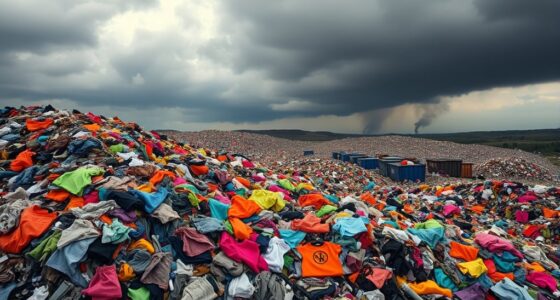

Your water footprint shows the hidden water used in everything you buy and do, including food, clothing, and services. It includes the water directly used and the embedded water in products from agriculture, manufacturing, and energy production. By understanding the virtual water in everyday items, you can see how your choices impact global water use. Keep exploring to discover simple ways to reduce your water footprint and make more sustainable decisions every day.

Get beauty and skincare favorites delivered free with Prime
- Fast, free delivery on millions of items
- Prime Video, Amazon Music and more included
- Member-only deals all year
Key Takeaways
- Your water footprint includes both direct water use and the virtual water embedded in products you buy.
- Calculate your hidden water use by considering the virtual water in foods, clothes, and household items.
- Choosing local and sustainable products reduces your overall water footprint and minimizes embedded water consumption.
- Be aware that importing goods shifts water demand internationally, impacting global water resources.
- Small lifestyle changes, like reducing consumption of water-intensive goods, can significantly lower your hidden water use.
Have you ever wondered how much water is used to produce the foods and products you consume every day? The truth is, the water footprint extends far beyond the tap. It includes not only the water you directly use but also the hidden amounts embedded in goods and services through a process known as virtual water trade. When you buy a loaf of bread or a T-shirt, you’re also purchasing the water that was used behind the scenes to produce those items. This hidden water, often called virtual water, travels across borders in trade, making your consumption part of a global water network.
Everyday products hide water use through virtual water trade, connecting your consumption to a global water network.
Understanding industrial water use is key to grasping your overall water footprint. Industries like agriculture, manufacturing, and energy production are responsible for the majority of water consumption worldwide. For example, large-scale farming requires significant amounts of water to grow crops, while factories use water for cooling, processing, and cleaning. When industries operate efficiently, they reduce their water use, but many still consume vast quantities, impacting local water availability. Recognizing this helps you appreciate that your everyday products are connected to complex industrial water systems, often influencing water scarcity in different regions. Additionally, adopting water-efficient technologies in industries can significantly reduce overall water consumption and promote sustainable practices.
Virtual water trade plays a essential role in balancing water use across countries. Some nations with abundant water resources export water-intensive goods, such as grains or textiles, to countries facing water shortages. Conversely, water-scarce regions might import these products, effectively importing the embedded water. This international trade helps optimize global water use but can also mask local water scarcity issues. When you buy imported goods, you’re indirectly supporting virtual water trade, which can shift water stresses between nations. Being aware of this helps you make more informed choices about where your products come from and the water implications behind them. Moreover, understanding the concept of water sustainability can guide consumers toward supporting more responsible and eco-friendly products. Recognizing the global water network behind everyday items highlights how interconnected our resource use truly is.
Calculating your water footprint involves considering both direct water use—like drinking, bathing, or cooking—and indirect water use embedded in the products you consume. By understanding the concept of virtual water trade and industrial water use, you can see how your lifestyle influences water sustainability beyond what’s immediately visible. Small changes, such as choosing locally produced items or reducing consumption of water-intensive goods, can contribute to alleviating pressure on water-scarce regions. Additionally, awareness of Ulta Beauty Store Hours and other retail hours can help you plan shopping trips to support local businesses and reduce the environmental impact of transportation. Being conscious of these hidden water flows empowers you to make more sustainable decisions, ultimately helping to conserve this essential resource for future generations.
Products Worth Considering

Therabody Theragun Relief Massage Gun, 3-Speed, Black

Hyperice Normatec 3 Leg Compression Boots – Standard Size

Garmin Forerunner 570 GPS Running Smartwatch, 47mm, Aluminum, Black
As an affiliate, we earn on qualifying purchases.
Frequently Asked Questions
How Does My Diet Affect My Water Footprint?
Your diet impact considerably influences your water footprint through your food choices. Eating more plant-based foods generally reduces water use, while consuming more meat and dairy increases it due to higher water requirements. By choosing sustainable options and reducing meat consumption, you can lower your water footprint. Your daily food choices directly affect water resources, so being mindful of what you eat helps conserve this essential resource.
What Industries Have the Highest Water Footprints?
They say “you are what you eat,” but industries also shape your water footprint. You should know that agriculture, especially meat production, has the highest water footprints, followed by textile and fossil fuel industries. These industries contribute to industrial pollution and water scarcity, impacting ecosystems and communities. By understanding this, you can make more conscious choices and advocate for sustainable practices to reduce their heavy water use.
Can I Reduce My Water Footprint Easily?
You can definitely reduce your water footprint easily by adopting simple water conservation habits and sustainable practices. Turn off taps when not in use, fix leaks promptly, and use water-efficient appliances. Choosing local, seasonal foods also helps lower your impact. Small changes add up, making a real difference for the environment. Embracing these habits not only conserves water but also promotes sustainability for future generations.
How Is Water Footprint Different From Water Usage?
Think of your water footprint as the full story of water you use, including virtual water hidden in products. Water usage measures the actual water you consume directly. While water scarcity threatens our planet, understanding these differences helps you see how your choices impact virtual water — the unseen water behind what you buy. By reducing your footprint, you help ease water stress and conserve this precious resource.
Are There Tools to Track My Water Footprint Daily?
You can find various tools to help with daily tracking of your water footprint, which supports your water conservation efforts. Apps and online calculators allow you to monitor your daily water use by recording activities like showering, laundry, and food consumption. Using these tools, you become more aware of your habits, enabling you to make smarter choices and reduce your overall water footprint, ultimately contributing to a more sustainable lifestyle.
Conclusion
By understanding your water footprint, you realize just how much hidden water your daily choices consume. Did you know that producing just one cotton shirt requires about 2,700 liters of water? Small adjustments—like choosing sustainable products or reducing waste—can make a big difference. So, next time you make a purchase, think about the water behind it. Every mindful step helps conserve this crucial resource for future generations.