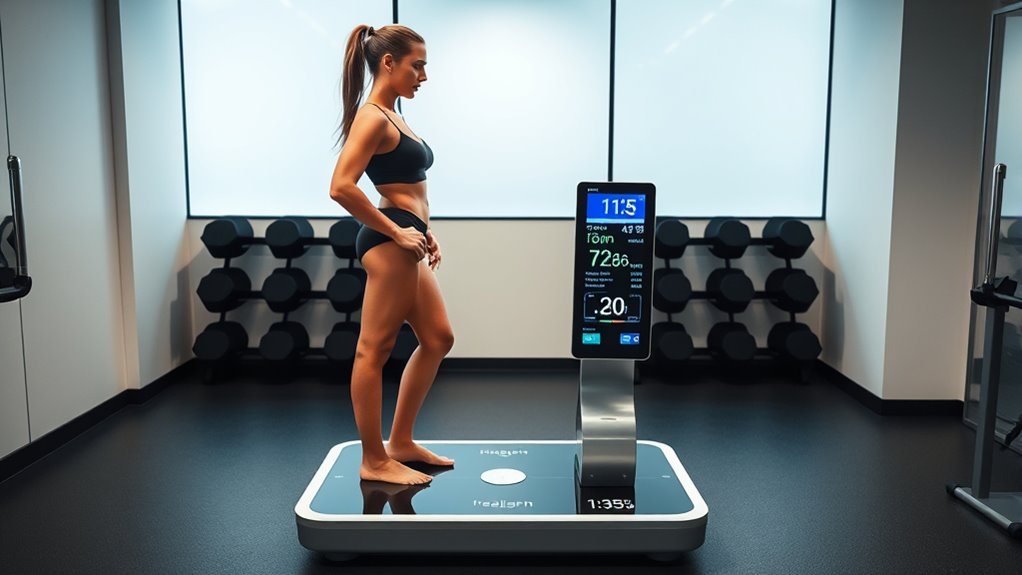

Tracking your body composition goes beyond just stepping on the scale, giving you a clearer view of your health and fitness progress. It highlights changes like muscle gain and fat loss that scales can’t show, helping you adjust workouts and nutrition effectively. This approach keeps you motivated by showcasing real, measurable results and helps prevent plateaus. Keep exploring, and you’ll discover how to use these insights for long-term success and smarter lifestyle choices.
Key Takeaways
- Body composition analysis reveals muscle gain and fat loss, offering a more accurate health assessment than weight alone.
- Regular tracking helps identify progress, plateaus, and allows for timely adjustments in workouts and nutrition.
- Methods like DEXA scans and bioelectrical impedance provide detailed insights beyond the scale.
- Monitoring body composition boosts motivation by showcasing tangible improvements in body shape and health.
- Long-term tracking promotes sustainable fitness, helping to achieve balanced, health-focused goals over time.
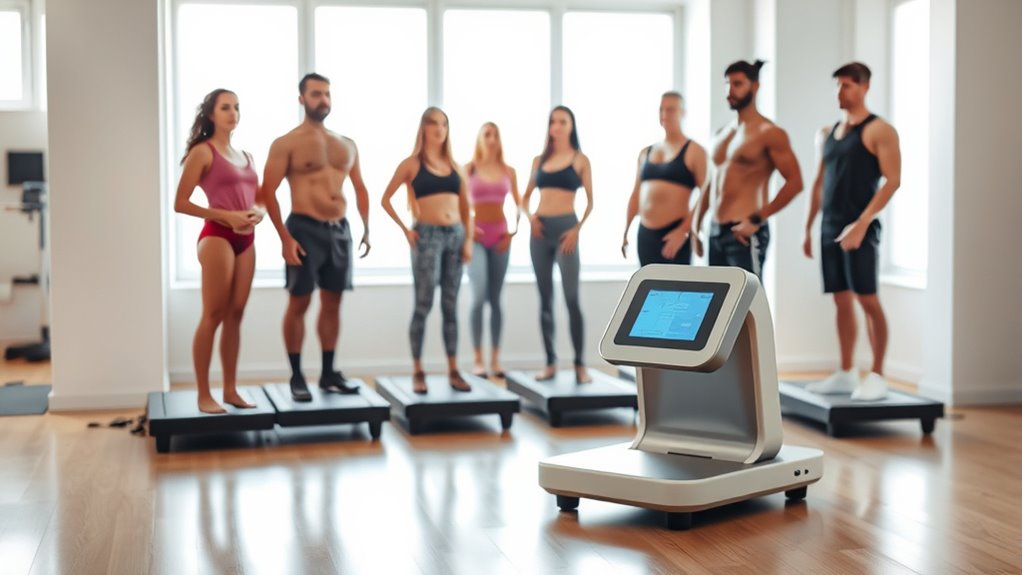
Tracking your body composition provides a clearer picture of your health than just monitoring weight alone. When you focus solely on the scale, you might miss important progress, such as gaining muscle or losing fat. Body composition analysis helps you see the real changes happening inside your body, giving you a more accurate understanding of your fitness journey. For example, you might notice that even if your weight stays the same, you’re gaining muscle while shedding fat. This distinction is vital because muscle is denser and healthier than fat, and it can boost your metabolism and overall strength.
By keeping an eye on your body composition, you can tailor your workouts and nutrition to optimize muscle gain and fat loss. If your goal is to build lean muscle, tracking these metrics helps you see whether your training is effective or if you need to make adjustments. Perhaps you’re lifting weights consistently but not seeing enough muscle growth, or maybe your fat loss has plateaued. With precise measurements, you can modify your calorie intake, workout intensity, or rest periods to keep progressing. This continuous feedback loop prevents you from relying solely on the scale, which often doesn’t tell the full story.
Moreover, understanding your body composition can boost your motivation and confidence. Instead of feeling discouraged by a stagnant number on the scale, you’ll see tangible improvements like increased muscle mass or decreased body fat percentage. These changes are more meaningful and sustainable over time. Tracking body composition also helps you identify early signs of overtraining or nutritional deficiencies. For instance, if you notice a decrease in muscle mass or an increase in fat percentage despite regular workouts, it might signal that you need to adjust your diet or recovery strategies. Additionally, utilizing advanced measurement techniques like bioelectrical impedance scales or DEXA scans can provide more accurate insights into your body’s composition than traditional methods.
There are several methods available to track your body composition, from simple skinfold calipers to advanced bioelectrical impedance scales or DEXA scans. While some methods vary in accuracy and cost, all provide valuable insights that can inform your fitness plan. Setting regular check-ins—weekly or monthly—allows you to monitor trends rather than fixating on short-term fluctuations. Over time, this approach reveals whether your efforts lead to healthier body composition, with more muscle gain and fat loss, rather than just weight loss alone. Ultimately, tracking body composition empowers you to make smarter, evidence-based decisions on your path to better health and fitness.

Escali Ultra Slim Body Composition Scale With Bioelectrical Impedance Analysis Technology, Calculates Body Fat Percentage, Body Water, Lean Muscle And Total Bone Mass
The Ultra Slim Body Composition Scale features a stylish round platform made from tempered safety glass; It's Ultra…
As an affiliate, we earn on qualifying purchases.
As an affiliate, we earn on qualifying purchases.
Frequently Asked Questions
How Often Should I Track My Body Composition?
You should track your body composition every 4 to 6 weeks for ideal intervals. This frequency allows you to monitor changes without getting overwhelmed by constant updates. By sticking to these intervals, you can accurately assess your progress, adjust your workouts or diet as needed, and stay motivated. Remember, consistency in tracking helps you see real results over time without obsessing over daily fluctuations.
What Foods Impact Body Composition Measurements?
Certain foods can impact your body composition measurements, especially when you’re aiming for muscle gain or fat loss. Protein-rich foods like lean meats, eggs, and dairy support muscle development, while sugary snacks and processed foods can increase fat retention. Eating balanced meals with healthy fats, complex carbs, and plenty of water helps you track progress accurately. Avoid heavy sodium foods that cause bloating, which can skew your body composition readings.
Can Body Composition Change Without Weight Loss?
Sure, you can see changes in your body composition without losing weight. As you focus on muscle gain and fat loss, your scale might stay the same, but your body becomes more toned and trim. Strengthening muscles and shedding fat can improve your overall shape and size, proving that body transformation isn’t solely about weight. So, stay consistent—your efforts in muscle gain and fat loss will show results beyond just the numbers.
Are There Any Risks With Advanced Measurement Methods?
Yes, advanced measurement methods can have risks, mainly related to measurement accuracy. If the device isn’t precise, you might get misleading results, which could affect your health decisions. Some methods, like DEXA scans or bioelectrical impedance, also involve minimal health risks, such as exposure to radiation or dehydration. Always guarantee you’re using reputable equipment and consult professionals to interpret results accurately, minimizing potential health risks.
How Does Hydration Affect Body Composition Readings?
Hydration fluctuations can profoundly impact your body composition readings, as water retention varies throughout the day. When you’re dehydrated, your readings might show a lower fat percentage, while excess water retention can make it seem higher. To get accurate results, guarantee consistent hydration levels, measure at the same time daily, and avoid heavy exercise or salty foods beforehand. Staying properly hydrated helps you track genuine changes over time.
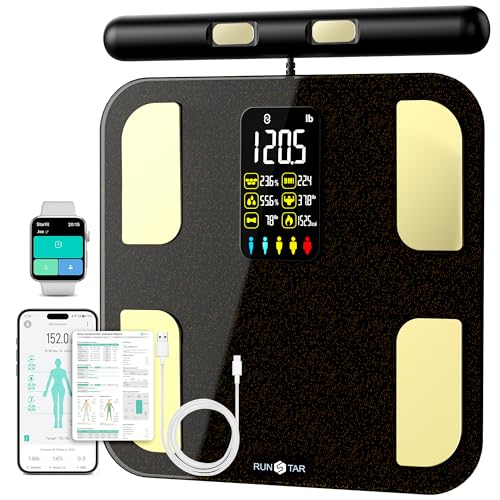
RunStar Scale for Body Weight, 8 Electrodes High Accurate Rechargeable Composition Analyzer with BMR Index Body Fat Digital Scale Composition Muscle & Fat Measurement Large Display 400lb
More Accurate Data: This eight-electrode scale for body weight acquires and analyzes real body composition data by directly…
As an affiliate, we earn on qualifying purchases.
As an affiliate, we earn on qualifying purchases.
Conclusion
By paying attention to your body composition, you’re gently shifting focus from the number on the scale to a fuller picture of your health and strength. Embrace these insights as subtle signals guiding your journey, rather than harsh judgments. Remember, it’s about progress, not perfection. With each mindful step, you’re nurturing a more balanced, vibrant version of yourself. Keep observing, adjusting, and celebrating the quiet victories—they all add up to a healthier, happier you.
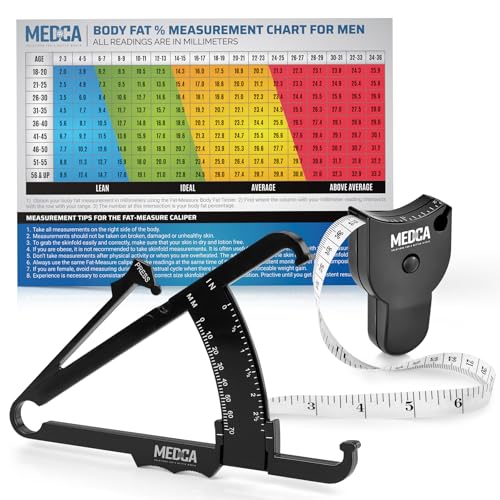
MEDca Body Fat Caliper and Measuring Tape for Body – Skinfold Calipers and Body Fat Tape Measure Tool for Accurately Measuring BMI Skin Fold Fitness and Weight-Loss, (Black)
NEW DESIGN! ACCURATELY DETERMINE BODY FAT PERCENTAGE: Manage your health wisely with the newly designed MEDca Body Fat…
As an affiliate, we earn on qualifying purchases.
As an affiliate, we earn on qualifying purchases.

RENPHO Smart Scale for Body Weight, FSA&HSA Eligible, Digital Bathroom Scale BMI Weighing Bluetooth Body Fat Scale, Body Composition Monitor Health Analyzer with Smartphone App, 400 lbs – Elis 1
Renpho smart app works in connection with fitness apps. Easy setup app works with Samsung Health, Fitbit and…
As an affiliate, we earn on qualifying purchases.
As an affiliate, we earn on qualifying purchases.