
In a circular economy, you start by designing products that minimize waste from day one. This means choosing durable, recyclable materials and creating modular designs that can be easily repaired or repurposed. You consider end-of-life options early, ensuring components can be disassembled and reused. By focusing on longevity and resource efficiency, you help reduce environmental impact and promote sustainability. Keep exploring to discover how integrating these principles transforms industries and benefits future generations.
Key Takeaways
- Incorporate waste reduction strategies during product design to prevent waste generation from the outset.
- Use modular and recyclable components to facilitate disassembly and material recovery at end-of-life.
- Prioritize durable, repairable, and upgradable materials to extend product lifespan and minimize disposal.
- Design products with end-of-life reuse and recycling in mind, creating a closed-loop system.
- Embed sustainability principles into the entire lifecycle, promoting responsible resource management from day one.
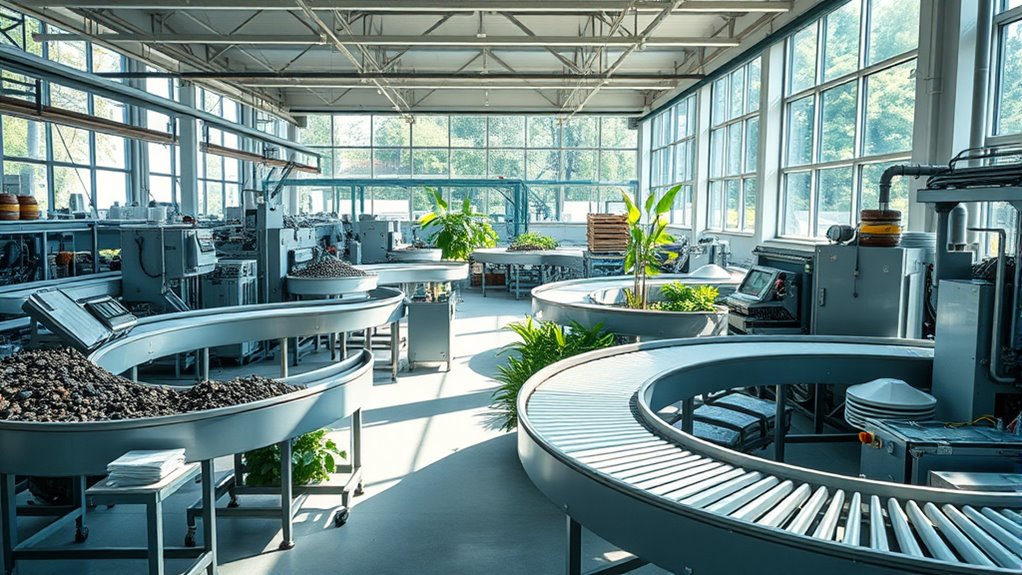
A circular economy is transforming how we think about resource use by emphasizing reuse, recycling, and sustainability. Instead of following the traditional linear model of take, make, dispose, you’re encouraged to rethink how products are designed and used. This shift means considering the entire product lifecycle from the very beginning, aiming to minimize waste at every stage. When you design with a circular mindset, you focus on creating products that can be easily repaired, repurposed, or recycled, extending their usability and reducing the need for constant resource extraction.
A circular economy redesigns products for reuse, recycling, and sustainability, minimizing waste and extending their lifespan from the start.
In this model, resource efficiency becomes a central goal. You’re not just looking at how to use materials but how to get the most value out of them over time. For example, choosing durable materials or designing for modularity allows products to be updated or repaired instead of discarded. This approach reduces raw material consumption, limits environmental impact, and saves costs in the long run. By designing out waste from day one, you ensure that products can seamlessly flow back into the system after their initial use, creating a closed-loop cycle. Incorporating design for disassembly principles helps facilitate this process and enhances recyclability.
Thinking about the product lifecycle early on means you’re actively considering end-of-life options when the product is still in development. Instead of designing products that are difficult or impossible to disassemble, you prioritize modular components that can be separated and recycled. This foresight cuts down on landfill waste and conserves resources, fostering a more sustainable economy. You also need to think about how consumers will interact with the product—making it easy to repair or upgrade encourages longer usage and keeps materials circulating within the economy.
By integrating these principles into your design process, you’re not just reducing waste—you’re creating a system where materials are reused continuously, and resources are used more efficiently. This approach also offers economic benefits, as it can lower manufacturing costs and reduce dependency on finite raw materials. Emphasizing the product lifecycle from start to finish helps you develop products that are both environmentally friendly and economically viable, aligning sustainability with business success.
Ultimately, designing out waste from day one is about shifting your perspective from short-term gains to long-term value. It encourages innovation and responsible resource management, making sustainability a fundamental part of product development. With this mindset, you can contribute to a more resilient, efficient economy where waste is minimized, and resources are preserved for future generations. Incorporating waste reduction strategies into your planning from the outset ensures a more sustainable and resource-conscious approach to manufacturing.
recyclable modular product components
As an affiliate, we earn on qualifying purchases.
As an affiliate, we earn on qualifying purchases.
Frequently Asked Questions
How Can Small Businesses Implement Circular Economy Principles Effectively?
To implement circular economy principles effectively, you should focus on optimizing your supply chain and resource management. By sourcing sustainable materials and designing products for reuse or recycling, you reduce waste from the start. Collaborate with suppliers to create closed-loop systems, and encourage customers to return products for refurbishment. This proactive approach minimizes waste, cuts costs, and builds a reputation for sustainability, helping your small business thrive in a greener economy.
What Are the Main Challenges in Transitioning to a Circular Economy?
Imagine maneuvering a vast, uncharted forest where hidden trails await; that’s like shifting to a circular economy. You face challenges like limited recycling infrastructure and fluctuating consumer awareness, which can slow your journey. These obstacles make it harder to keep resources in use longer and reduce waste. But with clear pathways and growing understanding, you can lead your business toward sustainable practices that benefit everyone and preserve the environment.
How Does Circular Design Impact Product Pricing and Profitability?
You might find that circular design can initially raise costs due to new materials and processes, but it ultimately benefits your profit margins. By focusing on cost management, you can reduce waste and resource expenses, making your products more competitive. Circular design encourages innovation, which can lead to premium pricing and loyal customers. Over time, the efficiencies gained improve profitability, proving that sustainable practices can positively influence your bottom line.
What Role Do Consumers Play in Promoting a Circular Economy?
You play a vital role in promoting a circular economy through your consumer awareness and sustainable habits. By choosing products made with eco-friendly materials, supporting companies committed to sustainability, and practicing reuse and recycling, you encourage brands to adopt circular design principles. Your demand for responsible products drives change, making it clear that sustainable habits are essential for reducing waste and fostering long-term environmental health.
Are There Successful Case Studies of Circular Economy Models Worldwide?
Think of the circular economy as the phoenix rising from the ashes; many successful models exist worldwide. You’ll find innovative partnerships between businesses and governments, supported by strong regulatory frameworks, driving change. For example, the Ellen MacArthur Foundation highlights companies like Philips and Patagonia, leading sustainable initiatives. These cases show how collaboration and policies can transform waste into resources, proving that a circular economy is not just ideal but achievable.
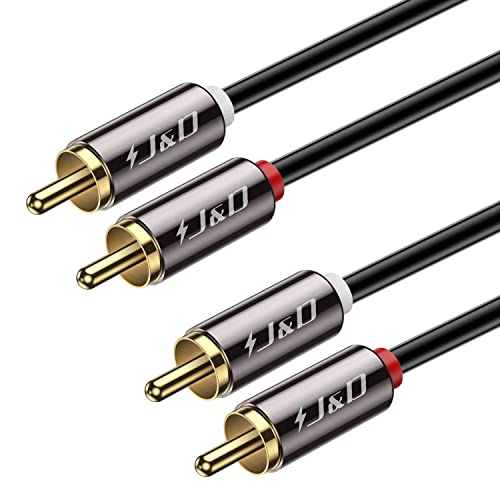
J&D 2 RCA M/M Stereo Audio Cable, Gold-Plated 2RCA Male to 2RCA Male Copper Shell Auxiliary Audio Cord for Home Theater HDTV Amplifiers Hi-Fi Systems Speakers, RCA Audio Cables, 6 Feet
- High-Quality Gold-Plated Connectors: 24K gold-plated for reliable signal transfer
- Shielded for Minimal Interference: Copper braided and foil shielding reduces EMI/RFI
- Dual RCA Male Connectors: Supports stereo audio between devices
As an affiliate, we earn on qualifying purchases.
As an affiliate, we earn on qualifying purchases.
Conclusion
By embracing the circular economy from day one, you hold the power to revolutionize our planet’s future. Every decision you make can prevent mountains of waste and save precious resources—it’s like wielding a superpower against environmental destruction. Don’t underestimate your influence; your actions ripple outward, creating a cleaner, greener world for generations to come. Together, we can turn the tide and make waste a thing of the past—because your choices truly shape our destiny.

Kaisi Professional Electronics Opening Pry Tool Repair Kit with Metal Spudger Non-Abrasive Nylon Spudgers and Anti-Static Tweezers for Cellphone iPhone Laptops Tablets and More, 20 Piece
- Complete 20-Piece Repair Kit: Tools for smartphones, tablets, laptops, and more
- Durable Stainless Steel Spudgers: Professional-grade for repeated use
- Variety of Pry Tools and Tweezers: Includes nylon, steel pry tools, and ESD tweezers
As an affiliate, we earn on qualifying purchases.
As an affiliate, we earn on qualifying purchases.

Honeycomb Packing Paper 12" x 230ft Roll, Expandable Bubble Cushioning Wrap for Packing & Moving, Packaging Supplies for Small Businesses, Eco Friendly Protective Shipping Material
- Ideal for Moving and Shipping: Provides cushioning for packed items
- Eco-Friendly Packing Material: Replaces bubble wrap with sustainable paper
- Organized and Clean Packaging: Creates neat packaging without tape or plastic
As an affiliate, we earn on qualifying purchases.
As an affiliate, we earn on qualifying purchases.