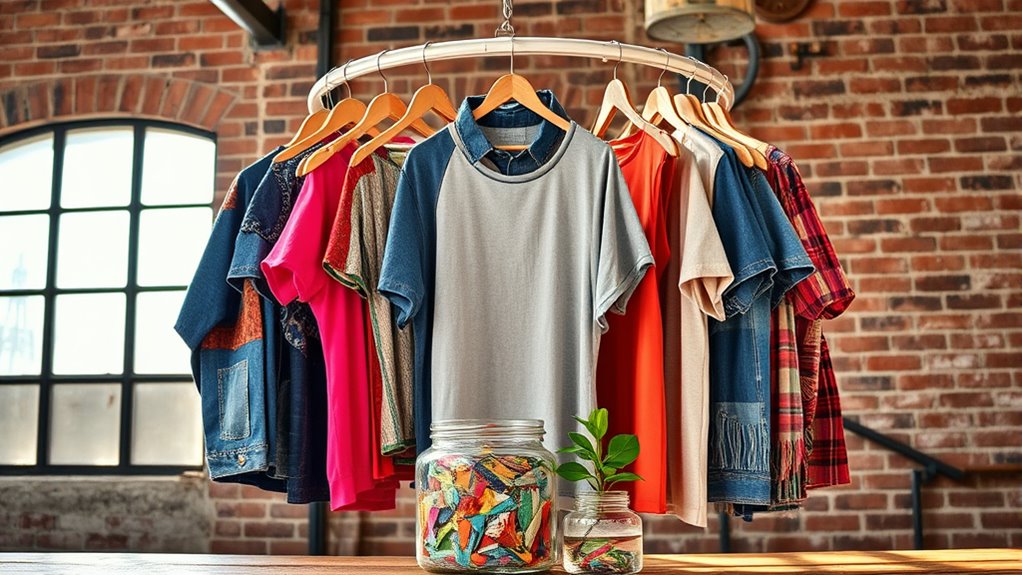

Recycling and upcycling are powerful ways to reduce waste in fashion by turning old garments or discarded textiles into new, valuable products. These practices minimize the need for virgin resources, cut down on landfill clutter, and lessen environmental harm. By choosing brands that prioritize sustainable materials and designing with recyclability in mind, you support a circular system that keeps materials in use longer. Continue exploring to discover more ways you can make a difference in sustainable fashion.

Get beauty and skincare favorites delivered free — and shop member deals
- Fast, free delivery on millions of items
- Access to Prime Big Deal Days deals on October 6–7
- Prime Video, Amazon Music and more included
Key Takeaways
- Recycling transforms old garments into new textiles, reducing textile waste and conserving resources.
- Upcycling creatively repurposes unwanted clothing into higher-value products, extending their lifespan.
- Circular fashion designs facilitate easy disassembly and recycling, minimizing waste at end-of-life.
- Using sustainable materials and closed-loop systems decreases environmental impact and reliance on virgin resources.
- Embracing recycling and upcycling fosters a sustainable fashion industry that reduces waste and promotes eco-friendly practices.
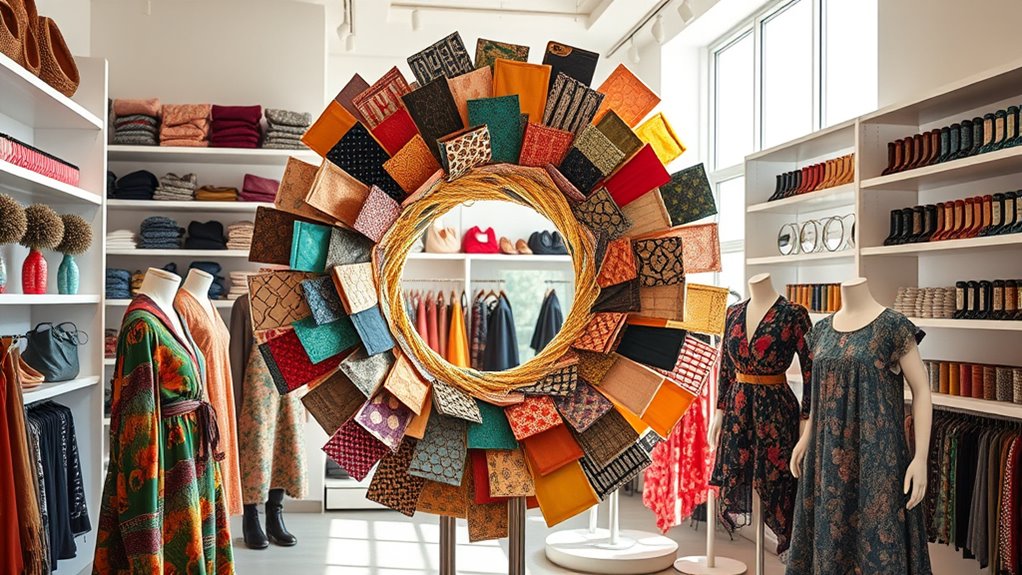
Have you ever wondered how the fashion industry can become more sustainable? It’s possible by embracing innovative practices like recycling and upcycling, which considerably cut down waste. These methods transform old garments or discarded textiles into new, high-quality products, helping reduce the environmental footprint of fashion. At the heart of this movement are sustainable materials, which are crafted from eco-friendly sources or designed to be reused repeatedly. Using sustainable materials means choosing fabrics like organic cotton, hemp, or recycled polyester that require less water, fewer chemicals, and less energy during production. By prioritizing these materials, you actively support a system that minimizes resource depletion and pollution.
Embrace recycling and sustainable materials to reduce fashion’s environmental impact effectively.
Implementing closed loop systems is essential for making fashion truly circular. In a closed loop system, the goal is to keep materials in use for as long as possible, then recover and regenerate them at the end of their lifecycle. Instead of the traditional linear approach of take-make-dispose, closed loop systems aim to create a continuous cycle where waste becomes input for new products. You can think of it as designing garments so they can be easily disassembled and reprocessed into new textiles. This approach not only reduces waste but also minimizes the need for virgin raw materials, which often have a higher environmental impact. When brands adopt closed loop systems, they’re committing to a future where fashion waste is no longer a problem but a resource. Additionally, adopting sustainable practices can help companies meet regulatory requirements and market demand for eco-friendly products.
In practice, this means that when you buy clothing produced with closed loop principles, you’re supporting a system that values durability, recyclability, and longevity. Many companies are now designing garments with modular components or using biodegradable textiles, making it easier to recycle or compost at the end of their life. Recycling and upcycling go hand in hand with these strategies, allowing you to give your clothes a second life rather than tossing them away. Upcycling, in particular, involves creatively transforming old or unwanted items into something new and often more valuable. This approach encourages you to see waste as an opportunity for innovation rather than trash. By choosing brands committed to using sustainable materials and closed loop systems, you’re actively participating in reducing waste and fostering a more responsible fashion industry.
In the end, shifting towards circular fashion isn’t just about trendy concepts; it’s about making conscious choices that impact the environment positively. Embracing recycling, upcycling, sustainable materials, and closed loop systems empowers you to be part of a movement that values sustainability and innovation. Every small step, from selecting eco-friendly fabrics to supporting brands with circular designs, helps create a future where fashion waste becomes a thing of the past.
As an affiliate, we earn on qualifying purchases.
Frequently Asked Questions
How Can Consumers Identify Genuinely Sustainable Fashion Brands?
You can identify genuinely sustainable fashion brands by checking their transparency. Look for brands that openly share their sourcing, manufacturing, and sustainability practices. Recognize eco labels and certifications that verify eco-friendly efforts. Research their commitments to circular fashion, recycling, and upcycling. A transparent brand with recognized eco labels shows genuine dedication to reducing waste and environmental impact, helping you make informed, eco-conscious choices when shopping.
What Are the Challenges in Scaling Circular Fashion Initiatives?
Think of scaling circular fashion as trying to build a bridge across choppy waters; technological barriers and supply chain complexities make it tough. You face challenges like integrating new recycling tech and coordinating multiple stakeholders. These hurdles slow down adoption and increase costs. Overcoming them requires innovation and collaboration, much like steering a stormy sea to reach a new shore. Without this, expanding circular practices remains a difficult journey.
How Does Circular Fashion Impact Traditional Textile Manufacturing Jobs?
You see that circular fashion impacts traditional textile manufacturing jobs by causing labor shifts and requiring skill adaptation. As companies adopt recycling and upcycling processes, some roles may decline, but new opportunities emerge in areas like material sorting, design innovation, and sustainable practices. Workers who adapt to these changes and acquire relevant skills can thrive in this evolving industry, ensuring a smoother progression toward more sustainable fashion production.
Are There Certifications for Circular and Sustainable Clothing?
You’ll love knowing there are certifications for circular and sustainable clothing, acting like a badge of honor for eco-conscious fashion. Certification standards and eco-labeling programs, such as GOTS or Fair Trade, verify brands’ commitments to sustainability. These labels are your compass, guiding you to products that meet strict environmental and social criteria, making your fashion choices a powerful act of caring for the planet and supporting ethical practices.
How Does Circular Fashion Influence Clothing Durability and Quality?
Circular fashion boosts clothing durability and quality by emphasizing fabric longevity and material resilience. When you choose circular fashion, you’re encouraging brands to design pieces that last longer, resist wear, and can be easily repaired or repurposed. This focus on high-quality, resilient materials means your clothes stay looking good and functional over time, reducing waste and promoting sustainability. Ultimately, circular fashion helps you invest in garments that are both eco-friendly and durable.
As an affiliate, we earn on qualifying purchases.
Conclusion
By embracing circular fashion, you actively participate in reducing waste and conserving resources. Recycling and upcycling aren’t just trends; they’re essential steps toward a sustainable future. When you choose to reuse materials and support eco-friendly brands, you help close the loop in the fashion cycle. It’s a powerful ripple effect—your small actions can inspire others to rethink how they consume. Together, you can make fashion more sustainable and less wasteful, shaping a better world for everyone.
As an affiliate, we earn on qualifying purchases.
As an affiliate, we earn on qualifying purchases.
Halloween Picks
halloween
As an affiliate, we earn on qualifying purchases.