To promote corporate wellness for your remote team, focus on supporting mental health and ergonomic comfort. Encourage open conversations about well-being, conduct regular check-ins, and provide access to mental health resources. Help your team set up ergonomic workspaces and promote physical activity. These strategies boost employee engagement, reduce stress, and create a healthier work environment. Continuing will reveal actionable steps to implement these practices effectively and foster a resilient remote workforce.
Key Takeaways
- Implement routine virtual check-ins to monitor and support employees’ mental health and emotional well-being.
- Provide access to mental health resources, professional support, and promote open discussions to destigmatize mental health issues.
- Educate employees on ergonomic workspace setup and encourage regular movement and breaks to enhance physical comfort.
- Organize virtual workshops on ergonomic practices and stretching exercises to improve physical and mental health.
- Foster a supportive culture that prioritizes well-being, work-life balance, and recognizes the importance of mental and physical health.

Have you ever wondered how to keep your remote team healthy, motivated, and engaged? It’s a common challenge in today’s work environment, where employees aren’t physically together but still need support and connection. One of the most essential aspects to focus on is mental health. When team members work from home, they can often feel isolated, overwhelmed, or anxious, especially without the immediate support of colleagues or supervisors. To combat this, you should foster an open environment where mental health is prioritized. Encourage regular check-ins, create opportunities for employees to share how they’re feeling, and promote work-life balance. Remind your team that their well-being is just as important as their productivity. Providing resources like access to mental health professionals or offering mental health days can make a significant difference.
Prioritize mental health with open communication, regular check-ins, and supportive resources to keep your remote team engaged and resilient.
Another key element that directly impacts mental health and overall productivity is ergonomic design. When your team works from home, their physical comfort influences their mental state and efficiency. Make it a priority to educate your employees on setting up an ergonomic workspace. Suggest investing in supportive chairs, adjustable desks, and proper lighting to reduce physical strain. When someone is uncomfortable or experiencing pain, it’s easy for stress levels to rise and focus to diminish. By encouraging ergonomic best practices, you help ensure your team maintains good posture, reduces fatigue, and minimizes discomfort. This, in turn, supports their mental well-being because they’re less likely to feel frustrated or distracted by physical issues. Additionally, integrating ergonomic principles into your policies can help create a healthier work environment.
You can also facilitate this by providing guidance or stipends for ergonomic equipment, showing that you care about their comfort. Additionally, consider organizing virtual workshops on ergonomic setup or stretching exercises they can do during breaks. These small efforts demonstrate that you’re invested in their physical health, which directly affects their mental state and overall engagement. Remember, a well-designed workspace isn’t just about aesthetics or productivity; it’s about creating an environment where your team feels comfortable, supported, and motivated to do their best.
Incorporating mental health initiatives and ergonomic design into your remote work policies isn’t just a trend; it’s a strategic move to foster a healthier, happier, and more resilient team. When your employees feel cared for physically and emotionally, they’re more likely to stay engaged, perform better, and remain committed to your organization. Prioritize their well-being, and you’ll see the positive effects ripple through every part of your business.

BestOffice | Ergonomic Office Chair | Mid-Back Swivel Desk Chair | Breathable Backrest & Lumbar Support | Adjustable Height | Sponge Seat | Rolling Wheels | Dark Black | for Adults & Women
BREATHABLE MESH BACK: 100% ventilated mesh back promotes airflow to keep you cool and comfortable during long hours…
As an affiliate, we earn on qualifying purchases.
As an affiliate, we earn on qualifying purchases.
Frequently Asked Questions
How Can Companies Measure the Success of Remote Wellness Programs?
You can measure the success of remote wellness programs by tracking employee participation rates and gathering feedback through surveys. Monitor engagement levels and look for improvements in employee well-being, productivity, and job satisfaction. Conduct regular program evaluations to identify what’s working and what needs adjustment. By analyzing participation data and feedback, you guarantee your wellness initiatives effectively support your remote team’s health and morale.
What Budget Is Typically Required for Implementing Remote Wellness Initiatives?
You should plan for a budget that varies based on your cost analysis and program customization needs. Typically, small companies might spend a few thousand dollars annually, while larger teams could allocate $10,000 or more. Consider expenses like digital platforms, wellness apps, and professional services. Tailor the program to your team’s unique needs, ensuring your budget aligns with the scope of activities and resources you want to provide for effective remote wellness initiatives.
How Do You Ensure Engagement From All Remote Team Members?
To guarantee engagement from all remote team members, you should focus on personalized wellness initiatives and virtual team building activities. Encourage participation by tailoring programs to individual preferences and schedules, making them relevant and appealing. Use interactive virtual events, challenges, and regular check-ins to foster connection and motivation. By creating a supportive environment that values each person’s well-being, you boost engagement and strengthen team cohesion.
What Legal Considerations Exist for Remote Employee Wellness Programs?
You need to guarantee your remote employee wellness programs comply with legal standards like data privacy laws and employment regulations. Always gather informed consent before collecting health data and keep it secure. Legal compliance also means respecting employee confidentiality and avoiding discrimination. Regularly review your policies to stay updated on legal requirements, and consult legal experts to prevent potential issues that could arise from wellness initiatives.
How Can Small Businesses Affordably Promote Wellness Remotely?
You can promote wellness affordably by implementing simple strategies like encouraging regular breaks, providing access to free online fitness classes, and sharing wellness resources. Use wellness incentives such as gift cards or extra time off to motivate participation without breaking the bank. These affordable strategies help boost remote employee health and morale, showing your commitment to their well-being while keeping costs manageable for your small business.

Veken 55 Inch Large Electric Standing Desk,Sit to Stand Up, Heights Adjustable, Work Home Office Computer Table for Study, Walking Pad, Writing, and Games, Wooden Desktop Desks, White
Electric Height Adjustment – Sit or Stand Any Time: Quiet motor (under 52 dB) with memory presets. Easily…
As an affiliate, we earn on qualifying purchases.
As an affiliate, we earn on qualifying purchases.
Conclusion
Just like a well-tuned orchestra, a healthy remote team harmonizes productivity and well-being. By prioritizing corporate wellness, you create an environment where each member feels valued and energized, much like a garden flourishing under careful care. Remember, when you nurture your team’s health, you’re not just building a workforce—you’re cultivating a resilient, vibrant community. Embrace wellness today, and watch your remote team thrive as effortlessly as a sunrise over a peaceful horizon.
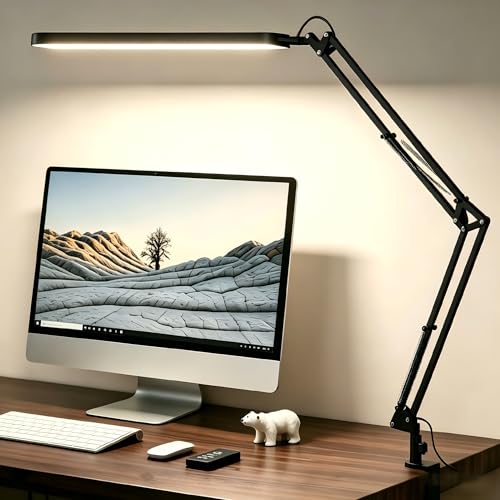
SKYLEO Desk Lamp for Home Office, Eye Comfortable LED Desk Light for Long Hours, Adjustable Swing Arm with Memory Function, Black
Comfortable Light for Long Working Hours – Designed for home office and study desks, this LED desk lamp…
As an affiliate, we earn on qualifying purchases.
As an affiliate, we earn on qualifying purchases.

Pressing RESET for the Remote Worker (Pressing RESET For Living Life Better & Stronger)
As an affiliate, we earn on qualifying purchases.
As an affiliate, we earn on qualifying purchases.