When adapting retreats for diverse cultural backgrounds, focus on understanding and respecting different customs, beliefs, and communication styles. Use clear, simple language, offer materials in multiple languages, and incorporate cultural elements like food or storytelling. Be mindful of sensitivities around personal space and traditions, and create flexible schedules for religious observances. By actively considering these aspects, you’ll foster an inclusive environment—continuing this approach will help you create meaningful, respectful experiences for all participants.

Get beauty and skincare favorites delivered free with Prime
- Fast, free delivery on millions of items
- Prime Video, Amazon Music and more included
- Member-only deals all year
Key Takeaways
- Conduct cultural assessments to understand participants’ customs, beliefs, and sensitivities before planning activities.
- Use clear, simple language and provide translated materials or interpreters to address language barriers.
- Incorporate cultural elements like traditional music, food, or storytelling to honor diverse backgrounds.
- Respect cultural sensitivities related to personal space, gender roles, and spiritual practices when designing activities.
- Train staff in cultural competency to foster an inclusive environment and encourage respectful dialogue.
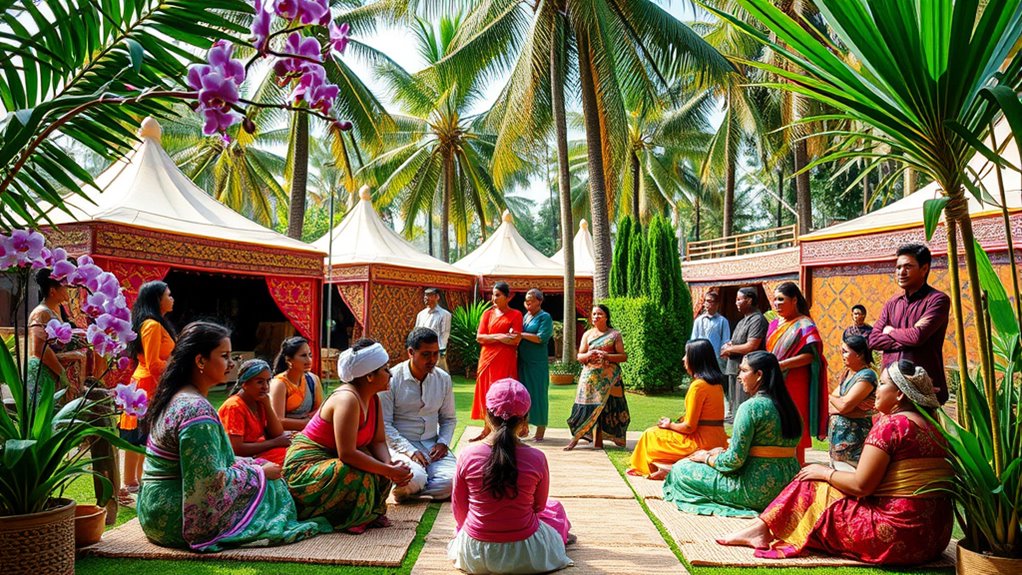
Have you ever wondered how to make retreats more inclusive for participants from diverse cultural backgrounds? Addressing this question requires you to be mindful of cultural sensitivities and language barriers that can affect engagement and comfort. When planning your retreat, it’s essential to recognize that different cultures have unique customs, beliefs, and communication styles. What feels respectful and appropriate in one culture might be uncomfortable or misunderstood in another. To create a welcoming environment, you need to actively educate yourself on these cultural nuances and incorporate practices that honor them. This might mean adjusting your language to be more inclusive, avoiding idioms or slang that could be confusing, or providing materials in multiple languages. Remember, language barriers are not just about translation but also about guaranteeing clarity and understanding. Using simple, straightforward language helps participants from different linguistic backgrounds follow along and participate fully. Consider hiring interpreters or providing translated resources to bridge communication gaps, making sure everyone feels valued and heard.
Beyond language, pay attention to cultural sensitivities that influence how participants perceive activities and interactions. For instance, some cultures may have specific taboos or traditional practices around personal space, gender roles, or spiritual expressions. Being aware of these differences enables you to design activities that respect each participant’s comfort level. It’s helpful to establish open lines of communication early on, inviting feedback about what feels appropriate and what might need adjustment. This shows respect for their backgrounds and encourages honest dialogue. You can also incorporate cultural elements into your retreat—such as traditional music, food, or storytelling—to foster inclusivity and demonstrate appreciation for diversity. Additionally, understanding the importance of cultural intelligence can significantly enhance your ability to adapt and create a truly inclusive experience.
Practical steps include conducting cultural competency training for staff and facilitators so they understand and respect different perspectives. Creating a flexible schedule that accommodates various cultural or religious observances is also crucial. For example, allowing time for prayer or fasting, if relevant, ensures participants don’t feel excluded or uncomfortable. Additionally, setting ground rules that promote respectful dialogue helps prevent misunderstandings and fosters a safe space for everyone. Ultimately, making your retreat accessible and inclusive requires ongoing effort and genuine curiosity about your participants’ backgrounds. When you approach it with sensitivity and openness, you’ll cultivate a more enriching experience for all, where everyone feels seen, respected, and empowered to participate fully.
As an affiliate, we earn on qualifying purchases.
Frequently Asked Questions
How Can Retreats Respect Local Customs Without Cultural Appropriation?
To respect local customs without cultural appropriation, you should prioritize cultural sensitivity and respectful engagement. Learn about local traditions and seek input from community members to guarantee your retreat honors their culture authentically. Avoid misusing symbols or practices, and always give credit where it’s due. By approaching with humility and openness, you foster genuine respect and create a meaningful experience that celebrates rather than appropriates cultural uniqueness.
What Are Common Language Barriers Faced During International Retreats?
Imagine trying to dance to a song you don’t understand—that’s what language barriers feel like during international retreats. You might face translation challenges that leave participants confused or misinterpret instructions. Slang misunderstandings can also cause awkward moments or miscommunication. These issues highlight the importance of clear, simple language and skilled interpreters to guarantee everyone is on the same page, creating a harmonious environment where all can thrive.
How to Ensure Inclusivity for Diverse Religious Beliefs?
You can guarantee inclusivity for diverse religious beliefs by promoting interfaith dialogue, encouraging open conversations about different practices, and respecting individual needs. Incorporate religious accommodations, like flexible scheduling for prayer times or dietary options, to make participants feel valued. Communicate clearly about the retreat’s approach to different faiths, fostering an environment of understanding and acceptance. This approach helps everyone feel respected and included, regardless of their religious background.
What Are Effective Ways to Adapt Activities for Different Cultural Sensitivities?
To effectively adapt activities for different cultural sensitivities, you should focus on cultural adaptation and activity customization. You can do this by researching participants’ backgrounds, consulting cultural experts, and involving community members in planning. Modify activities to respect cultural norms, avoid sensitive topics, and incorporate diverse traditions. This approach guarantees everyone feels comfortable and included, fostering a respectful environment where all participants can engage meaningfully without cultural misunderstandings.
How Can Organizers Gather Feedback on Cultural Appropriateness?
Oh, what a shocker—asking participants directly! You can conduct a cultural assessment early on and implement feedback mechanisms like anonymous surveys or focus groups. Encourage honest input without judgment, and listen carefully. This way, you’ll get authentic insights into what’s appropriate and respectful. Remember, the best feedback often comes from those who feel truly heard, making your retreat more inclusive and culturally sensitive.
cultural competency training for staff
As an affiliate, we earn on qualifying purchases.
As an affiliate, we earn on qualifying purchases.
Conclusion
By tailoring retreats to honor diverse cultural backgrounds, you create a tapestry of understanding and connection that resonates deeply. When you adapt your approach, you open the door to meaningful experiences that bridge gaps like a gentle river flowing between worlds. Embrace these differences, and watch your retreats become vibrant spaces where everyone feels seen, respected, and inspired to grow. In doing so, you’ll turn your event into a blooming garden of cultural harmony and shared transformation.
interpretation services for retreats
As an affiliate, we earn on qualifying purchases.
As an affiliate, we earn on qualifying purchases.
cultural sensitivity activity kits
As an affiliate, we earn on qualifying purchases.
As an affiliate, we earn on qualifying purchases.
Halloween Picks
halloween
As an affiliate, we earn on qualifying purchases.