The Default Mode Network (DMN) helps you maintain your sense of self through self-referential thinking and internal dialogue. When the DMN’s activity weakens—such as during deep meditation, psychedelics, or altered states—you experience ego dissolution, feeling less connected to your personal identity. Changes in neural connectivity cause this shift, highlighting that the sense of self isn’t fixed. To understand how this neural flexibility influences perception and consciousness, keep exploring what’s behind these fascinating brain dynamics.
Key Takeaways
- Ego dissolution occurs when DMN activity and connectivity weaken, disrupting self-referential thought processes.
- Reduced DMN function during altered states leads to a sense of unity or loss of personal boundaries.
- Neural plasticity allows the brain to reorganize networks after ego dissolution, supporting recovery of self-awareness.
- Decreased DMN activity allows other brain networks to become more dominant, shifting focus away from self-centered cognition.
- The transient nature of ego dissolution reflects dynamic changes in neural connectivity within the DMN and related networks.

The default mode network (DMN) is a critical brain system involved in self-referential thinking and mind-wandering. It becomes active when you’re not focused on external tasks, allowing your mind to drift, reflect, and engage in internal dialogue. This network is tightly linked through neural connectivity, which enables different brain regions to communicate seamlessly, maintaining your sense of self and continuity over time. When the DMN functions normally, it helps you construct your personal narrative and maintain a stable sense of identity. However, during consciousness alteration—such as during deep meditation, psychedelic experiences, or certain mental states—the activity and connectivity within the DMN can change markedly. These shifts often lead to a diminished sense of self, or what’s called ego dissolution, where your usual boundaries between self and environment dissolve.
During altered states of consciousness, the neural connectivity within the DMN can weaken, disrupting its typical pattern of activity. When this happens, your brain’s ability to generate self-referential thoughts diminishes, leading to a temporary breakdown of the usual ego structure. You might feel a sense of unity with your surroundings, a loss of personal boundaries, or a feeling that your usual self-awareness has expanded or dissolved altogether. This change in neural connectivity is central to understanding why these experiences feel so profound—they reveal that your sense of self is not fixed but deeply rooted in the functioning of the DMN. When the network’s activity diminishes or reorganizes, your perception of reality shifts, producing a state where the personal narrative you usually cling to temporarily fades away. Additionally, neuroplasticity can influence how these networks adapt and recover after altered states, highlighting the brain’s remarkable capacity for change. This adaptive ability underscores how the brain can reorganize its neural pathways to regain a sense of self after such experiences. Moreover, neuroplasticity allows the brain to rewire itself in response to these profound shifts, facilitating recovery and integration of the altered state.
This process illustrates how consciousness alteration affects the brain’s core networks. As the DMN’s activity decreases, other networks may become more dominant, allowing you to experience a different kind of awareness—one less centered on the self and more on collective or universal aspects of consciousness. The transient nature of these states underscores that ego dissolution is not a permanent loss but a temporary reconfiguration of neural connectivity. Understanding this interplay helps clarify how the brain’s architecture supports your sense of identity and how its modulation can lead to profound experiences of ego loss. These insights demonstrate that the ego is a flexible construct, rooted in neural pathways that can be altered, revealing the fluid boundaries of consciousness itself. Additionally, advancements in neuroimaging have shed light on how the brain’s neural connectivity underpins these altered states, emphasizing the dynamic nature of our neural networks. Recognizing the role of brain networks in these processes can further deepen our understanding of consciousness and self-awareness.

SereniBrain EEG Neurofeedback Headband for Meditation & Brainwave Monitoring, Real-Time Brain Activity Tracker with App, Train Focus, Relaxation & Sleep Preparation
- Real-Time Brainwave Monitoring: Tracks alpha, beta, theta waves in real time
- Guided Meditation & Brain Training: Includes app with guided exercises and feedback
- No Subscription Fees: Free access to app features and updates
As an affiliate, we earn on qualifying purchases.
As an affiliate, we earn on qualifying purchases.
Frequently Asked Questions
How Does the Default Mode Network Develop Over a Lifetime?
You might wonder how the brain’s network changes over time. The developmental trajectory involves neural maturation, where connections strengthen and refine. During childhood and adolescence, the Default Mode Network becomes more specialized, supporting self-awareness and introspection. As you age, these changes stabilize, allowing for more efficient functioning. Understanding this process helps explain how your brain adapts, supporting your evolving cognitive and emotional experiences throughout your lifetime.
Can Meditation Permanently Alter Default Mode Network Activity?
Did you know that regular meditation can change brain activity even after just a few weeks? You can potentially alter your default mode network activity permanently because of neural plasticity. Meditation effects promote lasting changes by strengthening pathways associated with focus and relaxation. So, if you keep practicing, you might find lasting benefits, including less mind-wandering and better emotional regulation, making meditation a powerful tool for brain health.
Are There Individual Differences in Susceptibility to Ego Dissolution?
You might find that your susceptibility to ego dissolution varies based on personality traits like openness and emotional stability. Neurochemical influences, such as serotonin and dopamine levels, also play a role in how easily you experience this state. Your unique brain chemistry and personality shape your response to altered states of consciousness, making some more prone to ego dissolution than others. This individual variability highlights how personal factors influence such profound experiences.
How Does the Default Mode Network Interact With Other Brain Networks?
Think of your brain’s networks as a busy city intersection, where signals constantly cross. The default mode network interacts with others like the executive and salience networks, coordinating activities like mind wandering and self-referential processing. When you’re not focused, it takes charge, but it also communicates with other networks to switch tasks smoothly. This dynamic interaction keeps your mind flexible, allowing for both reflection and action as needed.
What Are the Potential Therapeutic Applications of Ego Dissolution?
You might find that ego dissolution offers promising therapeutic applications, especially in psychedelic therapy for mental health treatment. It helps break down rigid thought patterns, reduce emotional barriers, and foster new perspectives. As you experience a diminished sense of self, you may gain insights into your behavior and trauma. This process can lead to lasting emotional breakthroughs, making ego dissolution a valuable tool in addressing conditions like depression, anxiety, and addiction.

The Varieties of Psychedelic Experience: The Classic Guide to the Effects of LSD on the Human Psyche
As an affiliate, we earn on qualifying purchases.
As an affiliate, we earn on qualifying purchases.
Conclusion
As you explore the depths of the default mode network, remember that dissolving your ego is like the myth of Icarus reaching toward the sun—both risky and illuminating. When you let go of self-identity, you open doors to profound unity and insight, much like the phoenix rising anew. Embrace this journey beyond the familiar, for in shedding your ego, you may discover the infinite within, echoing the timeless dance of chaos and order that shapes us all.
neuroplasticity brain training kit
As an affiliate, we earn on qualifying purchases.
As an affiliate, we earn on qualifying purchases.
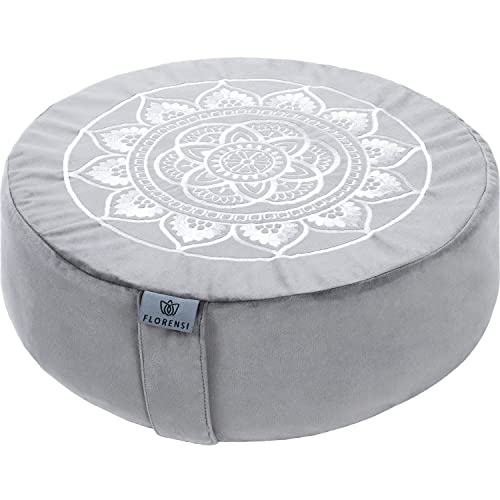
Florensi Meditation Cushion Grey Velvet Buckwheat Round Yoga Floor Seat
- Comfortable Meditation Seating: Stable and supportive for meditation and yoga
- Buckwheat Filled Cushion: Conforms to your seating for support
- Soft Velvet Cover: Stylish and comfortable surface for daily use
As an affiliate, we earn on qualifying purchases.
As an affiliate, we earn on qualifying purchases.