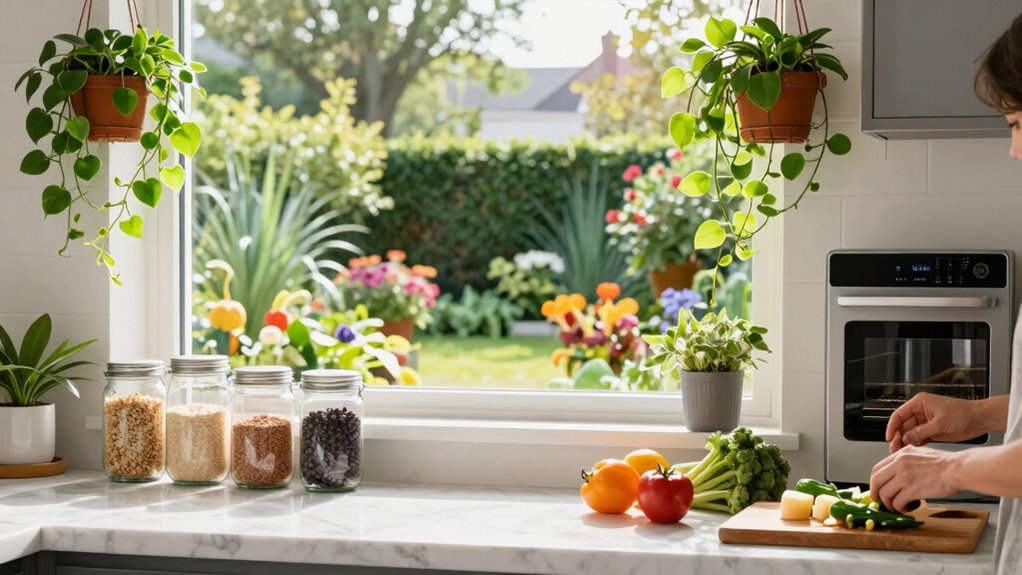

You’re seeing more overlap between healthy home habits and sustainable practices because simple actions like opening windows for natural ventilation, fixing leaks, and using water-saving fixtures benefit both your health and the environment. These habits reduce indoor pollutants, lower energy use, and conserve water, creating a healthier home and planet. As you focus on these small steps, you’ll discover how easy it is to make a lasting impact on your well-being and the environment around you.

Get beauty and skincare favorites delivered free with Prime
- Fast, free delivery on millions of items
- Prime Video, Amazon Music and more included
- Member-only deals all year
Key Takeaways
- Natural ventilation improves indoor air quality while reducing energy consumption, benefiting both health and the environment.
- Water-saving habits lower household water use and energy needed for heating and pumping, supporting sustainability.
- Using eco-friendly products minimizes indoor pollutants and reduces environmental impact simultaneously.
- Incorporating indoor plants naturally filters pollutants, enhancing air quality and promoting eco-friendly decor.
- Small sustainable actions, like fixing leaks and mindful ventilation, create long-term health and environmental benefits.

Many of the habits that keep your home healthy also benefit the planet, creating a powerful overlap that’s easy to incorporate into daily life. When you focus on improving indoor air quality, you’re not only making your environment safer and more comfortable but also reducing the need for energy-consuming air purifiers and ventilation systems. Regularly opening windows and using natural ventilation helps refresh indoor air and minimizes reliance on mechanical systems that consume electricity. This simple act lowers your energy footprint while enhancing the air you breathe, which is especially important if you or your family members have allergies or respiratory issues. Additionally, adopting energy-efficient habits can further reduce your overall environmental impact. Using natural ventilation effectively can also help prevent excess humidity, mold growth, and indoor pollution buildup, supporting overall health.
Opening windows and natural ventilation improve air quality and reduce energy use, creating a healthier, more sustainable home environment.
Water conservation is another key habit that links your home’s health to the planet’s well-being. Small changes like fixing leaks, installing low-flow fixtures, and being mindful of water use can considerably reduce your water consumption. When you conserve water at home, you’re not just saving a resource—you’re also reducing the energy required to pump, heat, and treat water. This reduces your household’s carbon footprint and helps preserve essential water supplies, especially in areas facing drought or water shortages. Plus, using water-saving appliances and habits can lower your utility bills, making it a win-win situation. Incorporating indoor air quality strategies such as proper ventilation can also help prevent the buildup of indoor pollutants, further supporting overall health.
Incorporating these habits into your daily routine is straightforward. For indoor air quality, you can choose natural cleaning products that emit fewer volatile organic compounds (VOCs) and avoid smoking indoors. Plants can also improve air quality naturally, filtering pollutants and adding a touch of nature inside your home. For water conservation, consider collecting rainwater for outdoor use or watering plants, and always opt for drought-tolerant landscaping. Simple actions like turning off the tap while brushing your teeth or taking shorter showers add up over time and make a real difference.
These habits also foster a sense of responsibility and mindfulness about how your actions impact the environment. By making conscious choices—like reducing water waste and improving indoor air—you’re contributing to a healthier planet and a healthier home. They require minimal effort but yield substantial benefits, proving that caring for your personal space and the environment can go hand-in-hand. Over time, these small, consistent changes become second nature, helping you live more sustainably while creating a safer, more comfortable living space for everyone.
Products Worth Considering

Levoit Core 400S-P Smart Air Purifier for Large Rooms

Coway Airmega 250 Air Purifier for Large Rooms

Levoit Vital 100S-P Air Purifier with Washable Pre-Filter
As an affiliate, we earn on qualifying purchases.
Frequently Asked Questions
How Do Indoor Plants Improve Both Health and the Environment?
Indoor plants improve your health and the environment by offering air purification, removing toxins and pollutants, and increasing oxygen levels. They also help reduce stress, creating a calming atmosphere that boosts your well-being. As you care for them, you foster a healthier home environment, which benefits the planet by reducing reliance on artificial air filters and decreasing energy use. Overall, plants make your space more sustainable and supportive of your mental and physical health.
What Sustainable Materials Are Best for Maintaining a Healthy Home?
Ever wondered how to keep your home healthy and eco-friendly? Opt for sustainable materials like eco-friendly insulation and non-toxic paints. These choices reduce chemical exposure and support environmental conservation. Eco-friendly insulation keeps your home warm without harmful chemicals, while non-toxic paints improve indoor air quality. Using these sustainable materials makes your living space safer and greener, aligning your habits with a healthier planet. Isn’t that a win-win?
How Can Reducing Chemical Cleaners Benefit Both Personal and Planetary Health?
Reducing chemical cleaners benefits your personal wellness by lowering exposure to harmful toxins that can cause respiratory issues, allergies, and skin irritations. It also supports planetary health by decreasing chemical runoff into water systems and reducing pollution. Chemical reduction encourages you to choose natural, eco-friendly cleaning options, which are safer for your family and help protect the environment. Embracing these habits promotes a healthier home and a more sustainable planet.
What Are the Long-Term Financial Benefits of Eco-Friendly Home Habits?
Have you considered how your eco-friendly habits can boost your wallet long-term? By reducing energy and water waste, you’ll see significant financial savings on utility bills. Switching to sustainable products can lower maintenance costs and extend appliance lifespan, providing better investment returns. Over time, these small lifestyle changes add up, making your home more economical and environmentally friendly—saving you money now and into the future.
How Does Energy Conservation Directly Impact Indoor Air Quality?
Energy conservation improves indoor air quality by reducing the need for extensive heating, cooling, and ventilation, which can circulate pollutants. When you focus on energy efficiency, you minimize gaps and leaks in your home’s insulation, preventing drafts and airborne contaminants from entering. This leads to cleaner indoor air, fewer allergens, and lower humidity levels, creating a healthier environment. Your efforts not only save energy but also promote better indoor air quality for your family.
Conclusion
So, as you scrub your eco-friendly kitchen counters or choose that organic mattress, remember—you’re not just saving the planet; you’re subtly transforming your home into a health sanctuary. Ironically, what seems like small, individual habits can have a massive ripple effect. In trying to be “healthy,” you’re actually nurturing a stronger, more resilient home—and a planet that’s healthier just by doing what you already love. Who knew that tiny choices could make such a big difference?